
Introduction
The bell rang just before sunset, and the air immediately changed. It wasn’t just a sound, it was a smell, a tingling sensation in the back of your throat that only comes from Sichuan peppercorns sizzling in oil. That smell, that sound, means authentic Mapo Tofu is coming, and everything else can wait. Ethan, bless his pragmatic heart, always says, “Dinner is served promptly at six,” but when this dish is at the center of the table, deadlines melt away like silken tofu disappearing into a rich, complex sauce.
For years, I chased that specific memory, that perfect balance of heat and savoriness. The kids, Adams and Jana, used to dare each other to see who could handle the “numbing spice,” the famous málà flavor that defines Szechuan cooking and this amazing Sichuan tofu dish. Finding the best Mapo Tofu recipe wasn’t just about finding ingredients, it was about capturing that feeling of adventurous comfort. We tried several versions, from overly simple ones to impossibly complex ones, but finally, I cracked the code to making restaurant-style Mapo Tofu right here at home, using humble, whole ingredients. This recipe the one I’m sharing today is the one that stops conversation and starts a deeply satisfying, full-on culinary experience. If you’ve ever wondered how to make authentic Mapo Tofu, you’ve found your answer. This is the easy Mapo Tofu at home recipe that works every single time.
Why You’ll Love This Mapo Tofu
This isn’t just another weeknight meal, it’s a revelation wrapped in fire and passion. The first time Ethan tasted this finished version, he actually paused, chopsticks held mid-air, and just whispered, “Wow.” And trust me, getting a ‘wow’ out of the Wallace clan on a Tuesday says a lot. This particular preparation is incredibly deeply flavored, highlighting the unique interplay between fermented bean paste and the star of the show, the Sichuan peppercorn.
- The Authentic Flavor Profile: Unlike some Westernized versions, this recipe doesn’t shy away from the hallmark of Sichuan cuisine, the numbing and fragrant ‘málà’ sensation. We use premium Pixian doubanjiang Mapo Tofu, the essential fermented chili bean paste that provides the savory, umami backbone. This commitment to the right ingredients is what transforms this dish into an authentic Chinese recipe.
- Speed and Simplicity: Despite its deeply complex flavor, this spicy tofu recipe is surprisingly fast. We’re talking 30 minutes, tops, from cutting board to table. It’s the perfect answer for a busy weeknight when you crave maximum flavor with minimal fuss.
- The Texture Contrast: The magic of Mapo Tofu lies in the contrast between the firm, toothsome texture of the optional ground pork tofu (or mushrooms if you go vegetarian) and the incredibly delicate, melt-in-your-mouth quality of the silken tofu recipe. Learning how to cook silken tofu without breaking it is a kitchen skill worth mastering, and I’ll walk you through it gently.
- Highly Customizable: While we prefer the full-throttle heat, you have total control over the Mapo Tofu spice level adjustment. I offer easy tips below for cooling it down for younger palates or cranking up the heat for the purists. This versatility makes it a fantastic Asian tofu recipe for almost every table.
- Embracing Connection, Not Perfection: Just like all the recipes in ‘Stories from the Skillet,’ the goal here isn’t to slave over a professional wok, but to share incredibly satisfying food that creates fond memories. This ground pork tofu creation is pure, modern comfort food, designed for sharing and savoring.
The synergy of the tender tofu, the savory mince, the heat from the chili oil, and that distinctive zing of the numbing mouth sensation cooking makes this the best Mapo Tofu recipe you’ll ever bookmark.
Ingredients for Mapo Tofu
The secret to depth of flavor in this wonderful dish, particularly any great Sichuan dish, rests entirely on two key ingredients: high-quality fermented bean paste (Doubanjiang) and the fresh, fragrant Sichuan peppercorn. Don’t skip these, they are non-negotiable for authenticity.
- The Tofu: One 14-ounce package of silken tofu (or soft tofu), drained and cut into 3/4-inch cubes. Keep the cubes sizable as we want them to stand up to the vigorous stirring.
- The Spice Base (The Soul): 2–3 tablespoons of Doubanjiang recipe, preferably Pixian broad bean paste (This provides the umami, salt, and heat). 1 teaspoon of ground Sichuan peppercorns (freshly ground is essential for maximum fragrance and numbing quality).
- The Aromatics: 2 tablespoons of vegetable oil or lard (for high-heat cooking). 3 cloves garlic, minced. 1 tablespoon fresh ginger, minced. 2 scallions, white and green parts separated and chopped.
- The Meat (Optional): 4 ounces of ground pork tofu (or substitute with minced mushrooms for a vegetarian Mapo Tofu recipe).
- The Sauce: 1 cup chicken broth or water. 1 tablespoon soy sauce. 1 teaspoon sugar. 1 teaspoon dark soy sauce (for color).
- Thickening Agent: 1 tablespoon cornstarch mixed with 2 tablespoons cold water (cornstarch slurry).
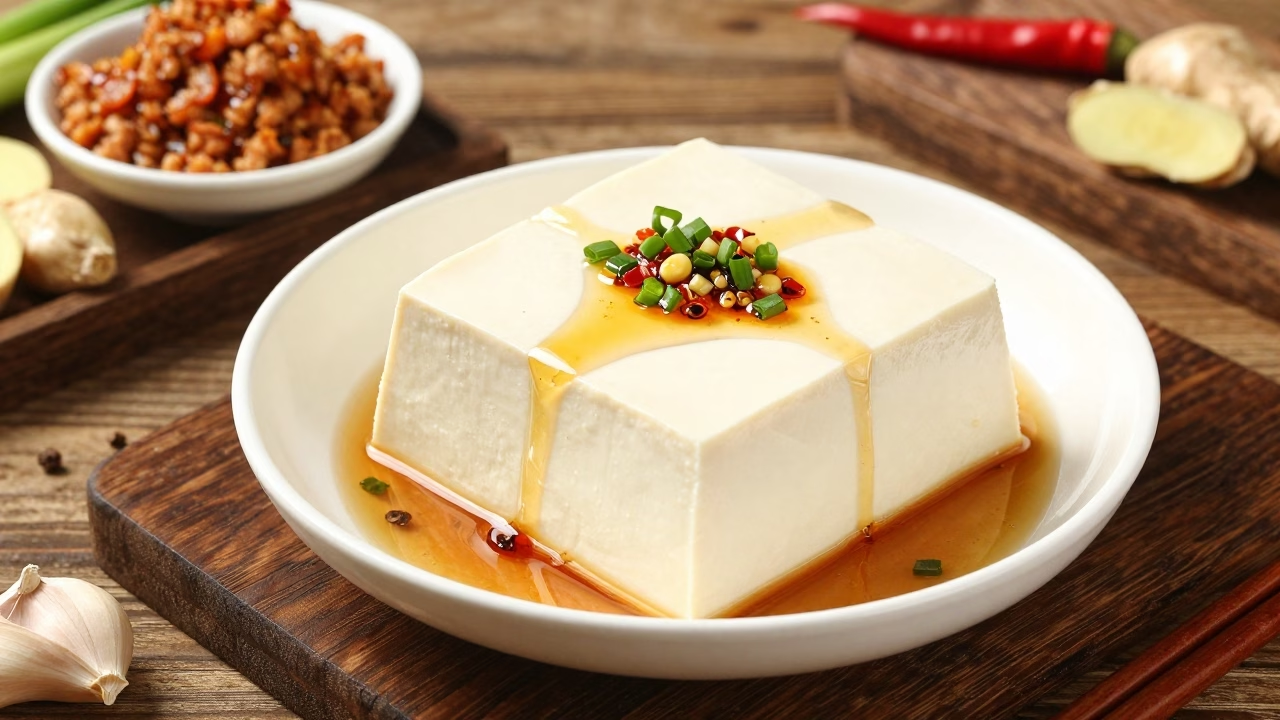
- Finishing Touches: 1 teaspoon sesame oil. 1 tablespoon chili oil recipe (Lao Gan Ma is my favorite) for surface sheen and extra flavor. Reserved chopped green scallions for garnish.
How to Make Mapo Tofu
We are embracing the traditional Asian cooking techniques of stir-fry, focusing on high heat and fast movement. This is the fun part, the moment the kitchen transitions into a vibrant, fragrant culinary studio.
Step-by-Step Instructions
- Slightly Par-Cook the Tofu (The Cindy Tip): Gently place the cubed silken tofu into a bowl of very hot (but not boiling) water for about five minutes. This warms the tofu through which helps it retain its shape better during stirring and keeps the dish hot longer. Drain it very carefully and set aside.
- Wok Preparation: Place your wok cooking pan over high heat. Add the oil. Once the oil shimmers, add the ground pork tofu (or the minced mushrooms). Break up the meat and cook until it is no longer pink and beginning to crisp, about four minutes. Remove the meat with a slotted spoon, leaving the flavorful rendered oil behind.
- Build the Flavor Base: Reduce the heat slightly to medium-high. Add the Doubanjiang. Stir-fry for about 30 seconds until the oil turns a deep, fiery red and the fragrance releases. This oil blooming process is essential for creating the rich, deep color and flavor of the spicy Mapo Tofu sauce.
- Aromatics In: Add the minced ginger and garlic, along with the white parts of the scallions. Stir-fry for another 30 seconds until very fragrant. You should be smelling the savory intensity of the fermented ingredients now, a truly wonderful aroma.
- Deglaze and Sauce Up: Pour in the chicken broth, soy sauce, dark soy sauce, and sugar. Return the cooked meat back into the wok. Bring the mixture to a gentle boil, scraping up any browned bits from the bottom of the wok.
- Introduce the Tofu: Gently slide the warmed tofu cubes into the simmering sauce. Reduce the heat immediately to maintain a gentle simmer. Do not stir violently. Instead, gently nudge the mixture with the back of a large spoon or a spatula, or simply shake the wok carefully so the sauce coats the tofu without breaking it. Simmer for five minutes, allowing the tofu to fully absorb the authentic Sichuan Mapo Tofu flavor.
- Thicken and Finish: Stir the cornstarch slurry once more, then slowly stream it into the simmering sauce while gently shaking the wok. The sauce should thicken to a luxurious, coating consistency almost immediately.
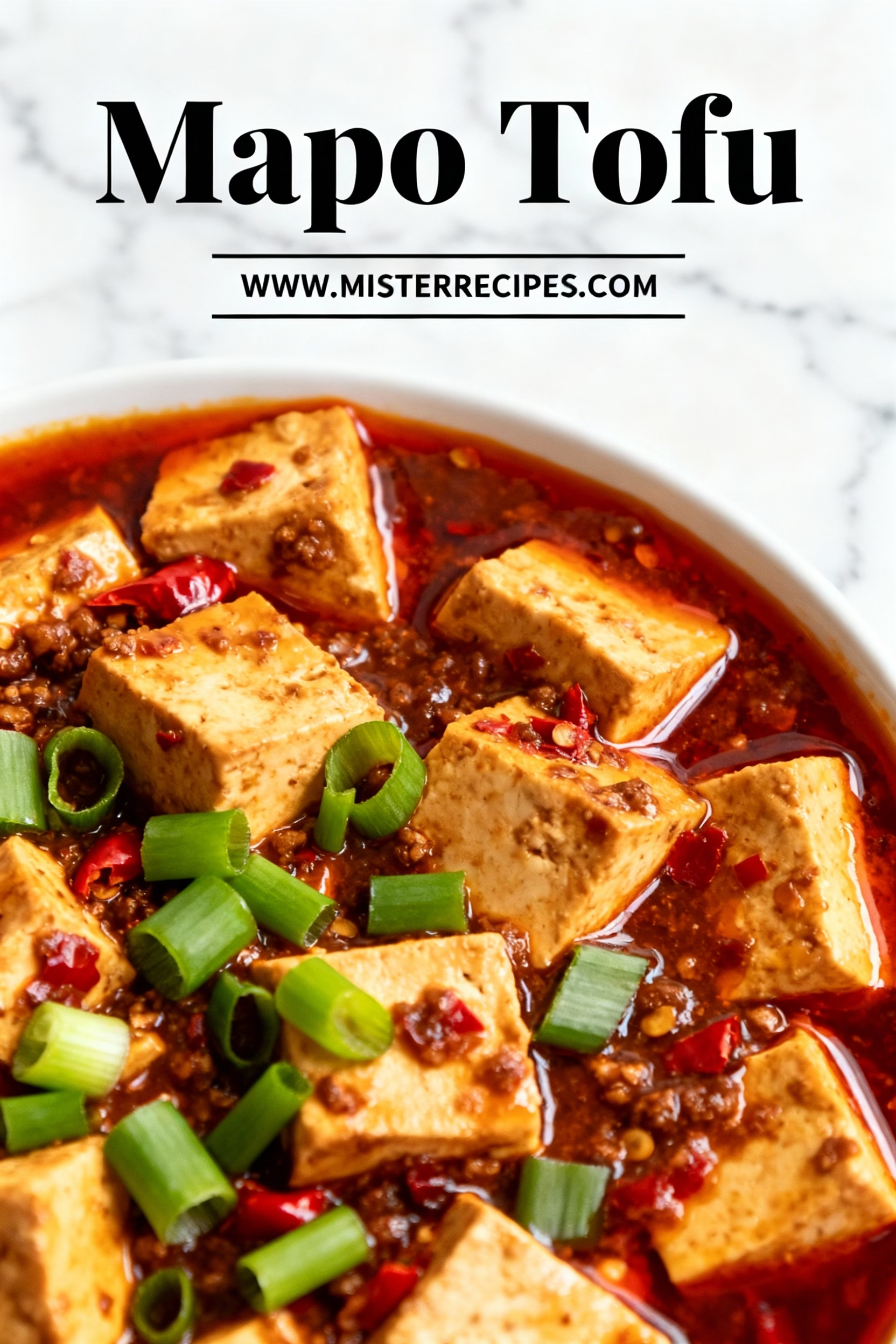
- Seasoning the Heat: Turn off the heat. Stir in the ground Sichuan peppercorn powder and the sesame oil. Ladle the finished Mapo Tofu with Sichuan peppercorns into a deep serving bowl, drizzle with chili oil for extra vibrancy, and garnish generously with the remaining chopped green scallions. Serve immediately over steamed white rice.
Pro Tips & Variations
The beauty of the home kitchen is that we can dial in the flavors precisely to our liking. This section ensures everyone at the table finds their perfect expression of this incredible Sichuan dish.
- Tip 1: Grinding Peppercorns is Key: For the ultimate numbing spice recipe, you must use freshly ground peppercorns. Buy whole Sichuan peppercorns, toast them lightly in a dry pan until fragrant (about 60 seconds), then grind them in a spice grinder or a mortar and pestle just before adding them to the dish. This ensures the maximum málà flavor profile.
- Tip 2: Choosing Your Tofu: While traditional recipes might call for medium-soft tofu, I prefer silken tofu cooking here for that characteristic velvet texture that contrasts so beautifully with the sauce. Remember the pre-warming step to minimize breakage. For less fragile results, use medium-firm tofu, though you sacrifice some of that classic melt-in-your-mouth feel.
- Variation: Mapo Tofu Without Meat (Vegan Mapo Tofu): To create a delicious vegan Mapo Tofu recipe, simply replace the ground pork with an equal amount of finely minced shiitake mushrooms or cremini mushrooms. Sauté the mushrooms until they are well browned before adding the Doubanjiang. You will need to use vegetable broth and ensure your Doubanjiang is vegetarian-friendly (some contain additives, so check the label). This gives you a wonderfully savory, umami-rich tofu stir fry.
- Variation: Japanese vs. Sichuan Style: If you are familiar with the sweeter, less spicy version found in many Japanese restaurants (often labeled Mapo Tofu Mabo Dofu), you can easily adjust this. Simply reduce the amount of Doubanjiang used by half and increase the amount of sugar in the sauce from 1 teaspoon to 1 tablespoon. But I encourage you to try the full authentic Mapo Tofu heat first.
- Spice Level Adjustment: For milder palates, use just 1.5 tablespoons of Doubanjiang and reserve the ground Sichuan peppercorns for the individual serving bowl. For those seeking absolute fire, add a touch of extra fermented black beans Mapo Tofu into the wok during the aromatic stage, and increase the amount of fresh chili oil drizzled at the end.
Mapo Tofu Serving Suggestions
This dish is complete, an orchestra of texture and heat, but a great authentic Chinese recipe is always complimented perfectly by its supporting cast. When Ethan and I serve this for a weeknight dinner, we often keep it simple, letting the spicy tofu sauce shine.
- Steamed White Rice: Non-negotiable. The rich, thick sauce is begging to be mixed into a heap of warm, fluffy white rice. It acts as the perfect neutral canvas to balance the intense numbing sensation tofu.
- Simple Stir-Fried Greens: A lightly blanched or quickly stir-fried green vegetable, like baby bok choy or Chinese broccoli (Gai Lan), tossed with a hint of garlic and salt provides a fresh, cooling contrast to the richness and heat of the Mapo Tofu.
- Clear Egg Drop Soup: A simple, palate-cleansing soup is wonderful alongside any intense Sichuan cuisine. A light egg drop or sizzling rice soup offers a perfect break between spicy bites.
- A Side of Gratitude: Often, the best pairing for a deeply satisfying meal is simply slowness. We sometimes rush through dinner, but a dish of this complexity demands a moment of silence, a breath taken to appreciate the powerful, transformative nature of food.
Mapo Tofu Storage & Reheating
Because the flavors in Mapo Tofu actually deepen and mature overnight, leftovers are a serious treat. I often make a double batch for this reason alone.
- Refrigeration: Store leftover Mapo Tofu recipe with ground pork in an airtight container in the refrigerator for up to 3 days. The sauce tends to thicken slightly upon cooling.
- Freezing: I do not recommend freezing this dish. The silken tofu has a very high water content and will change texture when frozen and thawed, becoming porous and rubbery. It’s best enjoyed fresh or from the refrigerator.
- Reheating Method: The best way to reheat is on the stovetop. Place the leftovers in a small saucepan or wok over medium-low heat. Stir gently. If the sauce is too thick, add a splash (1–2 tablespoons) of water or broth to loosen it up. Avoid high heat during reheating to prevent the tofu from breaking apart.
FAQ about Mapo Tofu
We receive a lot of questions about sourcing ingredients and handling the famous spice. Here are answers to some common inquiries:
What is the difference between authentic Mapo Tofu and the common restaurant version?
The main difference lies in the aggressive use of high-quality Doubanjiang recipe and the generous addition of freshly ground Sichuan peppercorn. Authentic versions aim for the powerful málà (numbing and spicy) sensation that characterizes restaurant style Mapo Tofu, whereas many American restaurant takes often significantly reduce the peppercorn count and increase the sweetness for broader appeal.
Where can I find Pixian Doubanjiang?
Pixian Doubanjiang is the gold standard for authentic Sichuan Mapo Tofu. You can generally find it at Asian grocery stores, especially those specializing in Chinese ingredients. Look specifically for the brand “Pixian” (郫县豆瓣酱). Failing that, high-quality online retailers often carry this essential fermented ingredient.
Can I use firm or extra-firm tofu instead of silken tofu?
Yes, you absolutely can use a firmer tofu, especially if you are concerned about the cubes holding their shape. However, using firm tofu fundamentally changes the textural experience of Mapo Tofu numbing spice. The traditional preparation relies on the fragile, creamy texture of soft or silken tofu to contrast the sauce, making it the preferred choice for this spicy tofu recipe.
What if I can’t find Sichuan peppercorns?
If you cannot find Sichuan peppercorns, you will miss out on the signature numbing quality, which is crucial to the dish. However, you can still make a very delicious spicy tofu with meat dish. Use a blend of black pepper and white pepper, along with a bit more chili oil, to add heat and fragrance, but be aware it will not possess the unique numbing spice tofu characteristic.
Final Thoughts
There is a quiet, powerful grace in the kitchen routine. It’s in the methodical chopping, the patient simmer, the way the aroma of hot oil and spices fills the house, signaling warmth and togetherness. This Mapo Tofu recipe is a reminder that the best meals aren’t necessarily the fanciest, but the ones that speak a language of intense flavor and deep comfort. It carries within it the history of a remarkable cuisine, yet it adapts perfectly to our modern table.
Food is memory and connection, a small, tangible way we create rituals for our loved ones. I hope you find as much joy and powerful flavor in creating this dish as we do every time Ethan asks for ‘the fire tofu’ again. Don’t forget to follow me on Instagram for more ‘Stories from the Skillet’ and please leave your questions and comments below. Your successes in the kitchen are the most rewarding part of this journey. Save this recipe and nourish your family tonight.
Authentic Mapo Tofu
Ingredients
Equipment
Method
- Gently place the cubed silken tofu into a bowl of very hot (but not boiling) water for about five minutes. This warms the tofu through which helps it retain its shape better during stirring and keeps the dish hot longer. Drain it very carefully and set aside.
- Place your wok over high heat. Add the oil. Once the oil shimmers, add the ground pork. Break up the meat and cook until it is no longer pink and beginning to crisp, about four minutes. Remove the meat with a slotted spoon, leaving the flavorful rendered oil behind.
- Reduce the heat slightly to medium-high. Add the Doubanjiang. Stir-fry for about 30 seconds until the oil turns a deep, fiery red and the fragrance releases. This oil blooming process is essential for creating the rich, deep color and flavor of the spicy Mapo Tofu sauce.
- Add the minced ginger and garlic, along with the white parts of the scallions. Stir-fry for another 30 seconds until very fragrant. You should be smelling the savory intensity of the fermented ingredients now, a truly wonderful aroma.
- Pour in the chicken broth, soy sauce, dark soy sauce, and sugar. Return the cooked meat back into the wok. Bring the mixture to a gentle boil, scraping up any browned bits from the bottom of the wok.
- Gently slide the warmed tofu cubes into the simmering sauce. Reduce the heat immediately to maintain a gentle simmer. Do not stir violently. Instead, gently nudge the mixture with the back of a large spoon or a spatula, or simply shake the wok carefully so the sauce coats the tofu without breaking it. Simmer for five minutes, allowing the tofu to fully absorb the authentic Sichuan Mapo Tofu flavor.
- Stir the cornstarch slurry once more, then slowly stream it into the simmering sauce while gently shaking the wok. The sauce should thicken to a luxurious, coating consistency almost immediately.
- Turn off the heat. Stir in the ground Sichuan peppercorn powder and the sesame oil. Ladle the finished Mapo Tofu with Sichuan peppercorns into a deep serving bowl, drizzle with chili oil for extra vibrancy, and garnish generously with the remaining chopped green scallions. Serve immediately over steamed white rice.
Nutrition
Notes
- For the ultimate numbing spice recipe, you must use freshly ground peppercorns. Buy whole Sichuan peppercorns, toast them lightly in a dry pan until fragrant (about 60 seconds), then grind them in a spice grinder or a mortar and pestle just before adding them to the dish.
- For a vegan Mapo Tofu recipe, simply replace the ground pork with an equal amount of finely minced shiitake mushrooms or cremini mushrooms. Sauté the mushrooms until they are well browned before adding the Doubanjiang.
- Adjust the spice level by using less Doubanjiang (1.5 tablespoons) for milder palates or increasing the amount of fresh chili oil drizzled at the end for more heat.