
Introduction: The Emotional Language of Slow Simmered Sauce
Do you ever notice how the simplest Sunday meals embed themselves the deepest in memory? For me, the aroma of a developing tomato sauce is the purest form of coming home. It’s the smell of security, of a day intentionally slowed down, of the kitchen becoming the beating heart of the house. I was making this particular dish, Sausage Ragu with Pappardelle, last Sunday, and Ethan came wandering in, not for a snack, but just to breathe it in. He just stood there, leaning against the counter, and whispered, “That smell, Cindy, that’s love.”
It struck me then, that while this recipe for pappardelle with sausage ragu tastes like it’s been simmering all day, it’s actually my quick and deeply satisfying weeknight cheat. It delivers all the rustic, comforting flavor of an authentic Italian sausage ragu recipe without demanding six hours of attention. This recipe is an adaptation of a Tuscan style method, focusing on developing rich flavor quickly by using quality pork and fennel sausage, slow simmering it in red wine, and letting the wide, silky ribbons of pappardelle pasta catch every drop of that luxurious, hearty sauce. It’s the ultimate comfort food pasta, perfect for when you need connection fast, and it’s become one of our family’s favorite Sunday dinner sausage ragu pasta recipes. It feels so good to give my kids, Adams and Jana, a meal this profoundly satisfying, proving that connection doesn’t require culinary perfection, just intention.
Why You’ll Love This Sausage Ragu with Pappardelle
The beauty of a fantastic Italian sausage ragu lies in its duality. It’s elegant enough for guests but simple enough for those panicked Tuesday evenings. This recipe is specifically engineered for maximum return on minimal effort, leveraging the inherent flavor complexity of Italian sausage pasta to build depth quickly without the need for excessive chopping or lengthy slow cooking.
- It’s Rich, Not Heavy: While it’s a hearty Italian ragu, we balance the richness of the sausage with bright, acidic tomatoes and a splash of quality red wine, ensuring the flavor remains vibrant and never thick or greasy.
- The Ultimate Quick Sausage Ragu: Forget simmering for eight hours. Thanks to the highly flavored sausage and the red wine reduction, this ragu achieves that ‘slow cooked’ complexity in about 45 minutes, making it a stellar weeknight pasta dinner option. This is the definition of an easy sausage ragu.
- Family and Kid-Friendly: My secret for winning over picky eaters like Adams? Use mild Italian sausage and pull the sauce into a creamy, luscious velvet with a touch of butter and grated Parmesan at the end. The sauce adheres perfectly to the wide ribbons of the pappardelle pasta, ensuring every bite is satisfying. It’s a guaranteed family friendly sausage ragu pasta recipe.
- Minimal Waste, Maximum Flavor: Following my philosophy of whole ingredients, we use the fat rendered from the sausage to start the flavor base, meaning every element contributes to the final masterpiece. Using a little fennel sausage adds a beautiful botanical note, hitting on that desired search term: pork and fennel sausage ragu.
- Perfectly Optimized for Pappardelle: The wider the noodle, the better it holds the rich, meaty sauce. Pappardelle with meat sauce is a classic pairing for a reason. The tender, wide pasta is ideal for cradling this rustic, textured ragu.
If you have been searching for a truly satisfying pappardelle pasta with red wine sausage ragu, something that feels ancient and nurturing without tying you to the stove, this recipe is your answer. It transitions easily from a quick, throw-together meal to the kind of glorious, celebratory pasta dish you crave on a chilly evening. I’ve refined this method over years, learning how to coax out the deep, savory notes of the meat and the sweetness of the tomatoes in record time. It’s truly a testament to how fast and flavorful an Italian sausage ragu can be.
Ingredients for Sausage Ragu with Pappardelle
The key to a spectacular ragu is focusing on the quality of just a few ingredients, letting them do the heavy lifting. I always try to source good quality Italian sausage (sweet, mild, or spicy). If you use spicy, be ready for a bolder flavor which Ethan loves, but I use mild for the kids.
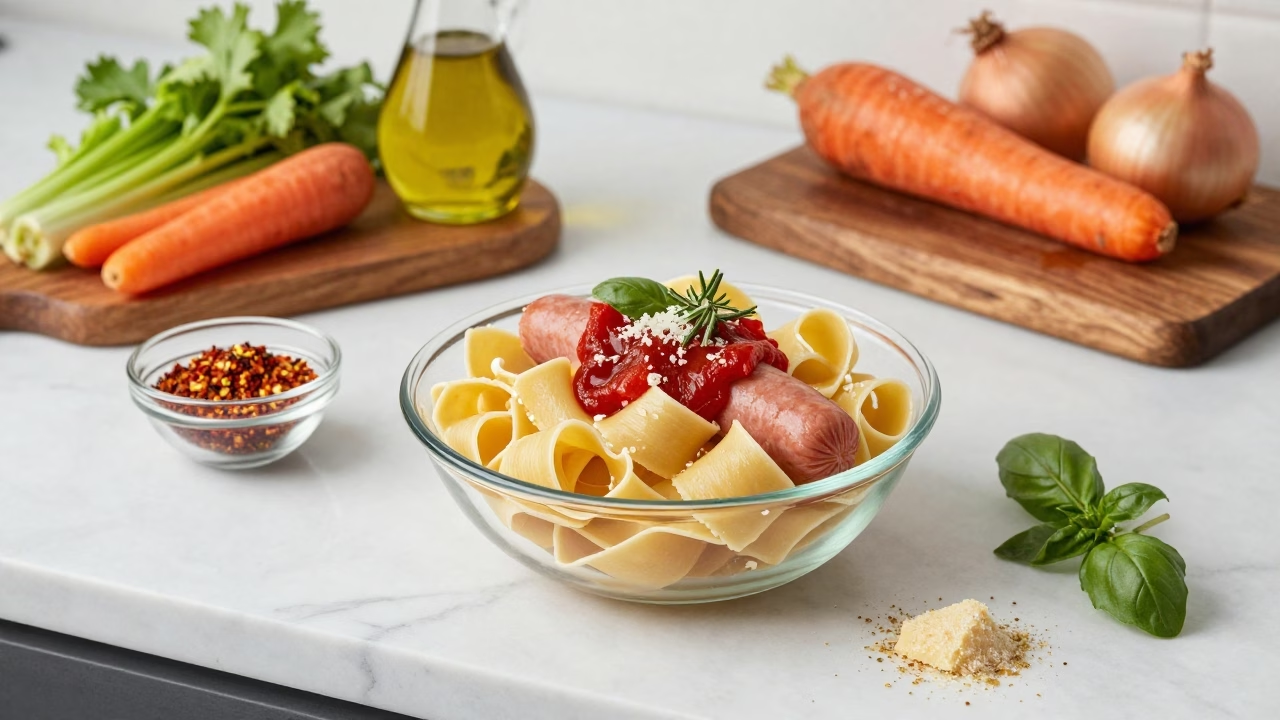
- The Foundation: 2 Tbsp good quality olive oil, 1 large yellow onion (finely diced), 2 cloves minced fresh garlic, 1 medium carrot (finely diced), 1 stalk celery (finely diced).
- The Meat: 1.5 lbs bulk Italian sausage (sweet or mild pork sausage).
- The Wine: 1/2 cup dry red wine (a Chianti or inexpensive Merlot works perfectly).
- The Tomato Base: 1 (6 oz) can tomato paste; 28 oz can crushed or whole peeled canned tomatoes (or high-quality passata). If using whole tomatoes, crush them by hand.
- The Seasoning: 1 tsp dried fennel seeds (optional, but highly recommended), 1 bay leaf, 1 tsp dried oregano, 1/2 tsp sugar (to cut the acidity), Kosher salt, and freshly cracked black pepper.
- The Finish: 1/2 cup chicken stock or beef broth, 2 tablespoons unsalted butter, and fresh Parmesan Reggiano for serving.
- The Pasta: 1 lb box pappardelle pasta (or another wide pasta like tagliatelle or fettuccine).
Substitutions and Low Waste Tips
- Meat Swap: If you can’t find bulk Italian sausage, you can substitute with 1 lb ground pork and season it with 1 tsp fennel seeds, 1/2 tsp dried oregano, and a pinch of red pepper flakes for heat. This can easily become a standard pork sausage ragu.
- Wine Free: For an alcohol free option, swap the red wine for extra chicken stock or even a little water and a splash of balsamic vinegar for acidity.
- Veggies: Carrot and celery are essential for the traditional *soffrito* base of this Tuscan style ragu, adding depth and sweetness. Don’t skip them, but if measuring is tedious, just aim for a similar amount in volume.
How to Make Sausage Ragu with Pappardelle
The secret weapon in this quick sausage ragu with pasta is maximizing the flavor development during those first few steps. Trust the process, and listen for the sizzle!
Step-by-Step Instructions for the Perfect Rich Tomato Meat Sauce
- Brown the Sausage: In a large, deep pot or Dutch oven, heat the olive oil over medium-high heat. Add the bulk Italian sausage and break it up with a spoon. Cook until the pork is deeply browned and crispy, about 7–10 minutes. This rendering of fat and browning of the meat is crucial for creating a truly flavorful pork sausage pasta sauce. Drain off all but about 2 tablespoons of the rendered fat.
- Build the Soffritto Base: Reduce the heat to medium. Add the finely diced onion, carrot, and celery (the *soffritto*) to the pot. Sauté gently, stirring occasionally, until the vegetables are softened and translucent, about 8 minutes. You’re looking for a sweet, mellow aroma here.
- Toast the Aromatics: Add the minced garlic, fennel seeds, and tomato paste. Stir constantly for 2–3 minutes. Toasting the tomato paste directly on the heat removes its metallic flavor and deepens its color, leading to a much richer final sauce. This is a crucial step for achieving that slow cooked sausage ragu depth quickly.
- Deglaze with Wine: Pour in the red wine. Bring the entire mixture to a vigorous simmer, scraping up any browned bits on the bottom of the pot (we call this ‘fond,’ and it’s pure flavor). Let the wine bubble and reduce by half, which takes roughly 3–5 minutes. This step concentrates the wine’s flavor, leaving behind just the wonderful, deep notes necessary for a proper red wine sausage ragu.
- Simmer the Sauce: Stir in the crushed tomatoes, bay leaf, oregano, salt, pepper, and sugar. Reduce the heat immediately to low, cover the pot partially, and let the rich tomato meat sauce simmer for 30–45 minutes. If it gets too thick at any point, add a splash of the chicken stock. The longer it simmers, the more amazing the flavor develops, but even 30 minutes is enough for an easy weeknight pappardelle with sausage ragu.
- Cook the Pappardelle: About 10 minutes before the ragu is done, boil a large pot of salted water. Add the pappardelle pasta and cook according to package directions until perfectly al dente. Reserve about 1 cup of the starchy pasta water before draining.
- Finish the Ragu: Remove the bay leaf. Stir in the remaining chicken stock and the two tablespoons of unsalted butter. The butter adds a silky, restaurant-quality sheen and finish, making the sauce feel truly luxurious. Add the cooked, drained pappardelle directly into the pot with the ragu.
- Toss and Serve: Toss everything together vigorously, adding reserved pasta water a tablespoon at a time if the sauce seems dry or needs more body. Continue tossing until every strand of pappardelle with Italian sausage ragu is beautifully coated. Serve immediately, topped generously with Parmesan and fresh basil.
Pro Tips & Variations for Slow Cooked Sausage Ragu with Pappardelle
Getting a perfect ragu is less about following the recipe obsessively and more about understanding the ingredient’s intent. These tips help you customize this dish and ensure a perfect outcome every single time.
The Power of the Red Wine Reduction
Never skip the deglazing step. The wine lifts all the caramelized meat solids from the bottom of the pot, incorporating incredible savory depth into your eventual sauce. If you want a truly slow cooked pork and fennel sausage ragu flavor, even in a shorter time frame, ensure that wine is reduced by at least half before adding the tomatoes.
The Butter Finish (The Secret Ingredient)
Adding cold butter at the very end is my non-traditional secret weapon. It’s what chefs call *monté au beurre.* It emulsifies the sauce, transforming it from a rustic meat sauce into a velvety, glossy ragu that perfectly adheres to the pappardelle pasta. Don’t skip the butter; it’s essential for that creamy sausage ragu with pappardelle texture everyone craves.
Make It Ahead Ragu (Meal Prep)
This is a fantastic make ahead sausage ragu for pappardelle. Cooked ragu freezes and refrigerates beautifully. In fact, the flavor actually intensifies overnight. Simply reheat the sauce gently on the stove and finish the pasta separately right before serving. This is how I manage to pull off a gourmet meal on a regular weeknight.
Variations for Your Rustic Italian Pasta
- For a Spicier Kick: If you love heat, use hot Italian sausage and add a teaspoon of Calabrian chili paste or red pepper flakes when you sauté the garlic.
- Vegetable Boost: For a deeper, more complex sauce, try incorporating some finely diced mushrooms along with the soffritto. They add an earthy umami flavor that complements the pork beautifully.
- Authentic Tuscan Style Ragu: True Tuscan ragu often includes a small amount of heavy cream or milk simmered in the sauce for the last 15 minutes. This cuts the acidity and adds a gorgeous richness, creating a true pappardelle with fennel sausage ragu experience.
- One-Pot Shortcut: While the pasta is usually cooked separately, if you are pressed for time, you can follow certain techniques for a one pot sausage ragu with pappardelle, though it requires precise water and cook-time adjustments. Nagi Maehashi over at RecipeTin Eats has some great tips on one-pot pasta techniques if that’s your goal.
Sausage Ragu with Pappardelle Serving Suggestions
When you serve a robust, satisfying dish like pappardelle with meat sauce, the side dishes should complement the richness without competing with it. We want fresh, bright, and simple pairings that cleanse the palate.
- A Simple Green Salad: A sharp, bright salad is the perfect counterpoint to the deep, savory flavor of the Sausage Ragu with Pappardelle. I usually toss baby arugula or mixed greens with a very simple lemon vinaigrette (lemon juice, olive oil, salt/pepper). The bitterness of the arugula paired with the acid cuts through the richness beautifully.
- Garlic Bread or Focaccia: You absolutely must have something crusty to wipe the plate clean of every last bit of that luscious sauce. A pan of warm, aromatic homemade garlic bread is a non-negotiable side dish in my kitchen whenever we have any kind of sausage tomato pasta.
- Roasted Asparagus: During spring, I love serving simple, quick roasted asparagus. Tossed with just olive oil and sea salt, their mild bitterness and tenderness provide an excellent textural contrast to the thick, chewy pappardelle.
- Wine Pairing: Since we used red wine in the ragu, a similar, sturdy wine works well for the meal. Think a Chianti Classico, a full-bodied Sangiovese, or a robust Zinfandel.
Ultimately, this rustic Italian pasta dish is best served family-style, straight from the pot to a big serving bowl, encouraging everyone to dig in and share. That communal nature is what makes this a true celebratory meal, a powerful language of gratitude right there on the table. For more excellent Italian inspiration, Giada De Laurentiis often has great ideas for simple, elegant Italian pairings.
Sausage Ragu with Pappardelle Storage & Reheating
This recipe is excellent for leftovers, which is a blessing on busy workdays. However, you need to store the components correctly to maintain quality.
- Storage: If you think you’ll have leftovers, try to store the sauce and the cooked pasta separately. The warm pasta absorbs a lot of the sauce and can become mushy overnight. Store the fully cooled ragu sauce in an airtight container in the refrigerator for up to 4 days or freeze it for up to 3 months.
- Reheating the Sauce: Thaw frozen ragu overnight in the fridge. Reheat the defrosted or refrigerated sauce in a small saucepan over medium-low heat, stirring occasionally. If it has thickened too much, use a tablespoon or two of water or broth to loosen it up. Taste and adjust seasoning before serving over freshly cooked pappardelle.
- Reheating Combined Pastas: If you have already combined the pappardelle and sausage ragu, you can reheat the portion in a skillet over low heat, adding a splash of water and a knob of butter. The low heat prevents the pasta from overcooking while warming the sauce.
FAQ about Sausage Ragu with Pappardelle
What is the best sausage for sausage ragu?
The best sausage for Sausage Ragu with Pappardelle is usually bulk mild or sweet pork Italian sausage. It provides the perfect balance of seasoning and fat content, contributing greatly to the richness of the sauce. You can definitely use spicy Italian sausage if you prefer a kick, making it a pappardelle with spicy Italian sausage ragu. Just make sure it’s high-quality and fresh.
Is pappardelle the only pasta I can use with ragu?
While pappardelle pasta is traditionally favored because its wide, rough surface is perfect for capturing the thick, rustic sauce (hence the search intent around pappardelle pasta recipes), you can easily substitute it. Other excellent choices include tagliatelle, fettuccine, or even rigatoni. Any pasta shape meant to be paired with a thick, meat ragu pasta will work beautifully.
What is the difference between ragu and bolognese?
The primary difference is the base and the consistency. Bolognese is a specific type of ragu (a slow-cooked meat sauce) originating from Bologna, traditionally containing finely ground meat, a touch of dairy (milk or cream), and minimal tomato. Ragu is a broader category and can contain larger cuts or types of meat (like our pork sausage ragu) and often has more tomato and liquid, resulting in a slightly coarser, more rustic sauce perfect for wide noodles like homemade pappardelle.
Can I make this sausage ragu in a slow cooker?
Absolutely, if you truly want an authentic slow cooked sausage ragu with pappardelle pasta experience. Complete steps 1-4 on the stovetop first (browning the meat, building the *soffritto*, and deglazing the wine). Then transfer the mixture to the slow cooker along with the tomatoes and broth, and simmer on low for 6-8 hours or high for 3-4 hours. Finish with butter and serve.
Final Thoughts on Connection in the Kitchen
There is a profound, quiet gratitude that settles over me when I watch Adams and Jana twirl the silken pappardelle around their forks, their expressions focused solely on the meal. The kitchen, thick with the scent of the Italian sausage ragu, ceases to be just a room and becomes a sanctuary. In a world that ceaselessly demands our attention, these simple, shared, satisfying meals are the anchors. They remind us that the best things in life, like a perfectly simmered sauce and the people we love gathered around the table, are often slow-simmered, intentional creations. I hope this recipe brings that quiet connection and immense satisfaction to your table. If you enjoyed this journey into slow simmered meat sauce, please save it to your favorite Pinterest boards and let me know in the comments below what memories this dish evokes for you. Happy cooking, friends.
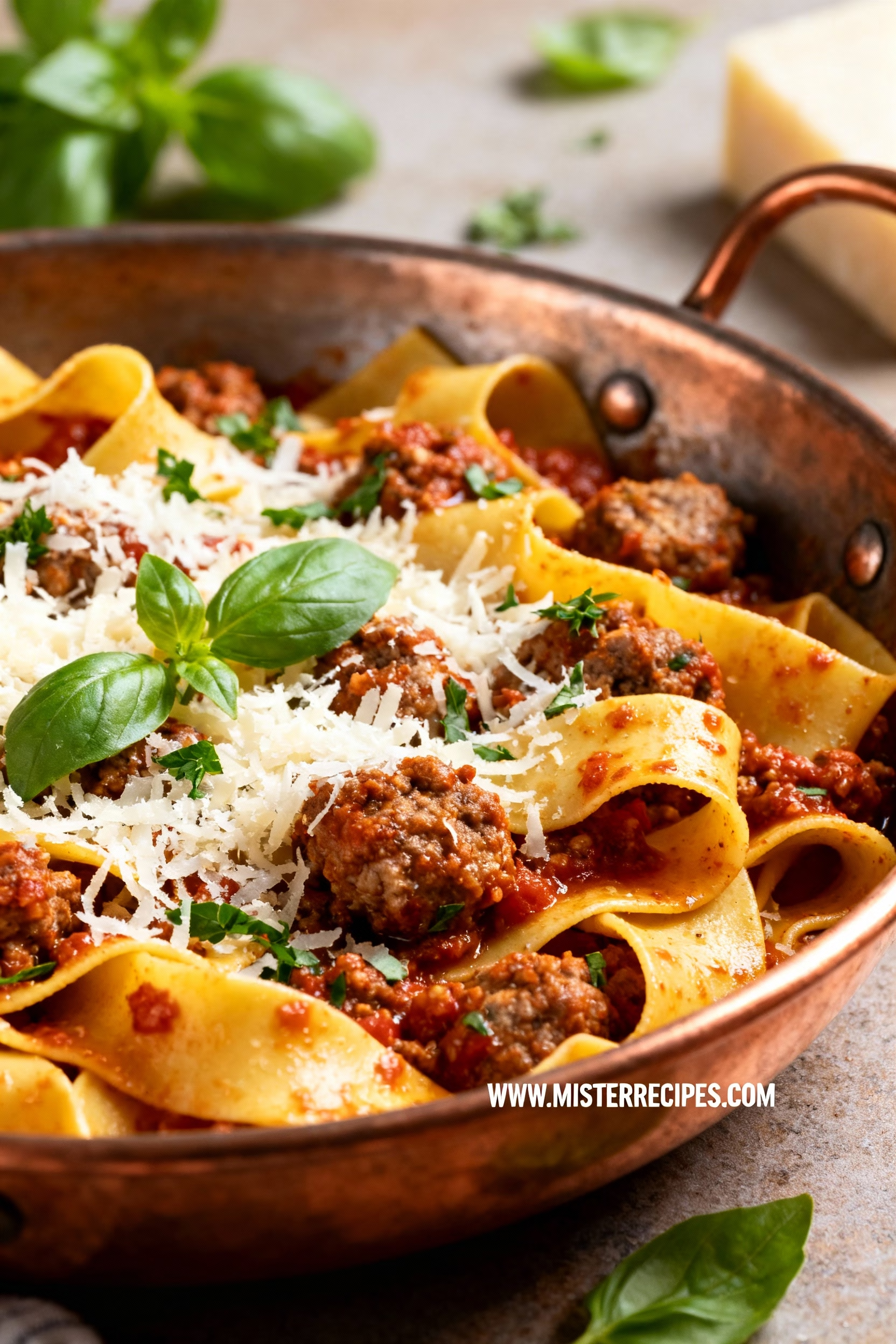
Sausage Ragu with Pappardelle
Ingredients
Equipment
Method
- In a large, deep pot or Dutch oven, heat the olive oil over medium-high heat. Add the bulk Italian sausage and break it up with a spoon. Cook until the pork is deeply browned and crispy, about 7–10 minutes. Drain off all but about 2 tablespoons of the rendered fat.
- Reduce the heat to medium. Add the finely diced onion, carrot, and celery (the soffritto) to the pot. Sauté gently, stirring occasionally, until the vegetables are softened and translucent, about 8 minutes.
- Add the minced garlic, fennel seeds, and tomato paste. Stir constantly for 2–3 minutes. Toasting the tomato paste removes its metallic flavor and deepens its color, leading to a much richer final sauce.
- Pour in the red wine. Bring the entire mixture to a vigorous simmer, scraping up any browned bits on the bottom of the pot (fond). Let the wine bubble and reduce by half, which takes roughly 3–5 minutes.
- Stir in the crushed tomatoes, bay leaf, oregano, salt, pepper, and sugar. Reduce the heat immediately to low, cover the pot partially, and let the sauce simmer for 30–45 minutes. If it gets too thick, add a splash of the chicken stock.
- About 10 minutes before the ragu is done, boil a large pot of salted water. Add the pappardelle pasta and cook according to package directions until perfectly al dente. Reserve about 1 cup of the starchy pasta water before draining.
- Remove the bay leaf. Stir in the remaining chicken stock and the two tablespoons of unsalted butter. The butter adds a silky, restaurant-quality sheen and finish, making the sauce feel truly luxurious.
- Add the cooked, drained pappardelle directly into the pot with the ragu. Toss everything together vigorously, adding reserved pasta water a tablespoon at a time if the sauce seems dry or needs more body. Continue tossing until every strand of pappardelle with Italian sausage ragu is beautifully coated. Serve immediately, topped generously with Parmesan and fresh basil.