
Introduction
Do you ever stop to think about the soundtrack of a perfect, easy dinner? For me, it’s the high-pitched, satisfying crunch that tells the whole story before the first bite, often followed by a delighted silence from the kids. That sound is synonymous with the very best kind of home cooking, the kind that feels simple but delivers complexity. On our bustling weeknights here in Bend, when Ethan is late from a meeting, and the mountain air is getting crisp, I find myself craving something familiar yet slightly transportive. That something, without fail, is the Japanese Fried Chicken Sandwich (Karaage) with Ponzu Slaw. This recipe is more than just a chicken sando, it’s a moment. It’s what I make when I need the maximum payoff for minimal prep, perfect for a family that loves flavor and texture. If you’ve ever wondered how to achieve that uniquely light, shattering crust characteristic of authentic chicken karaage sandwich, you’re about to find out. This dish is built on layers, the savory depth of the marinade meeting the bright, refreshing tang of the slaw. This crispy karaage sandwich ponzu coleslaw recipe has truly become our household’s most requested weeknight special, marrying deep comfort with unexpected brightness.
I remember the first time I served this. The kids, Adams and Jana, usually require a fifteen-minute negotiation to try anything new, but the aroma of ginger and soy sauce—that umami glow—drew them immediately. Ethan, my usually reserved taste tester, just nodded and immediately reached for a second. It made me realize that food doesn’t have to be complicated to convey intense emotional feeling. It just needs heart. And this Japanese fried chicken sandwich with ponzu slaw recipe offers that heart, right on a soft brioche bun. It’s connecting, not perfecting, in the kitchen, and this is the recipe that proves it.
Table of Contents
- Why You’ll Love This Japanese Fried Chicken Sandwich (Karaage) with Ponzu Slaw
- Ingredients for Japanese Fried Chicken Sandwich (Karaage) with Ponzu Slaw
- How to Make Japanese Fried Chicken Sandwich (Karaage) with Ponzu Slaw
- Pro Tips & Variations
- Japanese Fried Chicken Sandwich (Karaage) with Ponzu Slaw Serving Suggestions
- Japanese Fried Chicken Sandwich (Karaage) with Ponzu Slaw Storage & Reheating
- FAQ about Japanese Fried Chicken Sandwich (Karaage) with Ponzu Slaw
- Final Thoughts
Why You’ll Love This Japanese Fried Chicken Sandwich (Karaage) with Ponzu Slaw
This isn’t just another fried chicken dinner. This best karaage chicken sando represents a fusion of flavor and texture that elevates the common sandwich experience into something truly memorable. The moment you introduce this recipe into your home kitchen, you’ll understand why it’s become a viral sensation and a benchmark for superior comfort food. The secret, of course, lies in the method and the ingredients, specifically the use of potato starch fried chicken for that incomparable crispness.
Here at MisterRecipes, we champion recipes that bring people together, and this Japanese fried chicken sandwich (karaage) does exactly that. The combination of intense umami from the marinated chicken with the vibrant acidity of the ponzu slaw is a culinary masterpiece that is surprisingly achievable for the home cook. We use boneless, skinless chicken thighs because they guarantee a juicy, tender interior, which provides a comforting contrast to the exterior’s light, airy crunch. Unlike typical Western fried chicken, which relies on a thick flour batter, chicken karaage uses a delicate blend of flavorings and potato starch, ensuring the coating adheres lightly and fries up paper thin and irresistibly crisp.
For those of us living busy lives, the convenience factor is huge. The marinating process can be done up to 24 hours in advance, transforming weeknight cooking into a simple matter of dipping and frying. The slaw is quick, bright, and requires minimal chopping, moving you closer to serving this magnificent meal rapidly. Our recipe focuses heavily on achieving that desirable semantic search term: the perfect balance of savory, sweet, and acidic flavors.
- It’s The Ultimate Crispy Comfort: The use of potato starch (or cornstarch for potato starch if you’re in a pinch, though I highly recommend the former) yields a superior, long-lasting crunch that never gets heavy or doughy. This is the hallmark of authentic karaage chicken.
- A Symphony of Flavors: The chicken is bathed in a classic Japanese marinade, featuring soy, sake, ginger, and sometimes a dash of mirin for sake for sweetness. The addition of the homemade ponzu coleslaw cuts through the richness beautifully, thanks to the dressing made with ponzu, rice vinegar, and a touch of honey.
- Perfect for All Ages: My kids, Adams and Jana, devour this. The flavors are savory and bold but not overly spicy (unless you add a dash of sriracha to the optional Kewpie mayo). It’s satisfying enough for the adults and approachable for the little ones. Serving it on a toasted brioche bun adds a touch of necessary vehicle stability and sweetness.
- Optimized Prep Time: This recipe is designed for maximum flavor impact with streamlined execution. Make the quick ponzu coleslaw while the chicken is frying, or even the day before, to make dinner effortless.
- Minimal Waste Focus: We utilize the entire chicken thigh, and the slaw components are usually just cabbage and scallions, minimizing leftover ingredients. This aligns perfectly with the MisterRecipes commitment to resourceful, thoughtful cooking.
When you’re searching for the ultimate Japanese fried chicken sandwich experience—a dish that rivals any restaurant-quality sando—look no further. This recipe captures that beautiful contradiction: rich, satisfying depth paired with energetic, palate-cleansing freshness.
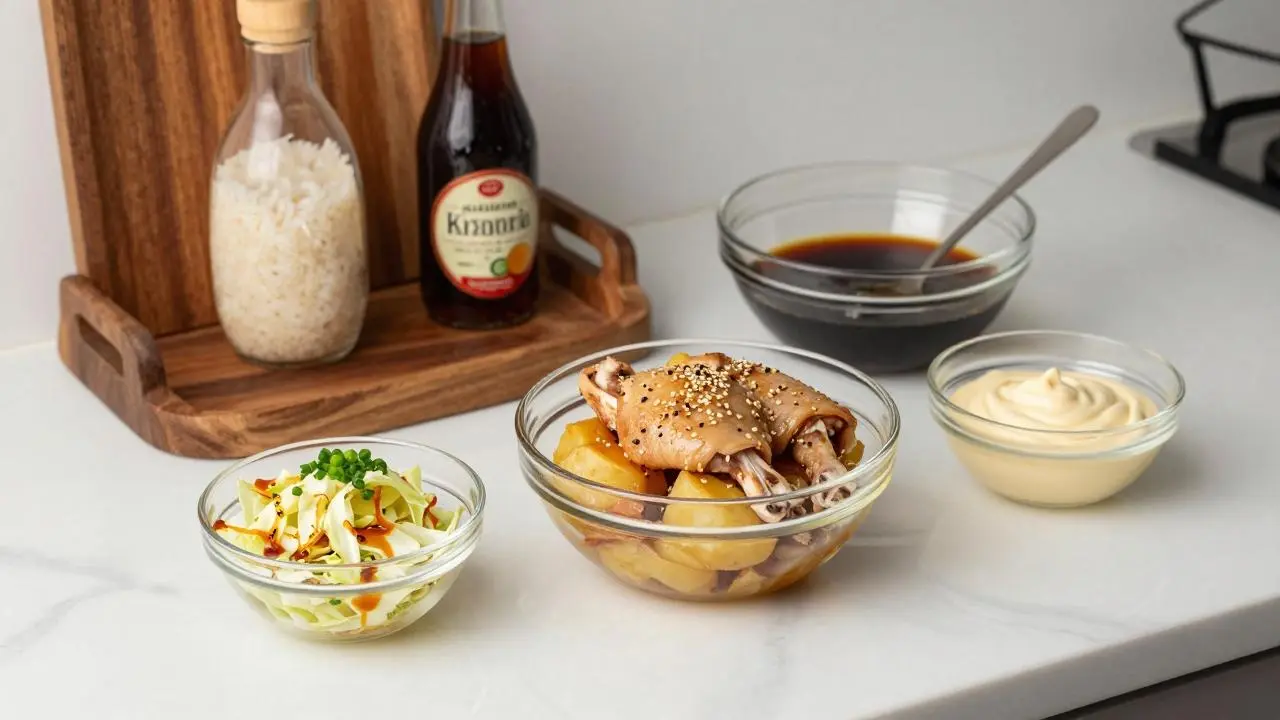
Ingredients for Japanese Fried Chicken Sandwich (Karaage) with Ponzu Slaw
For the Karaage Chicken
- 1.5 lbs boneless, skinless chicken thighs, trimmed and cut into 1 inch pieces
- 1/4 cup soy sauce (low sodium preferred)
- 2 tbsp sake or mirin (essential for flavor)
- 1 tbsp fresh ginger, grated
- 1 clove garlic, minced
- 1 large egg
- 1/2 cup potato starch (critical for the crispy coating)
- Vegetable oil for frying (canola, peanut, or grapeseed)
For the Ponzu Slaw
- 4 cups finely shredded cabbage slaw mix (or 1 small head of green cabbage, shredded)
- 2 scallions, thinly sliced
- 1/4 cup ponzu sauce
- 2 tbsp rice vinegar
- 1 tsp sesame oil
- 1 tsp honey (or maple syrup)
- 1/4 tsp salt
- Optional: dash of sesame seeds for garnish
For Assembly
- 4 brioche buns, toasted
- 1/4 cup Kewpie mayo (or regular mayo mixed with a squeeze of lemon juice)
- Optional: 1 tsp yuzu kosho mixed into the mayo for a spicy, citrus kick
- Thinly sliced tomato or pickles (optional)
How to Make Japanese Fried Chicken Sandwich (Karaage) with Ponzu Slaw
Step-by-Step Instructions
The journey to the perfect karaage sando is about patience and preparation. Trust me, the time spent marinating is a love letter to your dinner plate, ensuring every bite is deeply flavorful.
- Marinate the Chicken (The Heart of Karaage): In a medium bowl, combine the cut chicken thighs with soy sauce, sake (or mirin), grated ginger, garlic, and the egg. The egg acts as a binder, helping the potato starch adhere. Mix well until every piece is coated. Cover the bowl and refrigerate for a minimum of 30 minutes, but ideally 4 hours or overnight. This long soak is vital for maximum flavor penetration, ensuring your Japanese fried chicken sandwich is juicy and flavorful.
- Prepare the Ponzu Slaw (The Bright Counterpoint): While the chicken marinates, whisk together the dressing for the ponzu slaw in a large bowl. Combine the ponzu, rice vinegar, sesame oil, honey, and salt. Add the shredded cabbage slaw and sliced scallions. Toss gently to coat. You want the slaw bright and crisp, so aim to make this just before serving or no more than an hour ahead. Refrigerate until ready.
- Dredge the Chicken: Pour the potato starch onto a shallow plate. This is the secret to the unique texture. One piece at a time, dredge the marinated chicken, pressing firmly to ensure the starch completely covers all surfaces. The mixture should form a light, slightly moist coating. Shake off any excess starch.
- Heat the Oil: In a sturdy pot or Dutch oven, pour about 2 to 3 inches of frying oil (canola or peanut). Heat the oil to 350°F (175°C). Use a thermometer, as temperature control is key for a truly crispy result. If the oil is too cool, the chicken will be greasy, and if too hot, the exterior will burn before the interior cooks.
- First Fry (Cooking the Chicken): Carefully lower the chicken pieces into the hot oil, ensuring you do not overcrowd the pot. Fry the chicken in batches for about 3 to 4 minutes until they are lightly golden and cooked through. Remove the chicken and place them on a wire rack set over a baking sheet. This initial fry cooks the chicken and sets the coating.
- Second Fry (Achieving Maximum Crispness): Increase the oil temperature slightly to about 375°F (190°C). Return the partially cooked chicken to the oil for the ‘double fry’ step, which is essential for the crispy karaage sandwich. Fry for another 60 to 90 seconds. The chicken pieces will rapidly deepen in color to a beautiful golden brown and become extraordinarily crunchy. Remove quickly and drain on the rack. Listen for that signature crackle!
- Assemble the Sando: Toast your brioche buns lightly. On both halves, spread a generous layer of Kewpie mayo, optionally mixed with that lovely, pungent yuzu kosho mayo for an extra kick. Pile the hot, freshly fried fried chicken karaage liberally onto the bottom bun. Top with a generous mound of the crunchy, tangy ponzu slaw. Place the top bun and serve immediately. This beautiful layering makes every bite a balanced experience, delivering the salty, savory crunch followed by the clean, bright acid of the slaw.
Pro Tips & Variations
Achieving restaurant-quality fried chicken at home often comes down to small, crucial details. Here are a few secrets I’ve learned while perfecting this Japanese fried chicken sandwich (karaage) in my Bend kitchen.
The Double Fry is Non-Negotiable
I mentioned it in the instructions, but I need to underscore this: the double fry technique is the secret differentiating factor between good karaage and breathtaking karaage. The first fry cooks the chicken internally; the second, hotter fry drives out any remaining moisture from the coating, making it impossibly light, airy, and ultra-crisp. Don’t skip this, especially when making a substantial karaage sandwich where texture is everything.
Temperature Control and Resting
Use a thermometer, always. Frying temperature stability ensures even cooking. Additionally, letting the chicken rest on a wire rack between the first and second fry allows residual heat to gently finish cooking the interior without risking a tough exterior. Do not drain the cooked chicken on paper towels, as this traps steam and softens the crisp crust you worked so hard to create.
Flavor Variations for Your Karaage Sando
- Spicy Sensation: If you love heat, whisk 1 teaspoon of sriracha into the Kewpie mayo. For a truly authentic, fragrant heat, try adding a tiny smear of yuzu kosho on the bun before adding the chicken. This balances the richness with fiery, citrusy notes.
- Gluten-Free Perfection: This recipe is naturally close to gluten-free since potato starch is naturally GF. Just ensure your soy sauce is certified gluten-free (like Tamari). Avoid any substitutions that involve flour or traditional batter mixes.
- Vegan Option (Shroom Sando): While the core dish is chicken, you can achieve a similar textural experience using large oyster mushrooms or thick-sliced portobellos, marinated in the same ginger/soy/sake mixture and coated in potato starch. The ponzu coleslaw recipe is already naturally vegan, provided you use maple syrup instead of honey. Make this your signature ‘karaage shroom sando’!
- The Bread Choice: While the plushness of a toasted brioche bun is ideal, a sturdy Japanese Milk Bread (Shokupan) works beautifully for a softer, slightly chewier bite, providing the necessary foundation for the heavy fried chicken karaage and slaw.I often find that a good quality milk bread is worth the hunt for an authentic Japanese fried chicken sandwich experience.
The beauty of this recipe is its adaptability. It starts with simple, beautiful ingredients, and you can gently push the flavors in the direction your family loves most. Remember, the journey of cooking should be filled with joy, and finding that perfect crispness is incredibly rewarding.
Japanese Fried Chicken Sandwich (Karaage) with Ponzu Slaw Serving Suggestions
The karaage sando, with its bright ponzu slaw, is a meal in itself, but the right side dishes elevate the experience, grounding the meal in shared kitchen gratitude. When I serve this to Ethan and the kids, I try to balance the richness of the fried chicken with fresh, contrasting elements.
1. Quick Dashi-Simmered Green Beans
Instead of heavy fries, try something a little lighter and more textural. A quick blanch of fresh green beans, followed by a gentle simmer in a reduction of dashi stock, soy sauce, and a touch of mirin, provides a wonderful umami-rich vegetable side. They are tender-crisp and absorb the light, savory broth, complementing the intense flavor of the Japanese fried chicken sandwich (karaage) beautifully.
2. Simple Sesame Cucumber Salad (Sunomono)
Since the ponzu slaw is cabbage-based, a quick sunomono is the perfect pickle counterpart. Thinly slice English cucumbers and toss them with a dressing of rice vinegar, sugar, a pinch of salt, and a dash of sesame seeds. This dish provides a cold, intensely acidic burst that acts as a delightful palate cleanser between bites of the robust chicken karaage sandwich. The crispness of the cucumber works in harmony with the crunch of the chicken and slaw.
3. Steamed Rice with Furikake
Sometimes, simple is best. A small bowl of perfectly steamed, fluffy short-grain rice sprinkled liberally with furikake seasoning (a blend of dried seaweed, sesame seeds, and dried fish flakes) is a wonderfully authentic and satisfying side. It provides a comforting neutral base to soak up any stray bits of sauce or oil from the fried chicken karaage. This is a great way to ensure the whole family leaves the table feeling satisfied and nourished.
4. Cooling Japanese Potato Salad
If you prefer a starchier side, Japanese Potato Salad is divine. Often made with a mix of boiled potato, carrot, cucumber, and mashed with Kewpie mayo and a touch of rice vinegar, it is lighter and tangier than its American counterpart. It offers a creamy, cool texture that contrasts beautifully with the hot, crispy chicken. This creamy potato salad is a perfect pairing for the salty bite of the karaage sando.
Ultimately, the aim is balance. The perfect meal, much like life, relies on finding harmony between textures and tastes. Serving this beloved karaage sando with any of these sides reinforces the intimate, narrative quality of a meal prepared with love.
Japanese Fried Chicken Sandwich (Karaage) with Ponzu Slaw Storage & Reheating
While this Japanese fried chicken sandwich (karaage) is best enjoyed immediately for maximum crunch, I understand the realities of family cooking. Here’s how to handle leftovers, keeping in mind that separate storage is key to preserving texture.
Storage
Separation is essential. Never store the assembled sandwich. The moisture from the slaw and the grease from the hot chicken will immediately steam the bun and ruin the karaage’s signature crispness.
- Karaage Chicken: Store cooled, fried chicken in an airtight container in the refrigerator for up to 3 days. Do not cover it while it’s still warm, as that creates condensation.
- Ponzu Slaw: Undressed slaw mix can be stored for 3 days. Once dressed, the ponzu coleslaw is best eaten within 24 hours, as the cabbage will eventually soften under the acid. Store the dressing separately for optimal texture if prepping ahead.
Reheating for Crispness
The goal is to bring back that shattering outer texture of the chicken karaage.
- Oven/Toaster Oven Method (Best Choice): Preheat your oven or toaster oven to 375°F (190°C). Place the chicken pieces on a wire rack set over a baking sheet (again, avoiding lining the chicken directly on foil or parchment). Bake for 8 to 12 minutes, until the chicken is piping hot all the way through and the exterior is audibly crisp. This hot air circulation revitalizes the potato starch coating.This method is superior to microwaving, which will render the crust soggy.
- Air Fryer Method (Fastest Choice): Reheat in an air fryer at 350°F (175°C) for 4 to 6 minutes, shaking the basket halfway through. This provides an almost perfect crunch restoration.
FAQ about Japanese Fried Chicken Sandwich (Karaage) with Ponzu Slaw
Cooking should be exploratory, not stressful! Here are answers to common questions about perfecting your crispy karaage sandwich ponzu coleslaw.
Why is potato starch better than flour or cornstarch for this recipe?
Potato starch is crucial for authentic karaage chicken. It fries up incredibly light, allowing moisture to escape rapidly, which maximizes the crisp factor. Flour creates a heavier, bready coating, and while cornstarch is a suitable substitution, potato starch yields a superior, almost glass-like, thin crust that stays crunchy longer, which is exactly what you want in the best karaage chicken sando.
Can I bake the karaage instead of frying?
While you can, baking achieves a vastly different texture. The deep, crackling crispness that makes the Japanese fried chicken sandwich special relies heavily on submersion in hot oil. If you must bake, try drizzling the coated chicken pieces generously with oil and bake at 400°F (200°C) until golden brown, flipping halfway through. It will be slightly less crispy but still flavorful.
What is ponzu and how does it make the slaw unique?
Ponzu is a Japanese citrus-based seasoned soy sauce. It gets its distinctive tartness from yuzu or other citrus (like lemon) and has a savory base of soy sauce, rice vinegar, and often dashi. Using ponzu in the slaw dressing instead of straight vinegar makes the ponzu coleslaw exceptionally bright, complex, and savory, perfectly cutting through the richness of the chicken karaage sandwich.
What are good substitutions if I can’t find sake?
If you don’t have sake, you can substitute it with mirin, which is a sweet rice wine. If you use mirin, slightly reduce the amount of added sugar (if any) in the marinade due to its sweetness. Alternatively, a dry sherry or even a high-quality white wine (like Chardonnay) can work in a pinch for the alcohol component, which helps tenderize the meat.
Can I prepare the karaage in advance?
You can certainly marinate the chicken for up to 24 hours. Once fried, the chicken is best eaten within an hour for peak texture. If you are preparing for a gathering, I recommend doing the first fry entirely ahead of time, storing the pieces, and then doing the second, quick fry right before assembly. This guarantees a shattering crunch for your guests.
Final Thoughts
There is a profound, quiet gratitude that settles over the kitchen when a familiar, comforting smell takes over, like the heady perfume of ginger and soy mixed with hot oil. This Japanese Fried Chicken Sandwich (Karaage) with Ponzu Slaw transcends its simple components. It’s that deep exhale after a long day when the family gathers, their hands wrapped around a perfect, warm sandwich. The crackle of the potato starch, the tenderness of the meat, the acidic bite of the slaw, it’s all part of the emotional language of food. It reminds us that connection doesn’t happen in perfection; it happens in shared, simple meals, seasoned generously with memory. This is our kitchen’s anchor, and I hope it soon becomes yours. Take a moment, feel the warmth, taste the crunch, and remember to be thankful for the simple joy of sustenance. Happy cooking, from our Bend home to yours!
If this recipe brought a little joy to your skillet, please consider saving it to Pinterest and leaving a comment below! We love hearing your stories and seeing your beautiful creations.
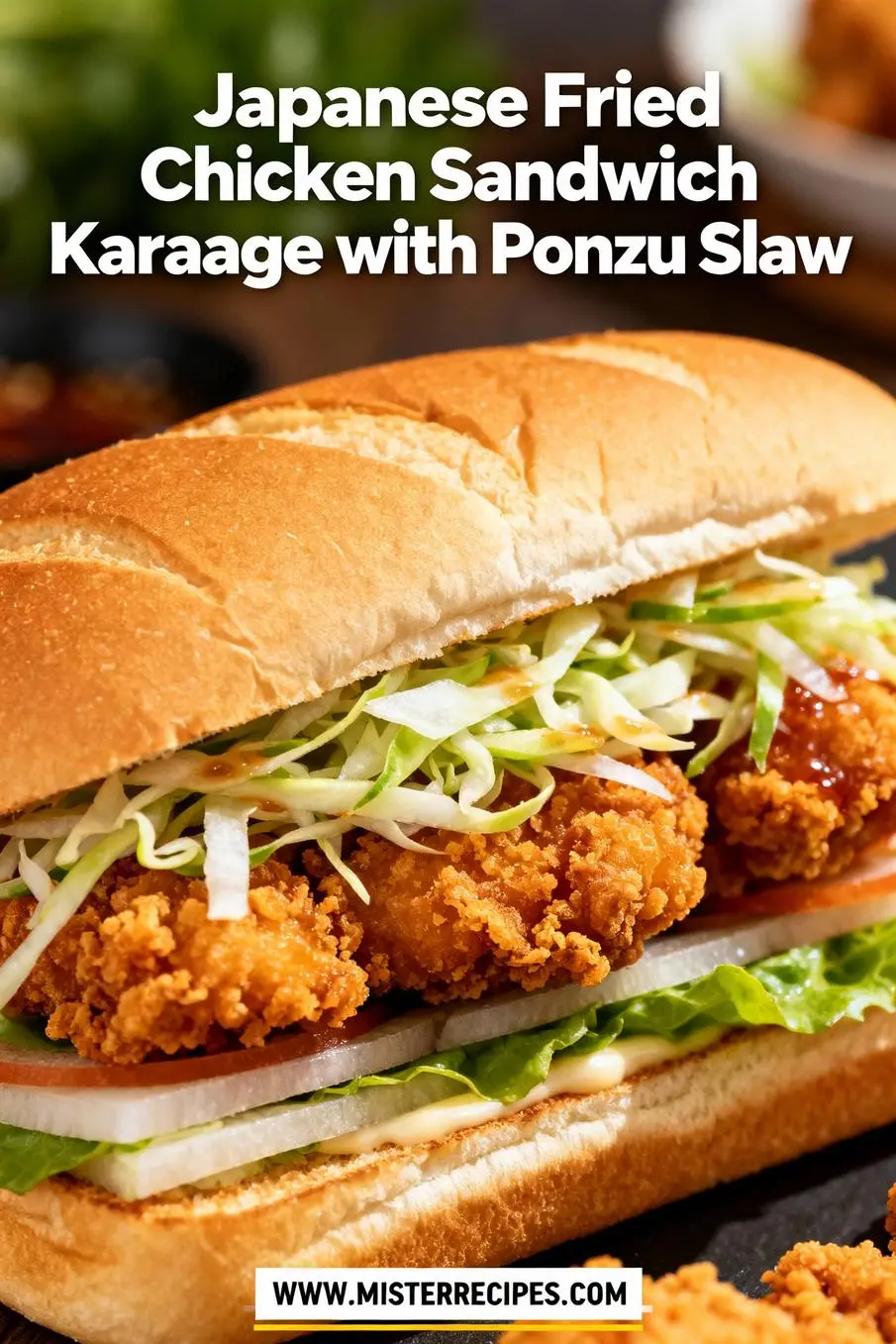

Japanese Fried Chicken Sandwich (Karaage) with Ponzu Slaw
Ingredients
Equipment
Method
- In a medium bowl, combine the cut chicken thighs with soy sauce, sake (or mirin), grated ginger, garlic, and the egg. Mix well until every piece is coated. Cover and refrigerate for a minimum of 30 minutes, but ideally 4 hours or overnight.
- In a large bowl, whisk together the ponzu, rice vinegar, sesame oil, honey, and salt. Add the shredded cabbage slaw and sliced scallions. Toss gently to coat. Refrigerate until ready, ideally no more than an hour ahead.
- Pour the potato starch onto a shallow plate. One piece at a time, dredge the marinated chicken, pressing firmly to cover all surfaces. Shake off excess starch.
- In a sturdy pot or Dutch oven, pour about 2-3 inches of vegetable oil. Heat to 350°F (175°C) using a thermometer.
- Carefully lower chicken pieces into the hot oil in batches, without overcrowding. Fry for 3-4 minutes until lightly golden and cooked through. Remove to wire rack over baking sheet.
- Increase oil to 375°F (190°C). Return chicken to oil for 60-90 seconds until golden brown and extra crunchy. Drain on rack.
- Toast brioche buns. Spread Kewpie mayo (mixed with yuzu kosho if desired) on both halves. Pile chicken on bottom bun, top with ponzu slaw. Add tomato or pickles if desired. Close and serve immediately.