
Introduction
Did you know that the secret to an unforgettable home cooked meal lies not in high tech culinary gadgetry, but in the slow reduction of vibrant aromatics simmering together in a heavy pot? On a crisp, rainy evening here in Bend, Oregon, as the wind rustled through the tall ponderosa pines outside my window, I found myself longing for something deeply soul warming. I pulled out my trusty iron skillet and began preparing a savory batch of Nigerian Chicken Stew: Rich West African Comfort. The golden aroma of simmering tomatoes, sweet bell peppers, garlic, ginger, and aromatic curry powder soon filled every corner of our home, drawing my husband Ethan and our children, Adams and Jana, straight to the kitchen counter. There is a quiet magic in an authentic african chicken stew recipe that transforms basic, whole ingredients into a velvety, deeply satisfying feast. This classic dish of west african cuisine is far more than just a dinner option, it is a heartwarming invitation to gather around the table and build lasting memories over wholesome food.
Table of Contents
- Why You’ll Love This Nigerian Chicken Stew: Rich West African Comfort
- Ingredients for Nigerian Chicken Stew: Rich West African Comfort
- How to Make Nigerian Chicken Stew: Rich West African Comfort
- Pro Tips & Variations
- Nigerian Chicken Stew: Rich West African Comfort Serving Suggestions
- Nigerian Chicken Stew: Rich West African Comfort Storage & Reheating
- FAQ about Nigerian Chicken Stew: Rich West African Comfort
- Final Thoughts
Why You’ll Love This Nigerian Chicken Stew: Rich West African Comfort
Cooking at home should never feel like a chaotic chore. Instead, it ought to be a joyful ritual of creation and nourishment. Here is why this comforting red stew will instantly earn a permanent spot in your weekly dinner rotation:
- Deep and Unmatched Flavor Profile: The magic of this dish comes from roasting and slowly frying a pureed blend of red bell peppers, ripe tomatoes, onions, and scotch bonnet peppers. This process removes raw acidity and leaves behind a sweet, savory, and robust base.
- Perfect for Beginners: If you are seeking a reliable nigerian chicken stew recipe for beginners, this approach removes all guesswork. The steps are straightforward, foolproof, and deeply rewarding.
- Whole Foods and Nutrient Rich: Packed with fresh garlic, ginger, lycopene rich tomatoes, and high quality protein, this african comfort food provides rich nourishment without processed additives.
- Kid Friendly Adaptability: While traditional versions feature a fiery kick, you can easily control the scotch bonnet heat level so younger family members like Emily, Adams, and Jana can enjoy every bite without tears.
- Exceptional for Meal Prep: Like many complex stews, this dish tastes even better the following day as the warm spices and tender chicken continue to meld together in the refrigerator.
Ingredients for Nigerian Chicken Stew: Rich West African Comfort
To craft an authentic, rich pot of nigerian chicken stew, high quality whole ingredients are essential. Here is what you will need for your market trip:
- Chicken: 3 pounds of bone in chicken thighs, drumsticks, or whole chicken cut into pieces. Bone in meat yields the richest flavor and keeps the dish moist during long simmering.
- Red Bell Peppers (Tatashe): 4 large red bell peppers, cored and chopped, providing natural sweetness and vibrant crimson color.
- Plum Tomatoes: 5 large ripe plum tomatoes, blended into the pepper mixture to create a juicy, balanced texture.
- Onions: 2 large yellow or red onions. Split between the pepper blend and slicing for the pan base.
- Scotch Bonnet Peppers (Ata Rodo): 1 or 2 peppers depending on your heat tolerance. You can substitute habanero peppers if needed.
- Garlic and Ginger: 4 cloves of garlic and a 1 inch knob of fresh ginger, minced finely for warm aromatic depth.
- Cooking Oil: 1/2 cup of high quality vegetable oil or try cooking with a traditional base as detailed in this guide for traditional nigerian chicken stew techniques.
- Curry Powder and Dried Thyme: 1 tablespoon mild curry powder and 1 teaspoon dried thyme, forming the classic backbone of chicken stew cooking.
- Bay Leaves and Stock Cubes: 2 bay leaves and 2 chicken stock cubes (or bouillon) to enhance savory meat notes.
- Salt and Pepper: Sea salt and freshly cracked black pepper to taste.
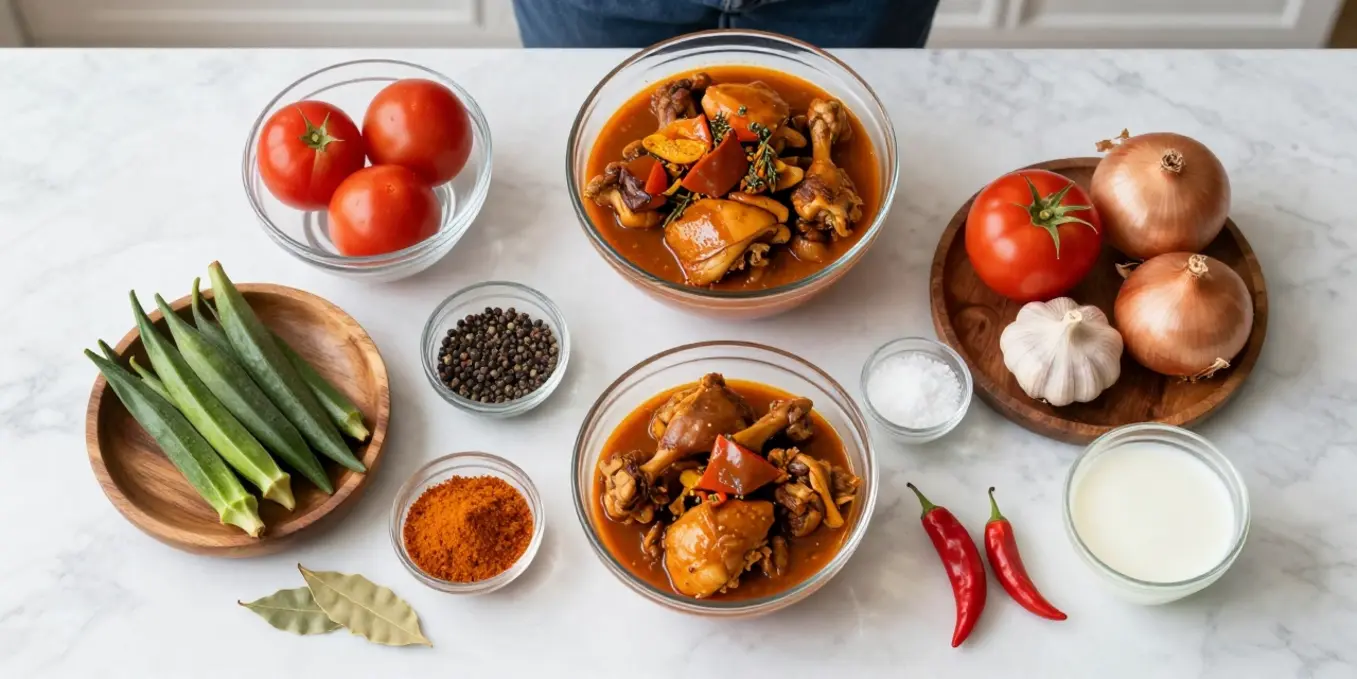
How to Make Nigerian Chicken Stew: Rich West African Comfort
Step-by-Step Instructions
- Season and Poach the Chicken: In a large heavy bottomed pot, combine chicken pieces with sliced onions, minced garlic, ginger, curry powder, dried thyme, salt, and crushed stock cubes. Add half a cup of water. Cover and bring to a simmer over medium heat for 20 minutes until the chicken is tender and has released its natural juices. Strain and reserve the liquid chicken stock for later.
- Brown the Meat: Heat two tablespoons of oil in a wide skillet over medium high heat. Gently sear the poached chicken pieces for 3 to 4 minutes per side until golden brown and lightly crisp on the skin. Set aside on a paper towel lined plate.
- Blend the Aromatics: In a blender, combine the red bell peppers, plum tomatoes, one onion, and scotch bonnet peppers with a splash of water. Blend until smooth yet slightly textured.
- Boil Down the Puree: Pour the blended pepper mixture into a wide saucepan and boil uncovered over medium heat for 15 to 20 minutes. This key step evaporates excess water and neutralizes raw tartness before frying.
- Fry the Stew Base: In a clean deep pot, heat the remaining oil over medium heat. Add finely sliced onions and sauté for 3 minutes until translucent and fragrant. Slowly pour in the reduced pepper puree. Fry the stew, stirring frequently, for 15 to 20 minutes until the sauce deepens in color and oil begins to tiny floating pockets on top.
- Combine Stock and Chicken: Stir in the reserved chicken stock, bay leaves, and additional seasoning if desired. Lower the heat to low, gently slide in the browned chicken pieces, and cover the pot. Simmer gently for 15 minutes, allowing the chicken to soak up the glorious red sauce.
- Taste and Rest: Remove from heat and discard the bay leaves. Skim off any excess oil from the surface if desired. Let the stew sit covered for 10 minutes before serving so the meat relaxes into velvety tenderness.
Pro Tips & Variations
Unlocking authentic flavor requires paying attention to gentle techniques rather than rushing. Here are key adjustments to tailor this recipe to your preferences:
- Mastering the Pepper Fry: The absolute cornerstone of a classic nigerian stew recipe is frying the pepper mix long enough to eliminate sour notes. Look for oil separating along the edges of your pot as your visual signal.
- Creamy Coconut Twist: For a uniquely soothing variation, try making nigerian chicken stew with coconut milk. Replacing half of the broth with unsweetened coconut milk adds a delicate sweetness that Adams and Jana adore.
- Adding Extra Garden Freshness: Prepare a wholesome nigerian chicken stew with vegetables by adding diced carrots, green peas, or sweet bell pepper strips during the final ten minutes of simmering.
- Leafy Greens and Okra Additions: In corporate fiber by making nigerian chicken stew with okra or folding in fresh spinach at the end of cooking for a vibrant twist on a nigerian soup recipe.
- Weight Loss and Low Carb Options: For those interested in nigerian chicken stew for weight loss, use skinless chicken breast, reduce cooking oil to two tablespoons, and cook in an air fryer before simmering in the reduced pepper base.
- Traditional Oil Choice: Preparing nigerian chicken stew with palm oil offers a floral, earthy background note that honors classic West African heritage.
Nigerian Chicken Stew: Rich West African Comfort Serving Suggestions
This fragrant stew is delightfully versatile and acts as an anchor for many delicious traditional sides. Here are top pairing ideas:
- Steamed Parboiled Rice or Jasmine Rice: The ultimate classic pair. A generous ladle of hot stew over fluffy white rice creates a iconic meal loved across millions of homes.
- Boiled Yams or Plantains: Serve alongside steamed white yams or sweet fried plantains (dodo). The contrast between savory stew and sweet plantain is pure perfection.
- Warm Crusty Bread: Dip thick slices of fresh sourdough or artisan white bread directly into the warm red stew for an ultra cozy weekend lunch.
- Crisp Side Salad: Balance the rich savory notes with a refreshing cucumber and tomato salad dressed in a light lemon vinaigrette.
Nigerian Chicken Stew: Rich West African Comfort Storage & Reheating
This dish holds up remarkably well in the refrigerator, making it ideal for busy family schedules.
- Refrigeration: Allow the stew to cool completely to room temperature. Transfer into airtight glass containers and store in the fridge for up to 5 days. The spice notes will deepen beautifully overnight.
- Freezing: Portion the cooled stew into freezer safe containers or heavy duty bags, leaving an inch of head space. Freeze for up to 3 months. Thaw overnight in the refrigerator before reheating.
- Reheating Method: Reheat gently in a saucepan over medium low heat, adding a small splash of water or chicken broth if the sauce has thickened significantly in the cold.
FAQ about Nigerian Chicken Stew: Rich West African Comfort
- What makes a chicken stew nigerian style different from Western chicken stews?
Unlike Western stews that rely on thick flour roux and heavy gravy, a chicken stew nigerian style features a rich pureed red pepper and tomato reduction fried gently in oil before simmering with rich meat stock. - How can beginners make an easy nigerian chicken stew without burning the sauce?
Use a thick, heavy bottomed Dutch oven or cast iron pot to distribute heat evenly. Maintain low to medium heat while frying the pepper blend and stir frequently with a wooden spoon. - Are there notable nigerian chicken stew health benefits?
Yes. This dish is rich in protein, dietary antioxidants like lycopene from cooked tomatoes, capsaicin from fresh peppers, and natural anti inflammatory compounds found in garlic and ginger. - Can I make this dish using turkey or beef instead of chicken?
Absolutely. Turkey, beef, goat meat, or hard boiled eggs are frequently used across varied nigerian food recipes with excellent results.
Final Thoughts
At the end of a long day, there is profound gratitude in gathering around a quiet table with the people you love most. Food does not need to be fancy or overly engineered to heal our spirits, it simply needs to be prepared with care, patience, and good intent. This warm pot of stew has brought so much comfort and laughter to Ethan, the kids, and me during dark Oregon winters. I hope it brings that exact same feeling of heartfelt joy into your home tonight. If you try this recipe, please take a moment to leave a review below, pin it on Pinterest, and subscribe to our newsletter for more honest stories from the skillet.


Nigerian Chicken Stew: Rich West African Comfort
Ingredients
Equipment
Method
- In a large heavy bottomed pot, combine chicken pieces with sliced onions, minced garlic, ginger, curry powder, dried thyme, salt, and crushed stock cubes. Add half a cup of water. Cover and bring to a simmer over medium heat for 20 minutes until the chicken is tender and has released its natural juices. Strain and reserve the liquid chicken stock for later.
- Heat two tablespoons of oil in a wide skillet over medium high heat. Gently sear the poached chicken pieces for 3 to 4 minutes per side until golden brown and lightly crisp on the skin. Set aside on a paper towel lined plate.
- In a blender, combine the red bell peppers, plum tomatoes, one onion, and scotch bonnet peppers with a splash of water. Blend until smooth yet slightly textured.
- Pour the blended pepper mixture into a wide saucepan and boil uncovered over medium heat for 15 to 20 minutes. This key step evaporates excess water and neutralizes raw tartness before frying.
- In a clean deep pot, heat the remaining oil over medium heat. Add finely sliced onions and sauté for 3 minutes until translucent and fragrant. Slowly pour in the reduced pepper puree. Fry the stew, stirring frequently, for 15 to 20 minutes until the sauce deepens in color and oil begins to tiny floating pockets on top.
- Stir in the reserved chicken stock, bay leaves, and additional seasoning if desired. Lower the heat to low, gently slide in the browned chicken pieces, and cover the pot. Simmer gently for 15 minutes, allowing the chicken to soak up the glorious red sauce.
- Remove from heat and discard the bay leaves. Skim off any excess oil from the surface if desired. Let the stew sit covered for 10 minutes before serving so the meat relaxes into velvety tenderness.