There are very few restaurant experiences that capture the imagination quite like sitting around the sizzling flattop grill at a hibachi steakhouse. The quick hands of the chef, the flick of the wrist, the little onion volcano, and perhaps most importantly, that incredible smoky, savory aroma that tells you dinner is going to be spectacular. For our family, going out for hibachi is a treat, but let’s be honest, it’s not exactly an easy weeknight activity with two energetic kids, Adams (12) and Jana (9), who are usually oscillating between homework dramas and intense rounds of tag. That’s why I became obsessed with finding a way to bring that magic home, specifically the dish Adams asks for every single time, the iconic Chicken Fried Rice Hibachi Style. This recipe solves the ‘craving versus convenience’ dilemma.
It was Emily, my wonderful wife, who first proposed the challenge. She said, ‘Ben, if you can make your Texas Roadhouse Butter Chicken Skillet recipe at home, you can certainly nail the hibachi fried rice.’ And she was right. What makes the restaurant version so addictive isn’t exotic ingredients, it’s the technique, specifically the high heat, the use of Japanese-style butter, and that secret sauce that coats every grain of rice and piece of chicken. This is not just leftover rice warmed up, this is a dedicated, flavorful, easy homemade hibachi chicken fried rice that tastes unbelievably authentic, mimicking the traditional teppanyaki style fried rice perfectly. It’s truly an amazing, quick dinner that captures the essence of that theatrical dining experience and makes everyone around the table happy. Grab your apron, family, we’re firing up the stove!
Why You’ll Love This Chicken Fried Rice Hibachi Style: Quick, Delicious, and Family-Friendly
When the kids get a whiff of this dish cooking, they rush to the kitchen, abandoning whatever screen they were glued to. That’s the real measure of a successful dinner, isn’t it? This recipe isn’t just about recreating a restaurant favorite, it’s designed for the busy home cook who wants maximum flavor with minimal effort. This chicken and vegetable fried rice is absolutely a dinner winner, and here’s why you’ll put it in your permanent rotation:
- Authentic Flavor, Simplified Process: We capture that signature savory, slightly sweet flavor profile of the Japanese Hibachi Fried Rice without needing a massive flattop grill. The secret lies in a simple blend of soy sauce, butter, and a tiny bit of something unexpected that provides depth.
- The Best Way to Use Leftover Rice: The foundation of any great fried rice is cold, day-old rice. This makes it the perfect recipe for leveraging leftovers, transforming yesterday’s plain rice into tonight’s show-stopping savory chicken rice bowl.
- Kid-Approved Ingredients: Adams and Jana love this because the ingredients are familiar: chicken, carrots, peas, and eggs. It’s comforting, hearty, and easy to eat. It’s a fantastic quick weeknight chicken dinner solution, ready in under 20 minutes if your rice is prepped!
- High Heat for High Flavor: We utilize the technique of cooking over very high heat in a wok or large skillet. This is crucial for achieving the “wok hei” or smoky char that defines superior fried rice. It’s what gives this chicken hibachi bowl its distinct restaurant quality.
- Customizable and Versatile: Don’t like peas? Swap them for edamame. Have leftover steak? Use that instead, turning it into a spicy chicken rice delight. This is easily adjustable to whatever you have in the fridge. Need more protein variety? Try adding shrimp along with the chicken for a combination plate effect!
- Budget-Friendly: Making this restaurant classic at home is incredibly economical. You control the ingredients, and the bulk of the recipe relies on pantry staples and inexpensive fresh or frozen vegetables. It’s one of the most satisfying easy chicken stir fry recipes you can find.
It reminds me of my grandmother, actually. Her specialty was Texas BBQ, of course, but she taught me that the best meals always come from using what you have and adding a whole lot of love. This fried rice embodies that philosophy, transforming simple components into a memorable meal. This recipe is designed to be the ultimate fried rice recipe for home cooks wanting that hibachi deliciousness.
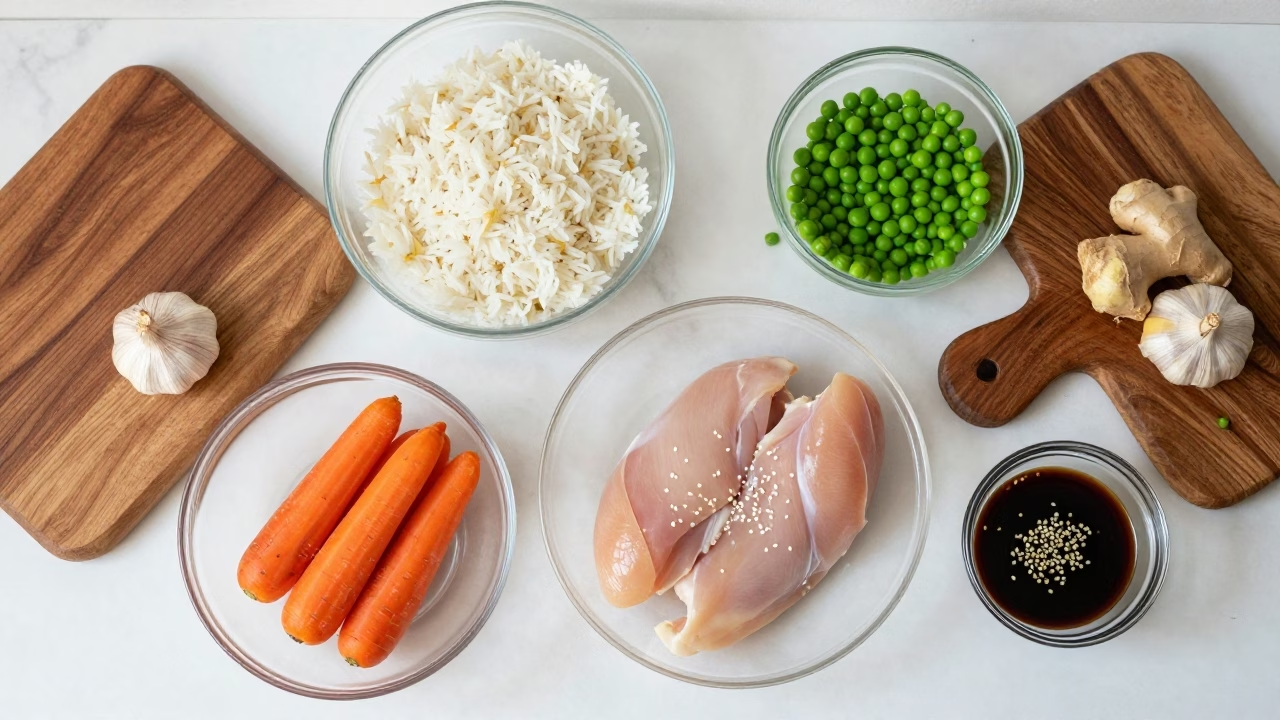
Ingredients for Chicken Fried Rice Hibachi Style
This recipe uses simple ingredients that, when combined with high heat and proper technique, deliver truly spectacular results. The key is in using cold rice and separating your cooking steps.
The Main Components
- Protein: 1 lb boneless, skinless chicken breast or thighs, cut into small bite-sized pieces (thighs stay juicier, but breast is traditional hibachi chicken).
- Rice: 3 cups cooked and chilled long-grain white rice. This is non-negotiable for true fried rice texture.
- Fats: 3 tablespoons high smoke point oil (canola, vegetable, or peanut oil); 2 tablespoons Japanese-style garlic butter (or regular unsalted butter mixed with a teaspoon of minced garlic).
- Aromatics: 1 medium yellow onion, finely diced; 3 cloves garlic, minced (in addition to the butter garlic).
- Vegetables: 1 cup frozen peas and carrots blend (thawed); 1/2 cup chopped scallions/green onions (divided).
- Eggs: 3 large eggs, lightly beaten.
The Signature Hibachi Sauce
- 4 tablespoons low-sodium soy sauce (use Tamari or Coconut Aminos for gluten-free).
- 1 tablespoon oyster sauce (optional, but highly recommended for authentic depth and color, can substitute with vegetarian stir-fry sauce).
- 1 teaspoon sugar (or honey/maple syrup).
- 1/2 teaspoon white pepper.
- 1 teaspoon sesame oil (added off-heat).
How to Make Chicken Fried Rice Hibachi Style
The key to achieving restaurant-quality Chicken Fried Rice Hibachi Style is managing the heat and cooking things in phases. Don’t crowd the pan! We want to sear, not steam. I like to use my largest carbon steel wok, but a heavy-bottomed skilled will do the trick.
Step-by-Step Instructions for the Ultimate Homemade Fried Rice
- Prep the Sauce and Rice: In a small bowl, whisk together the soy sauce, oyster sauce (if using), sugar, and white pepper. Set aside. Ensure your rice is broken up; you don’t want large clumps. Dice your chicken and pat it completely dry.
- Cook the Chicken: Heat 1 tablespoon of cooking oil in your wok or large skillet over high heat. Add the chicken pieces and cook until they are golden brown and fully cooked through, about 4-6 minutes. Remove the cooked chicken and set it aside, leaving any oil/fond in the pan. This flavorful residue is part of the secret.
- Scramble the Eggs: Add 1/2 tablespoon of oil to the same hot pan. Pour in the lightly beaten eggs. Let them sit for a moment to set, then gently scramble until just cooked. Remove the eggs from the pan immediately and set them aside with the chicken.
- Sauté the Aromatics and Vegetables: Add the remaining 1.5 tablespoons of oil along with the 2 tablespoons of garlic butter to the screaming hot pan. When the butter foams and sizzles, add the diced onion and minced garlic. Stir-fry aggressively for about 1 minute until fragrant. Add the thawed peas and carrots. Cook for 2 minutes until the vegetables are slightly softened but still crisp, retaining that lovely bite.
- Fry the Rice: Push the vegetables to one side of the pan. Add the chilled rice to the clear space. Let the rice heat up for 1 minute without stirring. Now, toss the rice and vegetables together, breaking up any remaining clumps. Stir-fry continuously for 3-5 minutes. This high-heat cooking is essential for developing that desirable smoky flavor and ensuring every grain is separate and lightly toasted. This is where we create the structure of our classic hibachi rice dish.
- Combine Everything: Return the cooked chicken and the scrambled eggs to the pan. Pour the prepared Hibachi sauce mixture evenly over the rice, chicken, and vegetables.
- Toss and Finish: Immediately begin tossing the mixture aggressively to coat everything evenly in the dark, savory sauce. Cook for just 1-2 minutes until the sauce is fully absorbed and the rice is heated through. Turn off the heat and drizzle with 1 teaspoon of sesame oil for its distinct nutty aroma.
- Serve: Stir in the chopped green onions (reserve a few for garnish). Serve immediately while it’s still hot and sizzling. The best Chicken Fried Rice Hibachi Style is always served fresh off the heat!
Tips for Perfect Fried Rice Texture
If you remember one thing about making fried rice, remember this: use cold, day-old rice. Freshly cooked rice has too much moisture and turns sticky and mushy when stir-fried. Store your cooked rice loosely covered in the refrigerator overnight. The drying process is what gives you that signature, individual grain texture. We are aiming for a satisfying chew, not goo. Many cooks miss this critical step when attempting their easy hibachi dinner at home, but it makes all the difference! If you’re short on time, you can also spread freshly cooked rice thinly on a baking sheet and pop it into the freezer for about 15-20 minutes to rapidly cool and dry it out.
Pro Tips & Variations for Your Homemade Hibachi Rice
Making this dish is straightforward, but a few professional tweaks can elevate it from typical takeout fare to a spectacular restaurant quality stir-fry. These tips come from trial and error in my own kitchen, driven mostly by Adams constantly critiquing whether it tasted ‘exactly like the restaurant.’
Mastering the Sizzle: The Hibachi Technique
1. Maximize the Heat: Use the highest heat your stove allows. If you feel hesitant, start high and back off, but generally, fried rice works best on high heat. The goal is to cook fast and hot to activate the Maillard reaction (browning) and create a slightly charred ‘wok hei’ flavor. Using a large enough pan or wok is also key; the food needs room to move and contact the hot surface directly.
2. The Magic of Butter: Don’t skip the butter, especially the garlic butter. The combination of high-smoke-point oil (for cooking) and butter (for flavor) is characteristic of the hibachi preparation and gives this savory fried rice its richness. If you can only use regular unsalted butter, simply add an extra clove of finely minced garlic during the sautéing stage.
3. Use Quality Soy Sauce: The flavor impact of soy sauce is immense here. I recommend a low-sodium version so you can control the salt content, or consider trying usukuchi shoyu, a lighter Japanese soy sauce common in this type of cooking, which offers a slightly different, cleaner flavor profile to this delicious rice and chicken meal.
Delicious Variations and Dietary Adjustments
Hibachi Steak and Chicken Fried Rice: Want to level up the protein? Cook small pieces of steak (like Sirloin or Filet) separately before you start the rice, and add both the steak and the chicken back in Step 6. This creates a delightful Hibachi steak and chicken combination dinner.
Vegetarian Fried Rice: This dish is easily adapted. Omit the chicken entirely or substitute it with firm tofu, cubed and pan-fried until crispy, or use meaty mushrooms like shiitake or cremini. Use a liquid amino or vegetarian stir-fry sauce instead of oyster sauce. The rest of the process remains the same! It’s a wonderful, hearty meat-free meal.
Gluten-Free Option: Simply swap the traditional soy sauce for Tamari or Coconut Aminos. Ensure that any oyster sauce or stir-fry sauce you use is explicitly labeled gluten-free, as many contain wheat. The rest of the ingredients are naturally safe for those with gluten sensitivities.
Spicy Hibachi Fried Rice: For those who like a kick, add a tablespoon of Sriracha or a few dashes of chili garlic sauce to your sauce mixture, or toss in some finely diced fresh jalapeños with the onions and garlic. This brings a wonderful heat that complements the savory notes, much like the Crispy Bang Bang Chicken recipe we love.
Add Extra Veggies: This is a versatile base for customization. Toss in finely chopped cabbage, bean sprouts, or bell peppers when you sauté the onions. This boosts the nutritional value and adds satisfying crunch to your colorful hibachi fried rice. The only rule is to avoid high-water-content vegetables like zucchini until the very end, as they can steam the rice.
Chicken Fried Rice Hibachi Style Serving Suggestions
This Chicken Fried Rice Hibachi Style is quite the complete meal on its own, containing protein, carbs, and vegetables. However, to truly recreate that full hibachi or Japanese steakhouse experience at home, you need to include a few flavorful accompaniments. Serving great sides turns a simple dinner into a family event. Jana loves the sides almost as much as the main course, especially anything with a dipping sauce!
The Essential Sauces
No hibachi meal is complete without two key sauces:
- The Yum Yum Sauce: Also known as Japanese pink sauce. This creamy, tangy, and slightly sweet condiment is mandatory for dipping your chicken or drizzling generously over the rice. You can easily make a homemade version with mayonnaise, tomato paste, butter, paprika, and a touch of sugar and vinegar. We use this on basically everything!
- The Ginger Salad Dressing: That iconic, refreshing orange dressing served on the small side salad. It’s usually made from carrots, ginger, celery, and rice vinegar. A small serving of iceberg lettuce dressed with this offers a refreshing bite between forkfuls of rich fried rice.
Perfect Pairing Sides
Japanese Clear Soup or Miso Soup: Begin your meal just like at the steakhouse with a small bowl of savory, clean clear soup, typically broth-based with mushrooms and scallions, or the more widely known miso soup. It primes the palate beautifully for the richer fried rice.
Light Steamed Vegetables: To contrast the richness of the fried rice, serve simple steamed broccoli or asparagus spears. Sometimes the hibachi restaurants serve quick-sautéed zucchini, which works wonderfully here too. The goal is to provide a fresh counterbalance.
Extra Protein Delights: If you are planning a celebratory meal, consider serving the rice alongside a Grilled Chicken Skewer or some quick, pan-seared shrimp cooked in more of that delicious Hibachi garlic butter. Serving an array of proteins brings that true combination platter feel home. This elevates the dish well beyond a simple take-out alternative and establishes it as a gourmet experience.
Remember, the presentation matters! Serve the dish steaming hot, maybe even arranging the rice in a small mound and garnishing generously with fresh scallions and a sprinkle of toasted sesame seeds. It makes the whole family feel like they’re seated at a five-star Teppanyaki style restaurant. The presentation creates excitement before the first bite, and that’s what cooking for family is all about.
Chicken Fried Rice Hibachi Style Storage & Reheating
While fried rice is best enjoyed immediately, leftovers are inevitable, especially when I make a big batch. Thankfully, this dish reheats remarkably well, making it a perfect candidate for meal prep for busy school and work days.
Storing Leftovers
Once cooled to room temperature (within two hours of cooking), transfer the leftover chicken and egg fried rice into an airtight container. It can be safely stored in the refrigerator for up to 3-4 days. I wouldn’t recommend freezing fried rice, as the texture of the rice grains tends to deteriorate upon thawing, resulting in a slightly mushy consistency.
The Best Way to Reheat Fried Rice
The microwave works in a pinch, but it can dry out the rice and make the chicken tough. For the best results that retain the flavor and texture of this homemade hibachi dinner, reheat using a skillet:
- Skillet Method (Recommended): Heat a tablespoon of vegetable oil or, even better, a half-tablespoon of garlic butter in a non-stick skillet or wok over medium-high heat.
- Add the leftover fried rice and spread it out evenly.
- Stir-fry for 3-5 minutes, breaking up any clumps, until the rice is steaming hot throughout. The goal is a quick re-fry, which helps recapture some of that delicious crispy texture.
If the rice seems a little dry, sprinkle a teaspoon of water or chicken broth over the top while reheating to introduce a touch of steam, ensuring everything stays moist and enjoyable. This method guarantees a flavorful reprise of your easy chicken stir fry.
FAQ about Chicken Fried Rice Hibachi Style
I get a lot of questions from readers trying to perfect their fried rice technique. Here are the most frequent ones, particularly those focused on achieving that authentic Japanese steakhouse flavor.
What is the ‘secret’ ingredient in hibachi fried rice?
The core secret is usually twofold within the best Chicken Fried Rice Hibachi Style. First, it’s the generous use of garlic butter during the cooking process. Second, many commercial recipes use a touch of chicken bouillon or chicken powder dissolved in a small amount of water or soy sauce, which enhances the umami flavor dramatically. A tiny dash of MSG is sometimes used by restaurants but can be substituted effectively with high-quality oyster sauce or a good bouillon cube.
Why does my fried rice get mushy and sticky?
Mushy fried rice is almost exclusively caused by using freshly cooked, warm rice. Warm rice contains too much moisture. To prevent this, always, always plan and use rice that has been cooked, cooled, and refrigerated overnight. This slight dehydration is what allows the rice grains to fry and separate beautifully under high heat, providing that ideal bite for your quick and easy fried rice.
Can I use brown rice for this recipe?
Yes, you can substitute cooked and chilled brown rice, but understand that the texture will be a bit chewier and less traditional than the restaurant style, which relies on white, long-grain rice (like Jasmine or Basmati). Brown rice requires slightly longer cooking time to crisp up and soak in the flavors. You might also need an extra tablespoon of sauce to ensure it is fully coated.
How do I get the chicken pieces to be tender and juicy?
The trick to tender hibachi chicken is not overcooking it and patting it dry before searing. Make sure your pan is very hot when the chicken hits it; this creates a quick sear and locks in the juices. Additionally, cutting the chicken into small, uniform pieces ensures quick and even cooking. By removing the chicken before adding the rice, you prevent it from boiling or steaming, which is what causes toughness. This applies to any stir-fry, whether it’s this dish or a Homemade Butter Chicken.
What is the difference between regular fried rice and hibachi style?
While both are stir-fried rice dishes, Hibachi Style Fried Rice (or Teppanyaki) often uses Japanese-style butter and is cooked specifically on a flat griddle (teppan), which imparts a distinct flat-top seared flavor. Generally, it features a more focused set of ingredients (onion, egg, carrot, peas) and is richer due to the butter, whereas Chinese American fried rice might contain more diverse vegetables, a darker soy sauce base, and often does not rely on butter for richness.
Final Thoughts: The Joy of the Kitchen Sizzle
Cooking, for me, has always been about making connections. Whether it’s reminiscing about my Grandmother’s massive smoker or watching Jana and Adams devour a plate of their favorite Chicken Fried Rice Hibachi Style, the real joy is in the sharing. There’s a moment when the rice hits that hot wok, and you hear that beautiful, loud sizzle, and the scent of garlic butter and soy sauce fills the house. In that instant, we’re not just eating dinner, we’re making a memory.
This recipe is proof that you don’t need a fancy restaurant reservation or a massive stainless-steel flattop to create authentic, incredible flavor. You just need a hot pan, good ingredients, and a willingness to stir-fry with joyful abandon. It’s a guaranteed win for any weeknight, proving once again that cooking isn’t just about food, it’s about making people happy and creating traditions right here at home.
Give this recipe a try this week. I promise it will quickly become a family favorite. If you love this simple homemade hibachi chicken fried rice, please share your thoughts below! Don’t forget to save this recipe to your Pinterest board and tell your friends about MisterRecipes.com. Happy cooking!
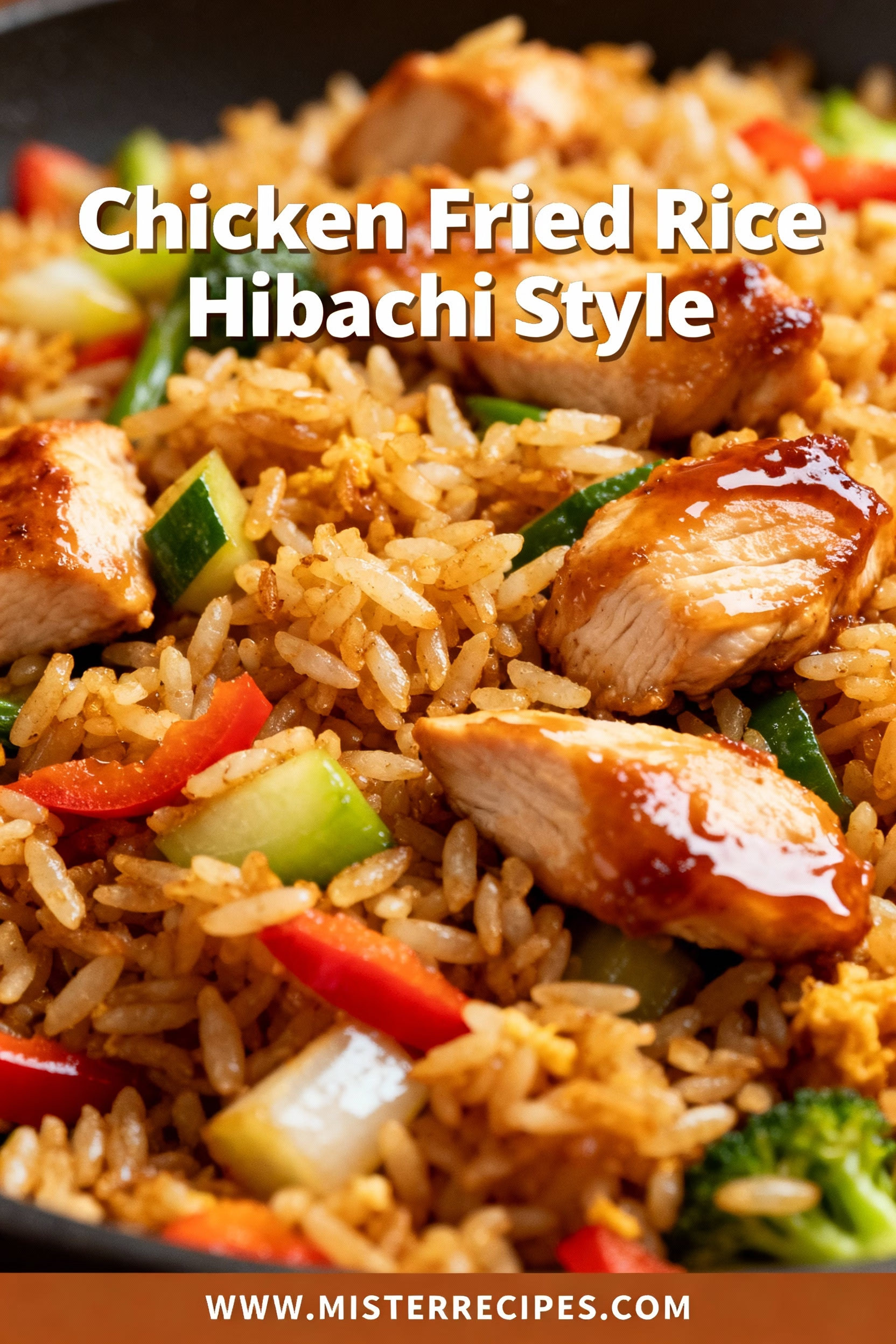

Chicken Fried Rice Hibachi Style
Ingredients
Equipment
Method
- Prepare the sauce and rice: In a small bowl, whisk together the soy sauce, oyster sauce (if using), sugar, and white pepper. Set aside. Ensure your rice is broken up; you don’t want large clumps.
- Cook the chicken: Heat 1 tablespoon of cooking oil in your wok or large skillet over high heat. Add the chicken pieces and cook until golden brown and fully cooked through, about 4-6 minutes. Remove the cooked chicken and set it aside, leaving any oil/fond in the pan.
- Scramble the eggs: Add 1/2 tablespoon of oil to the same hot pan. Pour in the lightly beaten eggs, let them set briefly, then gently scramble until just cooked. Remove the eggs and set aside with the chicken.
- Sauté aromatics and vegetables: Add the remaining 1.5 tablespoons of oil along with the 2 tablespoons of garlic butter to the hot pan. When the butter foams, add the diced onion and minced garlic. Stir-fry for 1 minute until fragrant. Add the peas and carrots and cook for 2 minutes until slightly softened but still crisp.
- Fry the rice: Push the vegetables to one side of the pan. Add the chilled rice to the clear space, letting it heat for 1 minute. Toss the rice and vegetables together, breaking up clumps. Stir-fry continuously for 3-5 minutes until the rice is lightly toasted and separate.
- Combine everything: Return the cooked chicken and scrambled eggs to the pan. Pour the prepared Hibachi sauce mixture evenly over the rice, chicken, and vegetables.
- Toss and finish: Immediately begin tossing the mixture aggressively to coat everything evenly in the sauce. Cook for 1-2 minutes until heated through. Turn off the heat and drizzle with sesame oil. Serve immediately, garnished with chopped green onions.