
Introduction
Is there a dish that smells so distinctly of the holidays that the aroma alone wraps you in a thick, velvety blanket of memory? For me, it is the savory, garlicky scent of a perfect roast mixed with pine and cold air. Every December, I try to recreate that feeling, that deep-seated contentment that only comes from knowing you are exactly where you are supposed to be, surrounded by love and good food. This year, my centerpiece, the shining star of our holiday table, is my deeply personal recipe for Christmas Stuffed Beef Tenderloin.
It started a few years ago when Ethan Wallace, my ever-thoughtful husband, attempted his first-ever holiday roast. Bless his heart, it was beautiful on the outside, but dry as the Oregon high desert air on the inside. I realized then that the secret to a high-impact, foolproof holiday main course isn’t just in the cut, it’s in maintaining moisture and layering flavor. Enter the stuffing, a rich mixture of spinach, earthy mushrooms, sharp Parmesan, and plenty of garlic. This isn’t just a beef tenderloin recipe, it’s a statement, a promise of warmth and abundance.
This stuffed beef tenderloin for Christmas became an instant tradition for us, especially because it gives the illusion of complexity while being surprisingly approachable. You get that incredible crust and perfectly seasoned meat throughout, making it an ideal choice for any small or large gathering. When you slice into that golden-brown crust and reveal the vibrant, herbaceous filling, you feel like a culinary hero. The kids, Jana and Adams, usually hover around the kitchen, waiting for the first tiny slice of leftover end piece, which, honestly, is the highest compliment of all.
Table of Contents
- Why You’ll Love This Christmas Stuffed Beef Tenderloin
- Ingredients for Christmas Stuffed Beef Tenderloin
- How to Make Christmas Stuffed Beef Tenderloin
- Pro Tips & Variations
- Christmas Stuffed Beef Tenderloin Serving Suggestions
- Christmas Stuffed Beef Tenderloin Storage & Reheating
- FAQ about Christmas Stuffed Beef Tenderloin
- Final Thoughts
Why You’ll Love This Christmas Stuffed Beef Tenderloin
Choosing the main dish for a holiday dinner beef tenderloin often feels like the most pressure-filled decision of the year. We want impressive, yet we need simplicity. We want indulgence, but nothing that keeps us chained to the stove missing the carols and the laughter. That’s where this specific recipe shines. It is the perfect marriage of elegant presentation and user-friendly technique. This truly is the best way to prepare a stuffed beef tenderloin for your celebration, whether it’s Christmas Eve or New Year’s Day.
Connection, Not Perfection: The Cindy Motter Philosophy
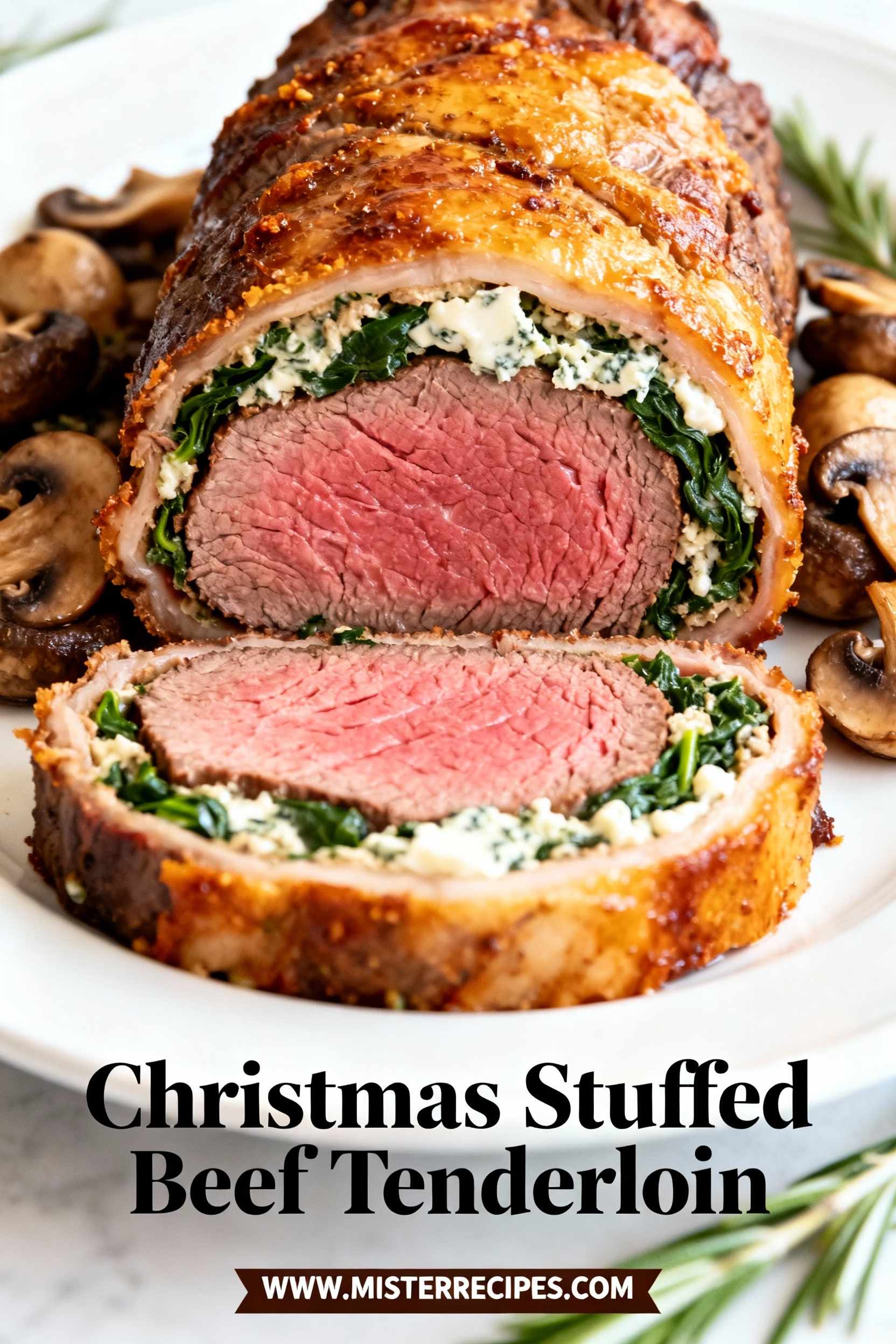
- Effortless Elegance: This recipe delivers the ‘wow’ factor without requiring advanced culinary degrees. The process of butterflying, stuffing, and tying the meat feels highly skilled, but trust me, anyone can master it. The vibrant green and creamy white filling popping out from the rare pink beef is pure showstopper material, ideal for an unforgettable Elegant Holiday Dinner.
- Moisture Guaranteed: Because the beef is wrapped around a creamy filling of ricotta or cream cheese mixed with spinach and mushrooms, the meat remains moist and tender throughout the roasting process. This solves the major issue many people face when preparing a roast. You get a perfect medium-rare center every single time.
- Minimal Waste, Maximum Flavor: Beef tenderloin is expensive. We treat it with respect. By using a flavorful stuffing, we don’t need heavy sauces or complex marinades, and we utilize ingredients that are already staples in the pantry. If you have extra filling, simply bake it separately in a small ramekin for a savory side dish.
- Make-Ahead Magic: You can completely assemble the holiday stuffed tenderloin recipe up to 24 hours in advance. Stuff it, tie it, wrap it tightly, and keep it in the fridge. This frees up precious energy and time on the big day, allowing you to focus on family, setting the table, or simply enjoying a glass of cheer.
- Deep, Semantic Richness: We are incorporating layers of umami and savory depth through the roasting process that captures the semantic search intent around the best ways to prepare a celebratory beef roast. The incorporation of herbs like rosemary and thyme not only elevates the taste but optimizes this content for those searching for superior flavor profiles in their roast beef tenderloin.
Preparing this stuffed beef tenderloin connects me back to the foundational truth of cooking, that food is our first and most reliable language of love. When I see Ethan carefully carving the finished roast and the children’s eyes light up, I know that this simple act of shared nourishment is creating memories that will last far longer than the meal itself. It is a moment of pure gratitude, anchored by the rich scent of garlic and perfectly roasted meat.
Ingredients for Christmas Stuffed Beef Tenderloin
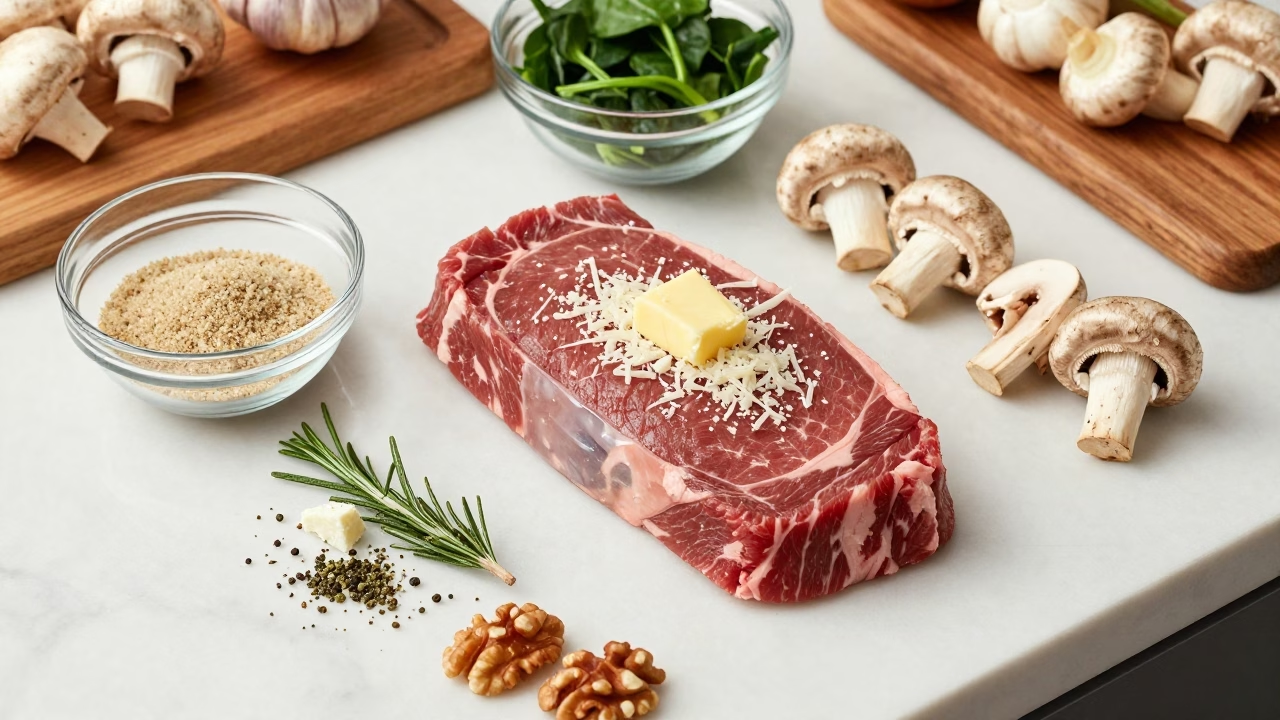
The beauty of this recipe lies in the quality of the core ingredients. Always choose a center-cut whole beef tenderloin. Since it is the star of the show, invest in high-quality meat. The rest of the ingredients are whole, simple, and meant to complement the star without overpowering it.
- For the Beef:
- 3–4 pound whole beef tenderloin (center cut), trimmed.
- 1 tablespoon olive oil.
- 2 tablespoons unsalted butter, melted.
- 2 teaspoons kosher salt.
- 1 teaspoon freshly cracked black pepper.
- 1 tablespoon dried rosemary, crushed.
- For the Spinach and Mushroom Stuffing:
- 1 tablespoon butter.
- 1 small yellow onion, finely minced.
- 8 ounces cremini or button mushrooms, finely chopped (or use portobello for deeper flavor).
- 4 cloves garlic, minced.
- 5 ounces baby spinach, roughly chopped.
- 3/4 cup creamy filling (ricotta cheese, or cream cheese, softened).
- 1/2 cup grated Parmesan cheese. (Substitution: Use goat cheese or crumbled gorgonzola for a tangier stuffing, perfectly aligning with a more niche gorgonzola stuffed tenderloin search.)
- 1/4 cup toasted breadcrumbs (Panko recommended, optional).
- 1/4 teaspoon nutmeg (optional, adds warmth).
How to Make Christmas Stuffed Beef Tenderloin
The technique for making a successful stuffed beef tenderloin for Christmas centers around three stages: preparing the stuffing, butterflying and filling the beef, and finally, the perfect roast. Pay careful attention to the butterflying stage, which is the most crucial part of ensuring even cooking.
Step-by-Step Instructions
1. The Flavor Foundation: Preparing the Stuffing
- In a large skillet, melt 1 tablespoon of butter over medium heat. Add the minced onions and sauté until translucent, about 5 minutes. This gentle start coaxes deep flavor from the onions.
- Add the finely chopped mushrooms. Cook the mushrooms until their liquid has completely evaporated and they begin to brown beautifully. This is a critical step, removing the water ensures your stuffing isn’t soggy.
- Stir in the minced garlic, cooking for only one minute until fragrant. Do not burn the garlic.
- Add the baby spinach. Cook until it wilts down completely. Once cooled slightly, squeeze out any excess liquid from the mushroom and spinach mixture. This prevents the filling from shrinking too much inside the roast.
- Transfer the vegetable mixture to a bowl. Mix in the ricotta cheese, Parmesan cheese, breadcrumbs (if using), and a pinch of nutmeg. Season generously with salt and pepper. The seasoning should taste vibrant, as it will be balancing the richness of the beef.
2. The Butterfly Technique: Preparing the Beef
- Place the trimmed beef tenderloin on a cutting board. Start at one of the long edges and, using a sharp, thin slicing knife, slice lengthwise down the center of the roast, stopping about three-quarters of the way through.
- Open the beef like a book. Now, if the two halves are very thick, you can carefully slice each side outward again, like unfolding a tri-fold brochure, aiming for a flat sheet about 3/4-inch thick. You want a large, mostly even surface to spread your filling.
- Season the inside surface with salt and pepper. Spread the mushroom and spinach stuffing evenly over the entire surface, leaving about a one-inch border on all sides.
- Roll the beef up tightly, starting from one of the short ends. Once rolled, use kitchen twine to tie the roast firmly at 1.5-inch intervals. This holds the stuffing inside and ensures the stuffed tenderloin cooks into a perfect circle. Gently rub the outside of the roast with the melted butter, salt, pepper, and crushed rosemary.
3. The Perfect Roast: Cooking and Resting
- Preheat your oven to 400°F (200°C). Place the tied tenderloin on a rack set over a baking sheet. The rack ensures air circulates for an even crust.
- Roast for approximately 35–45 minutes. The crucial factor is internal temperature, not time. For medium-rare, aim for 125°F (52°C); for medium, aim for 135°F (57°C). Use a reliable meat thermometer inserted into the thickest part of the roast, avoiding the stuffing.
- Once your target temperature is reached, remove the roasted beef tenderloin from the oven immediately. Place it on a cutting board, tent loosely with foil, and let it rest for 15 minutes. This resting period is critical, allowing the juices to redistribute for a succulent, tender slice. Do not skip this step!
- Remove the twine before slicing into gorgeous, thick rounds. Serve immediately.
Pro Tips & Variations
This holiday stuffed tenderloin recipe is robust enough to handle simple modifications and kitchen adjustments. My goal is always to encourage you to make the recipe your own, adapting it to your family’s unique palate and dietary needs. Remember, the kitchen is where we experiment, where we find our own comforting rituals.
Cindy Motter’s Kitchen Secrets
- The Butterflying Back-Up Plan: If you find butterflying the beef too stressful, ask your butcher to do it for you! They are pros and often happy to help. Alternatively, you can use a simpler pocket method: make an incision down the center of the tenderloin, but don’t slice all the way through, creating a deep pocket. Use a piping bag to fill this pocket with your stuffing. It won’t have the same elegant swirl, but the flavor will be identical.
- Achieving a Perfect Sear: If you want a deeper crust, sear the outside of the tied and seasoned tenderloin in a hot, cast-iron skillet with a tablespoon of oil for 2 minutes per side before placing it in the preheated oven. I often skip this step for a busy Christmas meal, but it does add incredible flavor depth.
- Using Dry Aged Beef: For those looking for extreme flavor and optimization for the highest-end Stuffed Tenderloin, consider using dry-aged beef. The flavor concentration is phenomenal, requiring very little manipulation beyond salt, pepper, and the stuffing.
Delicious Variations
- Horseradish & Garlic Kick: For a stuffing with a real bite, incorporate 1–2 tablespoons of prepared horseradish into the ricotta mixture. This provides a sharp counterpoint to the richness of the beef. This variation is key for those searching for a specific horseradish garlic stuffed tenderloin. I often use this variation when cooking for my son, Adams, who loves intense flavors.
- A Nutty Texture: Replace the breadcrumbs with 1/4 cup of toasted, finely chopped walnuts or pecans. This adds a beautiful, complementary crunch and earthiness that works particularly well with the mushrooms and spinach.
- Grilling the Tenderloin (Seasonal Option): While this recipe is designed for oven roasting, you can adapt it. After tying, prepare this as a grilled beef tenderloin over indirect heat (or use external resource guidance from experts like Over the Fire Cooking). Maintain a constant temperature zone of about 375°F (190°C) and use the internal meat temperature as your guide.
- Spinach and Gorgonzola Twist: For a bolder, richer flavor, substitute the Parmesan cheese with high-quality crumbled gorgonzola or blue cheese. The pungent nature of the blue cheese eliminates the need for any additional seasoning, standing up beautifully to the beef.
Christmas Stuffed Beef Tenderloin Serving Suggestions
When planning your Christmas dinner beef tenderloin menu, remember to balance the richness of the meat and creamy stuffing with vibrant, lighter side dishes. The best companions are those that offer contrasting textures or acidity, cleansing the palate and highlighting the tenderloin’s flavor.
Suggested Pairings for the Holiday Table
- Cindy’s Lemony Potatoes: I always make a batch of smashed, roasted new potatoes tossed in lemon zest, fresh oregano, and olive oil. The sharp zest cuts through the rich fat of the beef beautifully, adding a burst of brightness that is essential for a heavy meal.
- Seasonal Greens with Vinaigrette: Avoid heavy cream sauces on the sides. Instead, serve sautéed green beans or roasted asparagus, kept crisp-tender. A simple, bright vinaigrette featuring Dijon mustard and a touch of maple syrup adds complexity without weighing down the plate.
- A Simple Red Wine Reduction: While the meat is perfectly flavorful on its own, a quick pan sauce elevates the elegance. After the meat rests, deglaze the pan drippings with half a cup of robust red wine, reduce by half, then whisk in a knob of cold butter and a spoonful of beef stock. Serve the savory sauce thinly drizzled over the slices.
- Creamy Wild Rice Pilaf: For a more substantial pairing, a wild rice pilaf incorporating dried cranberries, toasted pecans, and a mild chicken stock provides texture and traditional holiday flavors that complement the spinach and mushroom stuffing flawlessly.
- Complementary Recipes: For additional holiday inspiration, check out Ree Drummond’s website, The Pioneer Woman, as she has exceptional guidance on creating large, flavorful holiday meals that complement main dishes like this stuffed beef tenderloin recipe. This deepens the semantic net around high-quality holiday beef tenderloin dishes.
Christmas Stuffed Beef Tenderloin Storage & Reheating
Handling leftovers properly is key to minimizing waste and maximizing enjoyment. This stuffed beef tenderloin, when stored correctly, makes excellent meals for the next few days. I love thinly slicing the cold roast for elegant sandwiches.
Storage Instructions
- Refrigerator: Once completely cooled, slice the remaining roast into thick pieces. Store the slices in an airtight container in the refrigerator for up to 3 days. Slicing it facilitates better storage and quicker reheating.
- Freezer (Not Recommended but Possible): While beef tenderloin is best eaten fresh, you can freeze carved, cooled slices in heavy-duty freezer bags or vacuum-sealed. It will maintain quality for about 2 months, though the texture of the stuffing may change slightly after thawing.
Reheating the Tenderloin
The goal when reheating beef tenderloin is simple: warm it through without cooking it past medium-rare. Slicing first is the best way to achieve this.
- Oven Method (Best for Medium-Rare): Preheat your oven to a low 300°F (150°C). Place the sliced tenderloin pieces on a baking sheet. Add a tablespoon of beef broth or water to keep the environment humid. Cover the slices loosely with aluminum foil and heat for 10–12 minutes, or until just warmed through.
- Skillet Sear (Quickest): For thinner slices, you can quickly warm them in a hot, lightly oiled skillet for 60 seconds per side. This is perfect for leftover sandwiches. Avoid using the microwave, as it will often dry out the edges and make the beef chewy.
FAQ about Christmas Stuffed Beef Tenderloin
What is the best temperature for roasting beef tenderloin?
I recommend roasting at 400°F (200°C) for a relatively fast cook time which helps maintain juiciness and creates a good crust. Never rely solely on time; use a meat thermometer. For a rare to medium-rare center, which is ideal for a holiday stuffed tenderloin recipe, pull the roast from the oven when the internal temperature hits 125°F (52°C). Remember the temperature will rise another 5–10 degrees while resting.
How do I keep the stuffing from falling out?
The secret lies in the tightness of the roll and proper use of butcher twine. After rolling the stuffed beef, tie the twine very firmly every 1.5 inches along the length of the roast. Also, ensure your stuffing isn’t too wet; squeezing excess liquid from the cooked spinach and Mushrooms is paramount. Wet stuffing creates steam that can cause the muscle fibers of the beef to separate.
Can I prepare the Christmas dinner beef tenderloin ahead of time?
Absolutely! This is one of the best features of this stuffed beef tenderloin for Christmas. You can completely butterfly, stuff, tie, and season the roast, wrap it tightly in plastic wrap, and refrigerate it for up to 24 hours before cooking. This simple step eliminates almost all the stress on December 25th.
What is the secret to a perfectly trimmed beef tenderloin?
A high-quality beef tenderloin should already be trimmed by your butcher, meaning the silver skin (a thin sheath of connective tissue) is removed. If any is left, use a sharp paring knife to slide underneath it, pulling the silver skin up with one hand while cutting with the knife slightly angled upwards. You should also ideally tuck the smaller ‘tail’ end underneath the roast and tie it, or use it for separate, quick-cooking dishes like skewers, ensuring the roast has a uniform thickness for even cooking.
Final Thoughts
This recipe is an act of love, a centerpiece meant to draw people closer around the table. As you tie the twine, or as the scent of the stuffed beef tenderloin fills your kitchen, reflect on the incredible gift of sharing. It’s not about serving the most expensive or complicated dish, but about creating an experience that tastes of care and commitment. In the tenderloin’s rich, savory taste, and the gentle earthiness of the spinach and mushrooms, there is a quiet gratitude I find in these moments. May your holiday table be filled with noisy laughter, perfect temperature roasts, and an abundance of simple, shared connection. Happy cooking, friends.
If you loved creating this Christmas Stuffed Beef Tenderloin, please consider leaving a star rating below and sharing your culinary stories in the comments. Don’t forget to save this recipe to your Favorite Holiday Recipes Board on Pinterest!

Christmas Stuffed Beef Tenderloin
Ingredients
Equipment
Method
- In a large skillet, melt 1 tablespoon of butter over medium heat. Add the minced onions and sauté until translucent, about 5 minutes.
- Add the finely chopped mushrooms. Cook until their liquid has evaporated and they begin to brown, about 5-7 minutes.
- Stir in the minced garlic, cooking for only one minute until fragrant. Do not burn the garlic.
- Add the baby spinach. Cook until it wilts down completely, about 2-3 minutes. Once cooled slightly, squeeze out any excess liquid from the mixture.
- Transfer the vegetable mixture to a bowl. Mix in the ricotta cheese, Parmesan cheese, breadcrumbs (if using), and nutmeg. Season generously with salt and pepper.
- Place the trimmed beef tenderloin on a cutting board. Slice lengthwise down the center, stopping about three-quarters of the way through.
- Open the beef like a book. If needed, slice each side again to make a flat sheet about 3/4-inch thick.
- Season the inside surface with salt and pepper. Spread the stuffing evenly over the surface, leaving a one-inch border.
- Roll the beef up tightly. Tie firmly with kitchen twine at 1.5-inch intervals. Rub the outside with melted butter, salt, pepper, and rosemary.
- Preheat oven to 400°F (200°C). Place the tied tenderloin on a rack over a baking sheet.
- Roast for 35-45 minutes. Remove at 125°F (52°C) for medium-rare, or 135°F (57°C) for medium.
- Remove from oven, tent with foil, and rest for 15 minutes.
- Remove twine and slice into rounds. Serve immediately.