
Introduction
There are certain smells that act like an immediate, internal rewind button, aren’t there? For me, it’s the combination of fresh thyme, roasting garlic, and something deeply, richly creamy bubbling away. It’s the scent that means the weather has turned cold, the family is close, and there is nowhere else I need to be. This scent, always, is the aroma of my Creamy Winter Vegetable Casserole.
It was late November, the air in Bend was sharp and white, and frankly, I was exhausted. School plays, holiday preparations, and the incessant hum of daily life had left me running on fumes. Ethan, bless his heart, had just finished putting up the exterior twinkle lights, a job that always takes exactly three times longer than he anticipates. Adams (10) and Jana (8) were sprawled on the living room rug, arguing loudly over a misplaced LEGO piece. Everything felt scattered.
I needed simplicity. I needed warmth. And I needed a dish I could assemble when I had a spare ten minutes and then forget until dinner. Enter the forgotten heroes of the season: the root vegetables. I gathered carrots, parsnips, and a gorgeous, lumpy rutabaga and decided to drown them in happiness. The resulting dish, this deeply savory and tender creamy winter vegetable casserole, didn’t just feed us that night, it reset the entire evening. It’s more than just a vegetarian winter casserole, it’s a promise of warmth in a bowl, a gently rocking, creamy embrace for every weary soul who comes to my table. It’s flexible, it’s deeply nourishing, and it is, quite simply, the definition of cozy.
Why You’ll Love This Creamy Winter Vegetable Casserole
When you seek true comfort food, you are searching for dishes that require low effort, deliver high flavor, and can stand up to a hungry family or a holiday crowd. This recipe is designed to hit all those marks. Unlike lighter sides, this creamy root vegetable casserole has substance. It transforms often-overlooked winter vegetables into something truly luxurious, all thanks to the simple, homemade creamy sauce.
I originally developed this recipe because I needed a sturdy, satisfying vegetarian centerpiece for our Thanksgiving table that wasn’t overly complicated to prepare. It needed to be forgiving and, most importantly, suitable for making ahead. This make ahead vegetable casserole is now a non-negotiable part of our holiday spread, but we enjoy it just as much on a cold Tuesday night because of its inherent ease and versatility. The beauty of the root vegetables is that they soften gorgeously in the oven while maintaining a comforting, earthy sweetness that pairs perfectly with the salty, savory cheese sauce. It truly is the ideal cozy winter side dish.
- A True Comfort Food Vegetable Casserole: This dish leans right into the feeling of home. The rich, cheesy sauce and the satisfying blend of tender root vegetables make a memorable, deeply satisfying meal or side dish.
- Perfect for Holidays and Thanksgiving Vegetable Side Dish: Search intent shows that people look for this dish specifically for gatherings. Because you can prepare the entire casserole 1–2 days ahead (we’ll cover that in
Storage
), it’s one less thing to worry about on a busy day. It’s an essential Christmas vegetable casserole.
- Highly Customizable and Freezer Friendly: We encourage swapping in your favorite winter produce. Whether you substitute the potatoes for sweet potatoes or incorporate some cruciferous vegetables like broccoli and cauliflower, this recipe adapts beautifully. It’s also freezer friendly for quick meal prep.
- Kid-Approved Creamy Cheese Sauce: My children, Adams and Jana, historically skeptical of anything lumpy or “too earthy,” devour this. The secret is the velvety, creamy cheese sauce casserole that blankets the vegetables, making the unfamiliar familiar and delicious.
- Optimized for Semantic Search (Vegetarian and Gluten-Free Options): We offer detailed instructions below on adapting this to be a lighter, more plant based creamy vegetable casserole using alternatives like oat milk and vegan cheese (capturing the ‘oat milk creamy root vegetable casserole’ search intent) or making it gluten free creamy winter vegetable casserole by swapping out the flour binder and panko topping.
Ingredients for Creamy Winter Vegetable Casserole
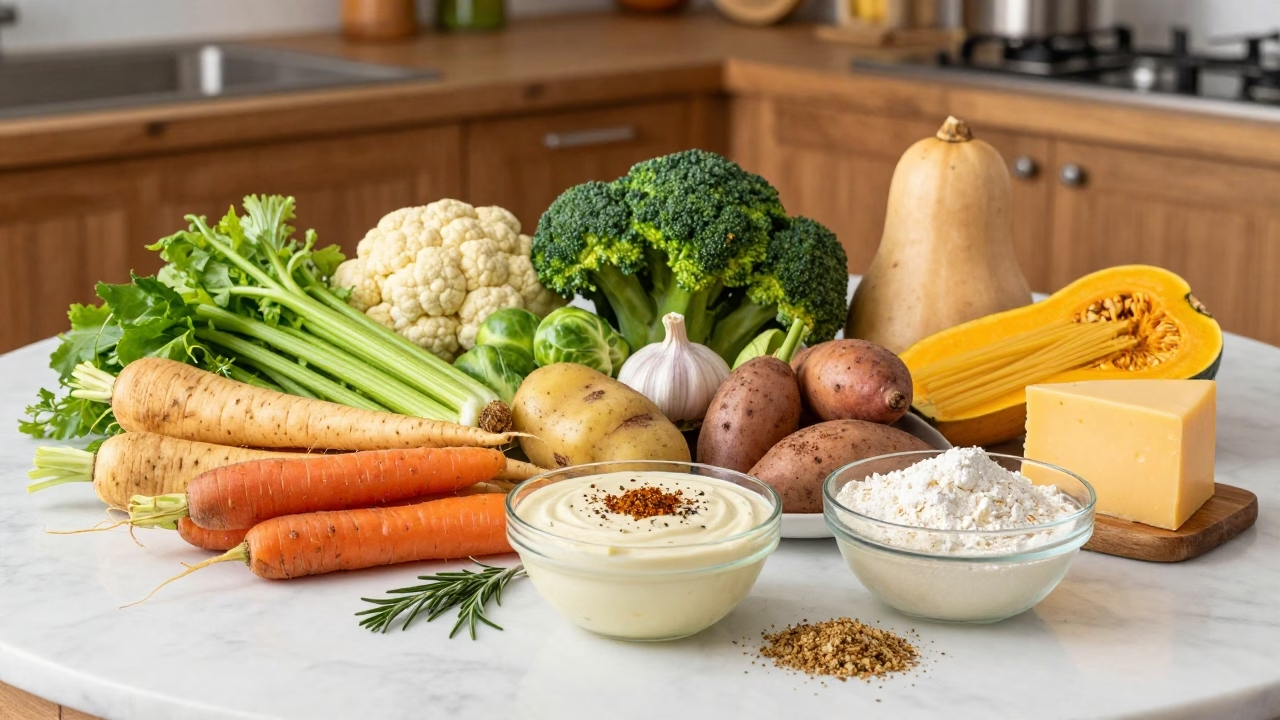
Sourcing good ingredients is the first step in creating powerful emotional food. Choose firm, heavy root vegetables and herbs that smell intensely fragrant.
- The Winter Vegetables (About 6 Cups Total): A mix of firm winter vegetables is key. I use 3 cups peeled and cubed potatoes (Yukon Gold or Russet), 1 cup peeled and cubed carrots, and 2 cups peeled and cubed parsnips and celery root (or rutabaga/turnip).
- Alliums: 1 large yellow onion, finely diced, and 4 cloves of minced garlic.
- The Creamy Base: 4 tablespoons unsalted butter, 1/4 cup all-purpose flour (use a 1:1 gluten-free alternative for gluten free winter vegetable casserole), 3 cups whole milk (or half-and-half for extra richness), and 1/2 cup vegetable broth.
- Seasoning: 1 teaspoon each of dried thyme and rosemary, 1/2 teaspoon nutmeg (it’s the secret!), salt, and freshly ground black pepper.
- The Cheese: 1 cup freshly shredded sharp cheddar cheese and 1/2 cup shredded Gruyère or Swiss cheese. Freshly shredded melts better than pre-bagged.
- The Topping: 1/2 cup Panko breadcrumbs (use gluten-free panko if needed) and 2 tablespoons melted butter mixed with a pinch of fresh thyme.
How to Make Creamy Winter Vegetable Casserole
The trick to this recipe is the pre-cooking of the root vegetables. If you put them in raw, they suck up too much of the sauce before they tenderize. Blanching is your friend here, making this the very best easy creamy winter vegetable casserole for a crowd.
Step-by-Step Instructions
- Prep and Blanch the Vegetables: Preheat your oven to 375°F (190°C). Grease a standard 9×13 inch baking dish. Peel and cube all your mixed winter vegetables, aiming for pieces roughly 1/2 inch in size so they cook evenly. In a large pot of salted boiling water, gently blanch the cubed carrots, potatoes, parsnips, and celery root for 4-5 minutes until they are slightly tender but still maintain a pleasant bite (al dente). Drain immediately and set aside.
- Sauté the Aromatics: In a medium saucepan, melt the 4 tablespoons of butter over medium heat. Add the diced onion and sauté for 5–7 minutes until translucent and sweetly fragrant. Add the minced garlic and cook for 1 minute more, until you can smell its perfume rising.
- Make the Roux and Creamy Sauce: Sprinkle the flour over the butter and onion mixture. Whisk constantly for 1 minute, creating a thick paste known as a roux. This must cook for a full minute to remove the raw flour taste. Slowly pour in the milk and vegetable broth, whisking continuously to prevent lumps.
- Season and Thicken the Sauce: Bring the sauce to a gentle simmer, still whisking. It should thicken quickly. Once thickened enough to coat the back of a spoon, remove from the heat. Stir in the dried thyme, rosemary, nutmeg, salt, and pepper. The nutmeg provides a necessary warmth that truly elevates the creamy vegetable casserole.
- Melt the Cheese: Add the shredded cheddar and Gruyère into the hot sauce, stirring until beautifully smooth and melted. Taste and adjust seasoning as needed. This is your luxurious creamy cheese sauce.
- Assemble the Casserole: Gently fold the blanched winter vegetables into the cheese sauce until every piece is coated in the creamy mixture. Pour the entire contents into your prepared 9×13 baking dish, spreading the vegetables evenly.
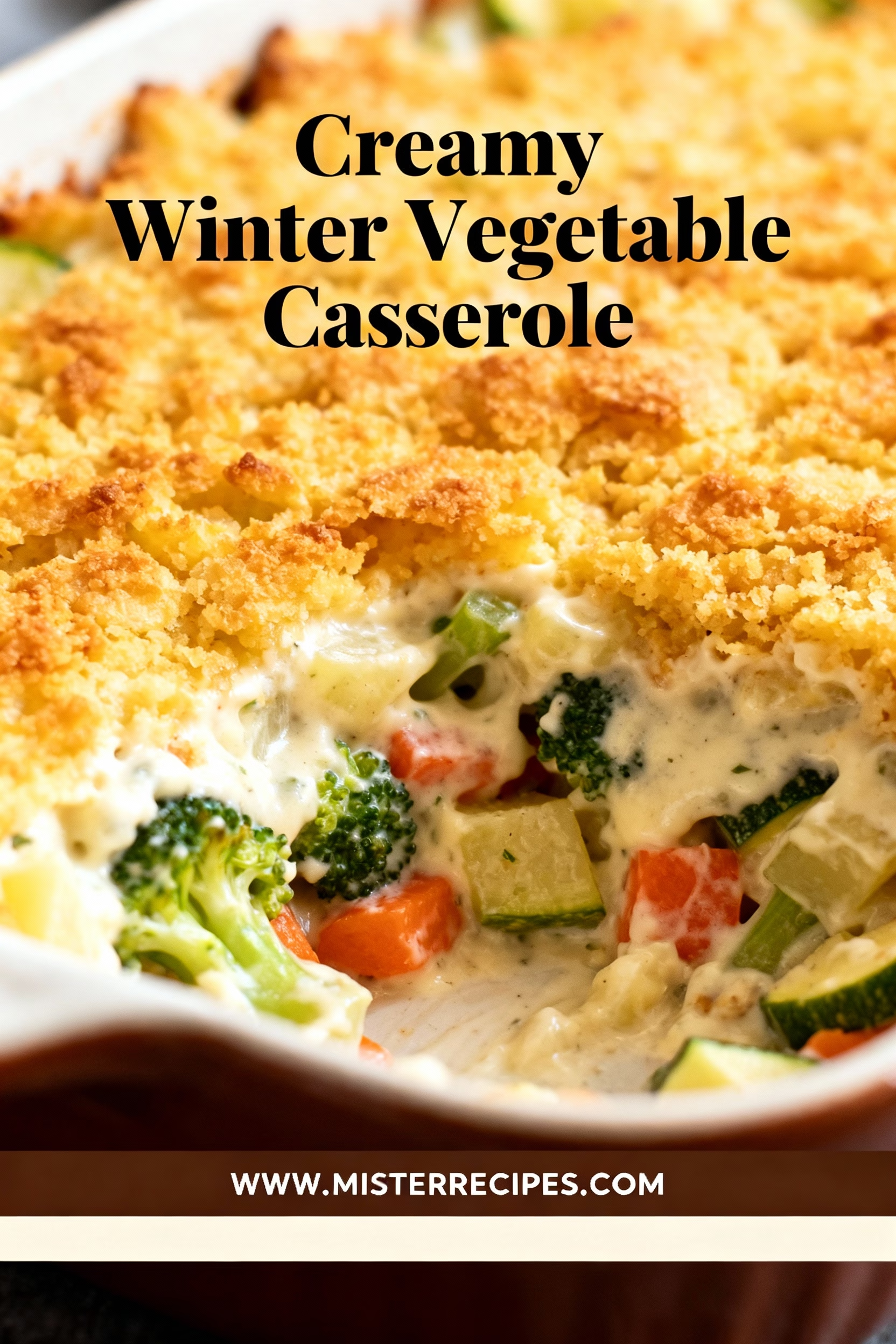
- Prepare the Topping: In a small bowl, combine the Panko breadcrumbs and the 2 tablespoons of melted butter and pinch of fresh thyme. Sprinkle this mixture evenly over the top of the casserole. The Panko ensures a satisfying, golden crunch against the softness of the interior. This is the ideal creamy winter vegetable casserole with panko topping.
- Bake and Serve: Bake for 30–35 minutes, or until the sauce is bubbly around the edges and the topping is golden brown and crispy. Let it stand for 10 minutes before serving. This pause allows the sauce to set slightly, ensuring you get luscious, cohesive serving spoons.
Pro Tips & Variations
Customize Your Vegetarian Creamy Winter Root Vegetable Casserole
The beauty of cooking with vegetables is the massive opportunity for substitution and seasonal change. Don’t be afraid to treat this recipe as a template; it’s designed for flexibility, catering to both ingredient preference and specific dietary needs.
- Root Vegetable Gratin with Butternut Squash: For a sweeter, richer flavor, swap out half of the potato content for cubed butternut squash or sweet potatoes. This creates a luxurious cheesy root vegetable bake that feels exceptionally seasonal. If using dense squash, ensure you pre-blanch it for full tenderness.
- Dairy-Free and Vegan Adaptation (Oat Milk Vegetable Casserole): To make this truly a plant based creamy vegetable casserole, substitute the butter with olive oil, swapped the all-purpose flour for a GF alternative (or 2 tablespoons of cornstarch slurry added at the end), and exchange the milk for oat milk or another high-fat, unsweetened shelf-stable milk. Use your favorite vegan cheese shreds in place of cheddar and Gruyère. The result is surprisingly creamy and delicious!
- The Flavor Bomb Base (No Canned Soup): If you are looking for a healthy creamy winter vegetable casserole no canned soup, stick precisely to the homemade white sauce instructions above. However, if you want an umami boost, sauté 8 ounces of sliced mushrooms (cremini or shiitake) alongside the onions and garlic and use mushroom sauce as the base.
- Cruciferous Crunch: Add steamed broccoli, cauliflower, or even trimmed Brussels sprouts to capture those high-traffic ingredient search terms. A broccoli cauliflower carrot creamy vegetable casserole uses a great combination of common fridge staples. Just steam these vegetables separately until bright green and slightly tender before folding them into the sauce, as they cook faster than the dense roots.
- Make Ahead and Freezing: Assemble the casserole fully (Steps 1–7), cover tightly with foil, and refrigerate for up to 48 hours. When baking from cold, add 10–15 minutes to the total baking time. For long-term storage, flash freeze the assembled but unbaked creamy root vegetable casserole, then wrap it in two layers of foil and store for up to 3 months. Thaw overnight in the fridge before baking.
Creamy Winter Vegetable Casserole Serving Suggestions
This creamy winter vegetable casserole is incredibly versatile. It can serve as a robust, satisfying main dish for a meatless Monday or a decadent, deeply flavorful side for a holiday feast. Because it’s so rich, you want to pair it with something that provides textural or flavor contrast—usually a bright, acidic salad or a simple, lean protein.
Hearty Main Dish Applications
- Simple Greens and Vinaigrette: When serving this as a main course, pair it with a simple, sharply dressed mixed greens salad. The acid in the dressing cuts through the richness of the cheese sauce beautifully. A sprinkle of crumbled goat cheese on the salad adds extra complexity.
- Roasted Chicken or Turkey: For holiday dinners (or Sunday roasts), this casserole is the perfect companion for a simple, herb-roasted chicken or a slow-cooked turkey breast. Its savory depth supports the mild flavor of poultry perfectly, making it a stellar holiday vegetable casserole.
Side Dish Companions
- Grilled Steak or Pork Chop: The earthy root vegetables and creamy sauce create a sophisticated counterpoint to a simply seasoned grilled protein. A pan-seared pork chop finished with fresh thyme echoes the herbs in the casserole.
- Crusty Bread for Dipping: Don’t overlook the simple joy of soaking up the residual cheesy sauce. Serve with generous slices of warm, crusty sourdough or a homemade baguette.
Creamy Winter Vegetable Casserole Storage & Reheating
One of the best qualities of this creamy vegetable casserole is how well it holds up to storage, making it perfect for feeding a crowd or managing leftovers.
Refrigeration
Allow the casserole to cool completely after baking. Cover the baking dish tightly with plastic wrap or transfer leftovers to an airtight container. It will keep well in the refrigerator for 3–4 days. The sauce might thicken slightly upon cooling, but it will loosen up when reheated.
Freezing
Freeze unbaked for best results. Assemble the entire casserole, excluding the breadcrumb topping. Wrap tightly in plastic wrap and then foil. Freeze for up to 3 months. When ready to bake, thaw overnight in the refrigerator. Sprinkle the breadcrumbs on right before baking and add 10–15 minutes to your baking time.
Reheating
To reheat a full, baked casserole, cover it loosely with foil and bake at 350°F (175°C) until warmed through, about 15–20 minutes. The foil prevents the topping from burning. For individual servings, the microwave works fine, but note that the topping might lose some of its desirable crispness. For best results, reheat individual portions in a toaster oven or air fryer for 5–8 minutes.
FAQ about Creamy Winter Vegetable Casserole
Can I use frozen vegetables for a creamy vegetable casserole?
Yes, you absolutely can! If using a frozen mix of vegetables (like the common broccoli, cauliflower, carrot medley), there is no need to pre-blanch. Thaw the vegetables slightly and pat them very dry before folding them into the cheese sauce. Excess moisture will thin out the sauce, so the ‘pat dry’ step is crucial for maintaining the creamy structure.
How do I make the creamiest sauce without condensed soup?
The key is a proper roux. Use equal parts fat (butter) and flour, cook that paste for a full minute, and then add warm or room-temperature liquid (milk/broth) slowly while whisking. The thickening happens as the sauce simmers. Adding a touch of heavy cream instead of half-and-half will yield an even richer creamy vegetable casserole.
What are the best root vegetables to use in a vegetarian creamy winter root vegetable casserole?
I focus on a mix for the best flavor and texture contrast. Potatoes provide body; carrots and parsnips add sweetness; and a hard root like rutabaga, celery root, or turnip gives an essential earthy depth. Ensure all are cut to roughly the same size (half-inch cubes) to guarantee even cooking inside the creamy root vegetable casserole.
How can I make this lighter or healthier?
For a healthier take, you can use homemade cauliflower sauce instead of a traditional milk-and-roux sauce base. Steam cauliflower florets until very tender, blend them with garlic, a touch of vegetable broth, and nutritional yeast until smooth and creamy. This mimics the luxurious mouthfeel of the cheese sauce while significantly cutting down the fat content, resulting in a lighter-but-still-satisfying dish.
Can I add protein to this dish?
Absolutely. While I love it as a meatless holiday side, you can turn this into a full meal by adding cooked, shredded chicken or diced ham along with the blanched vegetables into the sauce before baking. Make sure the protein is already cooked, as the assembly and baking time is only for heating through and setting the sauce.
Final Thoughts
Food is never just about fuel; it is the conversation of hands, the silent memory held on the tongue. In the season of hustle, I find myself drawn back to dishes like this: simple, honest, and utterly comforting. My hope is that when you make this creamy winter vegetable casserole, you find a moment of quiet connection, too. A moment where the scent of baking thyme slows down the rush and you can simply be present with the people sitting around your table. Gratitude lives in these shared plates, in the steam rising from the seasoned root vegetables. As always, thank you for letting me share my home kitchen with you.
Happy cooking, and remember: connection, not perfection, is the goal.
Love from Bend, Oregon,
Cindy Motter
P.S. If you loved this recipe, please save it to your favorite Pinterest board, leave a comment below about the vegetables you used, and subscribe to my Stories from the Skillet series for more everyday comfort food!

Creamy Winter Vegetable Casserole
Ingredients
Equipment
Method
- Preheat your oven to 375°F (190°C). Grease a 9x13 inch baking dish with butter or oil.
- Peel and cube the potatoes, carrots, parsnips, and celery root (or rutabaga/turnip) into 1/2-inch pieces. This ensures even cooking.
- In a large pot of salted boiling water, blanch the cubed vegetables for 4-5 minutes until they are slightly tender but still hold their shape. Drain immediately and set aside.
- In a medium saucepan, melt 4 tablespoons of butter over medium heat. Add the finely diced onion and sauté for 5-7 minutes until it becomes translucent and sweetly fragrant.
- Add the minced garlic to the saucepan and cook for 1 more minute until the garlic is fragrant and lightly golden.
- Sprinkle the 1/4 cup of all-purpose flour (or gluten-free alternative) over the butter and onion mixture. Whisk constantly for 1 minute to create a thick roux.
- Slowly pour in the 3 cups of whole milk (or half-and-half) and 1/2 cup of vegetable broth while whisking continuously to prevent lumps. Bring the mixture to a gentle simmer.
- Once the sauce thickens enough to coat the back of a spoon, remove it from the heat. Stir in the dried thyme, rosemary, nutmeg, salt, and pepper. Taste and adjust seasoning if needed.
- Add the freshly shredded sharp cheddar and Gruyère or Swiss cheese to the sauce. Stir until the cheese is completely melted and the sauce is smooth.
- Gently fold the blanched vegetables into the cheese sauce, ensuring each piece is well coated. Pour the mixture evenly into the prepared baking dish.
- In a small bowl, mix the 1/2 cup Panko breadcrumbs (or gluten-free Panko) with 2 tablespoons of melted butter and a pinch of fresh thyme. Sprinkle this mixture evenly over the top of the casserole.
- Bake the casserole in the preheated oven for 30-35 minutes, or until the sauce is bubbly around the edges and the topping is golden brown and crispy.
- Remove the casserole from the oven and let it rest for 10 minutes before serving. This allows the sauce to set slightly for easier scooping and a more cohesive texture.