
A Memory Smoldering in Sweet Heat
Do you ever catch a scent, just a wisp of something cooking, and it pulls you instantly back to a specific moment? For me, that’s the smell of sesame oil heating with garlic and the deep, rich musk of gochujang (Korean chili paste). It takes me straight back to one Friday evening, late, the air already cool over the Deschutes River here in Bend, Oregon. Ethan had just gotten home after a long week, and the kids, Adams and Jana, were surprisingly quiet, engrossed in a movie.
I needed something fast, something that felt like a hug but tasted like an adventure. Something that could transform a dull Friday into a feast. That night, I discovered the magic of Gochujang Chicken. It wasn’t the hours-long, deep-fried effort, but a truly easy gochujang chicken recipe, clocking in at just about 15 minutes gochujang chicken recipe prep time, that produced a result so sticky, sweet, and perfectly spicy, it felt like cheating. This isn’t just dinner, it’s a mood, a moment of global comfort food right here in our kitchen.
This particular version, which often becomes our family’s default Korean chicken recipe when time is short, uses tender boneless skinless chicken thighs, pan-seared to a beautiful caramelization before being cloaked in the most phenomenal Korean chicken sauce. It’s sweet, thanks to a touch of honey gochujang chicken glaze, and savory, with just enough heat to warm your cheeks. For anyone asking, “How do I make a weeknight meal feel special?”, the answer is here. It’s about connection, not perfection, and this dish connects us every time.
Why You’ll Fall in Love with this Quick Gochujang Chicken
I know what you’re thinking. Korean cuisine seems intimidating. It’s often associated with complex fermentations or lengthy preparation. But my goal at MisterRecipes.com, especially in my series “Stories from the Skillet,” is always to distill incredible flavor down to its most approachable essence. This particular quick gochujang chicken recipe delivers maximum flavor payoff with minimal effort. This is why it’s a staple in our home:
- Speed and Simplicity: Forget 30 minutes, you can have a glorious pan of this easy Korean chicken ready in closer to 20 minutes start-to-finish. This makes it perfect for a hectic weeknight.
- The Perfect Balance: The sauce is the star. We blend the fermenty heat of the gochujang with genuine honey gochujang chicken sweetness, a touch of tangy vinegar, and deep savory notes from soy sauce. It truly is a spicy sweet chicken experience that appeals to almost everyone.
- A Versatile Protein Powerhouse: While the recipe calls for boneless skinless chicken thighs (which stay wonderfully tender), it works beautifully as a Gochujang chicken stir fry with vegetables like bell peppers or zucchini, or even with chicken breast.
- Pantry Ingredients: Once you buy that tub of gochujang (Korean chili paste), the rest of the ingredients, like soy sauce, garlic, ginger, and sesame oil, are almost certainly already in your pantry. We are embracing whole ingredients here, using only what we need to create delicious results.
- Adaptable to Preferences: Whether you want a simple gochujang chicken glaze for grilled chicken or are looking to make it into a comforting gochujang chicken with rice, the formula is infinitely adaptable. We even have notes on how to make it crispy gochujang chicken!
- Family Comfort: Despite the heat, the sweetness calms it down enough that my kids love it. We just adjust the amount of chili paste we use for their portions. It’s modern comfort food that tastes better than takeout.
If you’ve been looking for that one recipe to break you into the world of amazing Korean flavors, this quick and easy gochujang chicken recipe is it. It’s simple, delicious, and deeply satisfying.
Essential Ingredients for Gochujang Chicken
You only need a few key players to make this magic happen. The key is to source high-quality gochujang, which can be found in most international grocery aisles now. Look for the distinctive red tubs. Good ingredients make simple recipes shine.
For the Chicken:
- 1.5 lbs Boneless Skinless Chicken Thighs: Thighs are my preferred cut for their flavor, affordability, and ability to stay moist. You can substitute chicken breast, but cooking time will be slightly reduced.
- 1 Tablespoon neutral oil: Such as canola, grapeseed, or vegetable oil, for searing.
- Salt and freshly ground black pepper.
For the Sticky Gochujang Sauce (The Gochujang Glaze):
- 4 Tablespoons Gochujang: This is the main flavor maker. Adjust to your spice preference.
- 3 Tablespoons Soy Sauce: Use low-sodium if possible.
- 3 Tablespoons Honey: Offers that beautiful stickiness and balances the heat for a classic honey gochujang chicken flavor. Maple syrup is a great substitute.
- 1 Tablespoon Sesame Oil: Essential for that nutty, earthy Korean flavor base.
- 2 Cloves Garlic: Finely minced.
- 1 Teaspoon Ginger: Freshly grated is best, but ground ginger works in a pinch.
- 1 Teaspoon Rice Vinegar: Adds a beautiful, necessary tang.
- 1/2 Teaspoon Sriracha (Optional): For those who love extra heat on their spicy gochujang chicken.
Garnishes:
- Sesame Seeds (toasted).
- Sliced Green Onions.
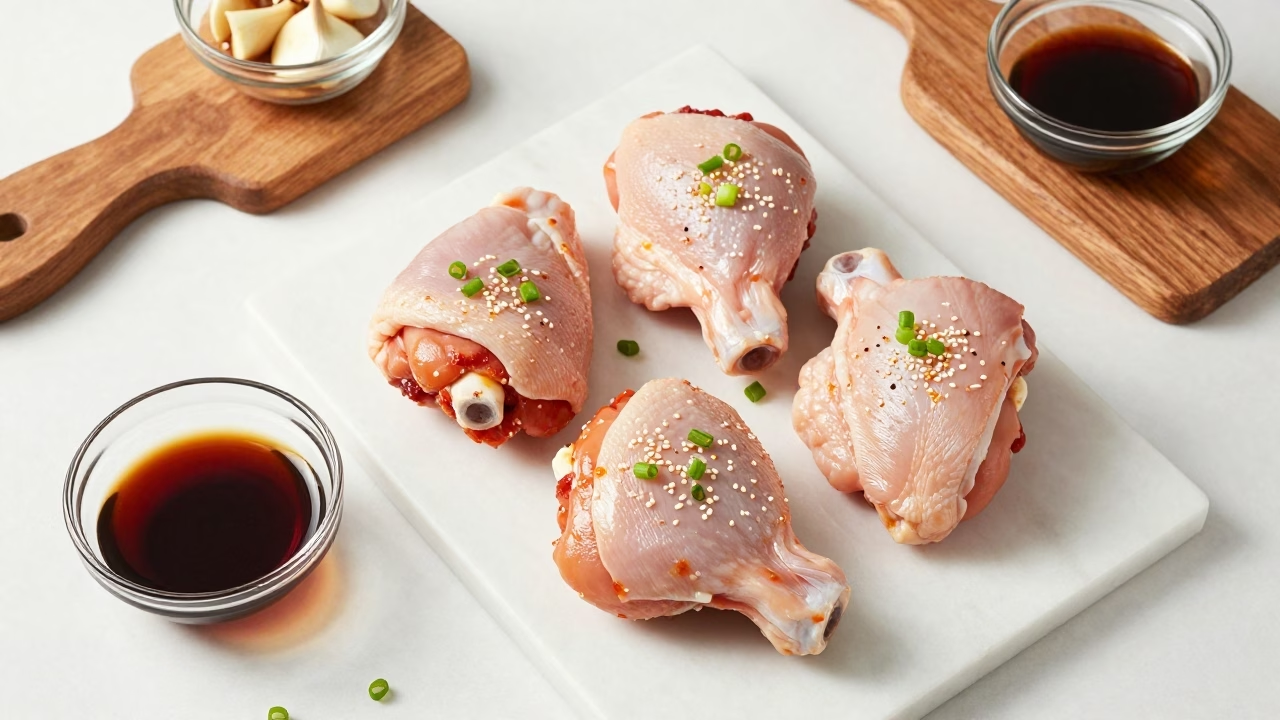
How to Make Sticky Garlic Gochujang Chicken
The beauty of this method lies in its efficiency. We focus on two steps: getting the chicken golden and sticky, and then glazing it to perfection. Trust me, the aroma alone will make you feel like a culinary genius.
Step-by-Step Instructions
- Prep the Chicken and the Marinade: Cut the chicken thighs into 1-inch thick chunks. Season lightly with salt and pepper. Next, whisk together all the sauce ingredients in a medium bowl: gochujang, soy sauce, honey, sesame oil, minced garlic, ginger, rice vinegar, and sriracha (if using). Reserve 2 tablespoons of this mix for a final brush. The remainder is your gochujang chicken marinade.
- Marinate (Quick or Long): If you have time (20 minutes to 4 hours), toss the chicken pieces in the marinade mixture. If you are making the 15-minute gochujang chicken recipe, skip the marinating step and proceed directly to cooking, coating the cooked chicken with the sauce later.
- Sear the Chicken: Heat the neutral oil in a large skillet or wok over medium-high heat until shimmering. Add the chicken pieces in a single layer, ensuring not to crowd the pan (work in batches if necessary). You want a beautiful, charred crust. Cook for 3 to 4 minutes per side, until the chicken is mostly cooked through and golden brown. This step, crucial for the flavor, gives us pan-seared gochujang chicken perfection.
- Glaze and Reduce: If you marinated the chicken, pour any remaining sauce from the bowl over the chicken in the skillet. If you skipped the marinade, pour the main batch of the sauce (minus the 2 reserved tablespoons) over the cooked chicken. Reduce the heat down to medium-low.
- Achieve the Sticky Glaze: Stir constantly as the sauce bubbles violently. It will begin to thicken almost immediately due to the sugars in the honey and gochujang. Let it simmer gently, continuing to coat the chicken, for about 2 to 3 minutes, until it turns into a thick, glossy, gochujang chicken glaze. It should cling beautifully to the meat.
- The Final Brush and Serve: Remove from the heat. Brush with the 2 tablespoons of reserved sauce mixture for an extra-fresh flavor punch. Garnish generously with sesame seeds and green onions. Serve immediately, perhaps spooned over fluffy white rice, transforming it into gochujang chicken served over rice.
This method ensures the chicken is cooked perfectly, the sauce is reduced correctly, and you manage to capture that intoxicating balance of sweet, heat, and savory.
Pro Tips & Savory Variations
I believe in sharing the little secrets that make a home cook feel like a professional. These tips will help you tailor this gochujang chicken recipe to your exact liking, whether you need it hotter, faster, or dairy-laden!
Cindy’s Quick Kitchen Secrets
- The Crispy Trick: If you want truly crispy gochujang chicken without deep-frying, coat your cubed chicken lightly in 1 tablespoon of cornstarch (or potato starch for gluten-free) before searing. The cornstarch helps achieve a glorious, crisp exterior even while pan-frying.
- Don’t Crowd the Pan: This is my cardinal rule for any searing. If you put too many pieces of chicken in the skillet, the temperature drops, and the chicken steams instead of sears. Steam equals rubbery chicken, and we are aiming for gorgeous sticky garlic gochujang chicken.
- Flavor Depth: To deepen the flavor profile of the Korean chicken sauce, consider adding 1/2 teaspoon of oyster sauce (if not adhering to shellfish restrictions). It adds an incredible umami boost that complements the gochujang beautifully.
- The Ultimate Gochujang Chicken Glaze: If your sauce isn’t thickening, stir a slurry of 1 teaspoon cornstarch mixed with 1 tablespoon cold water into the simmering sauce. It will thicken in seconds, giving you that beautiful, professional glaze.
Flavor and Dietary Variations
Food should be flexible, reflecting what’s in your pantry and what mood you’re in. Feel free to experiment!
- Make it a Stir Fry: Turn this into an easy spicy gochujang stir fry chicken by adding chopped vegetables – broccoli florets, bell peppers, or sliced zucchini – to the pan after the chicken is seared. Cook until tender-crisp before adding the glazing sauce.
- The Cheese Buldak Twist (Fire Chicken with Cheese): For a truly decadent, restaurant-style Korean experience, arrange the finished Gochujang Chicken in an oven-safe dish. Top generously with shredded mozzarella cheese (the cheese buldak style). Broil until the cheese is melted, bubbly, and slightly browned. This pairing of spicy chicken and creamy cheese is heavenly.
- Use Different Cuts: This sauce works incredibly well brushed over grilled gochujang chicken thighs or as a dip for lightly battered Korean fried chicken pieces.
- Vegetarian Option: Substitute the chicken with firm tofu. Cut the tofu into cubes, dredge in cornstarch, and pan-fry until crispy. Then proceed with the glazing step. This makes a phenomenal gochujang chicken with rice cakes variation if you throw in some chewy tteokbokki.
Remember, the kitchen is where we practice freedom. Don’t be afraid to make this recipe truly your own, whether adjusting the heat or adding in every vegetable you neglected to eat last week.
Serving Suggestions for Gochujang Chicken
A beautiful dish deserves a beautiful presentation. Because this spicy gochujang chicken is so rich and flavorful, it pairs best with simple, fresh counterpoints.
- Fluffy Rice: A must, absolutely. Calrose or sushi rice is traditional, providing the perfect vehicle for soaking up all that incredible Korean chicken sauce.
- Quick Kimchi Fried Rice: Speaking of rice, why not elevate your side dish? Use leftover rice and a little kimchi to create a quick fried rice, serving the gochujang chicken with rice for a complete flavor profile.
- Fresh, Vibrant Slaw: A cool, crisp coleslaw dressed simply with rice vinegar, sesame oil, and a pinch of sugar cuts through the richness of the glaze beautifully.
- Steamed or Blanched Greens: Simple steamed broccoli, often neglected, works perfectly here. Just a drizzle of sesame oil and a sprinkle of salt is all they need. The simplicity allows the main dish, the best gochujang chicken recipe you’ll ever make, to truly shine.
- A Simple Korean Side Dish (Banchan): If you’re feeling ambitious, a quick batch of pickled radish or lightly seasoned spinach (Sigeumchi Namul) completes the meal, embracing the communal joy of Korean dining. For more inspiration on pairing, our friends over at Just One Cookbook have some excellent ideas for complementing this sweet and heat balance.
Serving is my favorite ritual. Lay everything out, family style, and let everyone claim their own bowl. It simplifies things, fosters conversation, and makes the meal less about formality and more about togetherness.
Gochujang Chicken Storage & Reheating
This gochujang chicken is so irresistible, you will rarely have leftovers. But on the rare occasion you do, here is how to handle them responsibly and maximize that zero-waste kitchen approach I champion.
Storage
Refrigeration: Place completely cooled chicken and sauce in an airtight container. It will keep beautifully in the refrigerator for up to 3 to 4 days. The sauce will thicken considerably upon cooling, which is normal.
Freezing: I generally advise against freezing this dish as the chicken texture can suffer, but if you must, place the cooled chicken and sauce in a freezer-safe bag or container and freeze for up to 2 months. Thaw overnight in the refrigerator before reheating.
Reheating
Skillet Method (Best): The best way to reheat is in a non-stick skillet over medium-low heat. Add a tablespoon of water or chicken broth to help loosen the thickened sauce. Stir gently until the chicken is heated through. This helps reactivate the glaze without drying out the chicken.
Microwave Method: While quick, use caution. Reheat in 30-second bursts, stirring in between, to prevent the chicken from becoming rubbery. If the sauce is too thick, add a tiny splash of water.
FAQ about Gochujang Chicken
Here are some common questions I hear when sharing this amazing Korean chicken recipe:
What is Gochujang and how spicy is it?
Gochujang (Korean chili paste) is a savory, sweet, and moderately spicy fermented condiment. Its heat is often rounded and deep, not sharp like sriracha. The paste itself ranges from mild to medium-hot, but the presence of sugar (honey in our case) and starch significantly mellows the heat in this honey gochujang chicken preparation. It’s primarily about flavor depth rather than intense combustion.
Can I use chicken breast instead of thighs for this quick gochujang chicken?
Yes, absolutely! For the Gochujang chicken breast option, cut the breast into 1-inch cubes and follow the directions exactly. Just be mindful that breast meat cooks faster, so reduce the searing time slightly to prevent dryness. Chicken breasts work especially well for a gochujang chicken stir fry due to their leaner profile.
How do I make a sticky garlic gochujang chicken that is gluten-free?
To make this sticky garlic gochujang chicken recipe gluten-free, your main substitution will be using Tamari or coconut aminos instead of traditional soy sauce. Ensure your gochujang brand states it is gluten-free, as some contain wheat. Cornstarch is used in the sauce, not flour, so that is naturally gluten-free.
Is this recipe similar to Dak Galbi?
This pan-seared version is simpler than traditional dak galbi (Korean spicy chicken stir fry), which typically involves marinating chicken and vegetables together before cooking on a large griddle. However, the core flavors and the use of gochujang in both dishes are closely related. If you incorporate vegetables, you get very close to a home-style dak galbi dish.
What if I don’t have fresh ginger?
If you don’t have fresh ginger for this gochujang chicken marinade or sauce, you can substitute 1/4 teaspoon of ground ginger. Fresh ginger provides a much brighter, more pungent flavor, but ground ginger will still provide the necessary warmth and aroma.
Final Thoughts on Connection and Gochujang
It’s funny how powerful food is as a language. We didn’t need complicated words that cold Friday night when Ethan came home tired. We needed the warmth of the skillet, the sound of the sizzle, and the deep, comforting flavor of this gochujang chicken. It was a tangible expression of gratitude and care.
Food is memory. Food is connection. When you stand in your kitchen, whisking that bright red paste with dark, sticky honey, you aren’t just making dinner, you are crafting a moment. You are creating a story for your own skillet.
I encourage you to try this incredibly easy Korean chicken recipe. See how quickly it integrates into your own family’s rotation, how effortlessly it transforms a simple weeknight meal into something truly special. And please, let me know what you serve it with. I love hearing the stories from your own tables.
Happy cooking, from my home to yours.
P.S. If you loved this recipe, do us a favor and save the image to your Pinterest board! It helps MisterRecipes spread the joy of simple, delicious cooking.

The Heart-Stirring Spice: Quick and Easy Gochujang Chicken
Ingredients
Equipment
Method
- Cut chicken thighs into 1-inch pieces. Season lightly with salt and pepper.
- Whisk together gochujang, soy sauce, honey, sesame oil, minced garlic, ginger, rice vinegar, and sriracha (if using) in a bowl. Reserve 2 Tbsp for a final brush. If time allows, marinate chicken in the sauce for 20 minutes to 4 hours.
- Heat neutral oil in a large skillet or wok over medium-high heat. Add chicken in a single layer (work in batches if needed). Sear 3-4 minutes per side until golden brown and mostly cooked through.
- Pour the sauce (minus the reserved 2 Tbsp) over the chicken. Reduce heat to medium-low and simmer, stirring constantly, for 2-3 minutes until the sauce thickens into a glossy glaze that clings to the chicken.
- Remove from heat. Brush with the reserved sauce. Garnish with toasted sesame seeds and sliced green onions. Serve immediately over rice if desired.