
The Scent of Home: A Quest for the Best Homemade Middle Eastern Kafta Patties
It was a Saturday afternoon in our Queens apartment, the time of day when my mother usually decided which distant port or ancient marketplace she’d transport us to via the kitchen. On this particular day, the air wasn’t thick with the heat of Bengali spices, but something sharper, brighter, and immediately comforting: the scent of fresh parsley, onion, and warming spice. My mother, usually making simple savory ground beef dishes that were familiar, was making something new, and it became an immediate favorite. She called them ‘kofta,’ our term for spiced meat patties, but the flavor profile was distinctly different, borrowed from our Lebanese neighbors. Fast forward thirty years, and I still chase that precise aroma, which perfectly captured the warmth and hospitality of the Middle East. That’s how I landed on perfecting these Middle Eastern Kafta Patties, a dish that manages to be both exotic and entirely comforting.
Finding a way to introduce my own twins, Aria and Kai, to the diverse flavors that shaped my Queens upbringing is a constant joy, and these homemade kafta patties are always a hit. Unlike denser, heavily spiced versions, this recipe for Lebanese beef kafta kebabs produces the most tender, intensely flavorful Middle Eastern meat patties you can imagine. We’re focusing on incorporating fresh herbs and the crucial seven spice kafta recipe blend to create an authentic, soulful flavor. If you’ve been searching for the best kafta recipe authentic and easy enough for a weeknight, your journey ends here. Get ready to mix, mold, and grill—or pan-fry—the flavors that define the joy of shared heritage.
Table of Contents
- The Scent of Home: A Quest for the Best Homemade Middle Eastern Kafta Patties
- Why You’ll Love These Middle Eastern Kafta Patties
- Ingredients for Middle Eastern Kafta Patties
- How to Make Middle Eastern Kafta Patties
- Pro Tips & Variations
- Middle Eastern Kafta Patties Serving Suggestions
- Middle Eastern Kafta Patties Storage & Reheating
- FAQ about Middle Eastern Kafta Patties
- Final Thoughts
Why You’ll Love These Middle Eastern Kafta Patties
In our lively Brooklyn brownstone, dinner often feels like a short-order cook scenario, catering to the wildly different palates of Lena, myself, and the twins. That’s why I need recipes that are big on flavor but low on fuss. These Kafta patties fit the bill perfectly because they satisfy the deep craving for savory comfort while introducing complex, bright flavors. As a food writer, I look at every meal as a chance to tell a story, and this Middle Eastern ground beef delight tells a beautiful one.
- A Feast of Flavors, Not Finicky Steps: People often shy away from “ethnic” food, assuming complicated techniques or inaccessible ingredients. Not here. This kafta recipe utilizes simple processes—mixing and forming—and the bulk of the flavor comes from readily available herbs and the powerful baharat spice kafta blend (which you can easily find or mix yourself). It’s remarkably easy, making it an excellent weeknight alternative to quick weeknight staples like Korean Ground Beef Bowls or ground beef stuffed appetizers.
- The Texture is Transformation: The secret to truly tender kafta, whether you’re making it as kafta burger shapes or classic kafta on skewers, is moisture. We combine the ground beef kafta with grated onion and fresh herbs, resulting in patties that stay incredibly juicy when cooked. Forget dry, dense burgers, these are the definition of succulent.
- Highly Versatile (The Ultimate Ground Beef Solution): If you’re like me, you always have ground beef (85/15 lean) in the fridge. This recipe is an incredible way to escape the usual taco night rut. You can shape them into small meatballs (kofta), the classic flattened patties, or mould them directly onto skewers for amazing grilled kafta kabob. They are equally delicious when pan-fried indoors in a cast iron skillet or cooked outdoors on a charcoal grill.
- A Passport on a Plate: For those who love global cuisine, this offers an authentic tasting experience. When you serve these Lebanese grilled kafta, paired with a simple yogurt sauce, you are instantly transported to the warm, spice-laden streets of Beirut or Damascus. It’s an act of culinary adventure, all from the comfort of home.
- The Power of Fresh Herbs: What elevates these from standard meatballs? The sheer volume of fresh parsley and fresh mint. This abundance of greenery provides a vibrant color and an overwhelming burst of freshness that cuts through the richness of the meat. It’s a sensory pleasure that makes the dish feel alive and light, despite being very satisfying. I find this simple addition is what creates the true authentic Lebanese kafta experience.
Ingredients for Middle Eastern Kafta Patties
The beauty of the kafta meat mixture lies in its simplicity. High-quality ingredients are paramount, especially the herbs and spices.
- The Meat: 2 lbs ground beef (85/15 lean). The fat content is important for moisture. You can mix in ground lamb kafta alternative for a richer, more traditional flavor.
- The Aromatics: 1 medium yellow onion, finely grated or processed. Grating ensures the onion disappears into the mixture while providing moisture, alongside 4 cloves of minced garlic.
- The Herbs (Do Not Skimp Here): 1 large bunch (about 1 cup packed) of fresh parsley, finely minced. We also use 1/4 cup of fresh mint, finely minced. The mint is optional but highly recommended.
- The Spices (The Soul of Kafta): 2 tablespoons of Lebanese 7 spices (or Baharat blend). If you don’t have this, you can create a simplified mix using 1 tsp cumin, 1/2 tsp cinnamon, 1/2 tsp allspice, 1/4 tsp ground coriander, and a pinch of paprika and black pepper. We also add 1 tsp kosher salt and 1/2 tsp black pepper.
- The Binder (Optional): 1 small egg binder, lightly beaten. This is often unnecessary if you grate your onion finely enough, but helpful for insurance against loose patties, especially if you plan to make kafta skewers.
Substitutions: For those seeking less red meat, ground chicken or ground turkey can work, but reduce the cooking time slightly and add a tablespoon of olive oil to the mix to combat dryness. For a vegetarian version, look up recipes for plant-based kofta patties, often made with lentils or mushrooms.
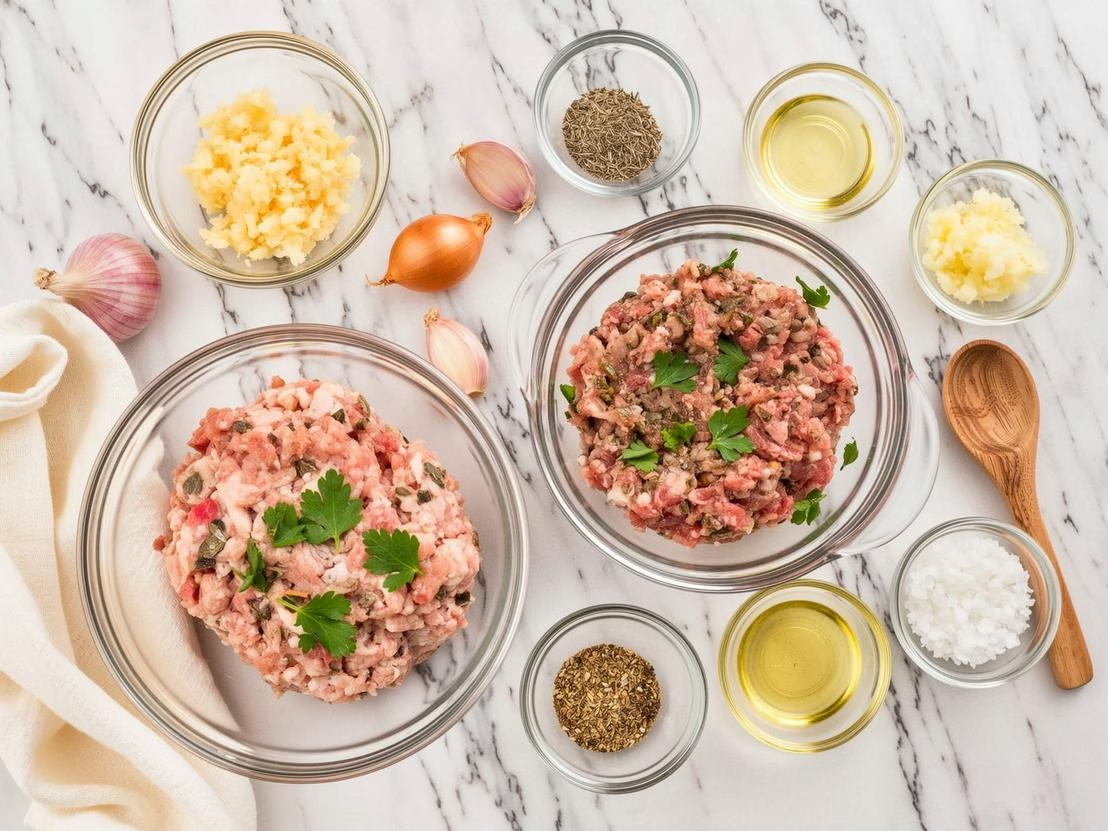
How to Make Middle Eastern Kafta Patties
Step-by-Step Instructions for the Best Kafta Recipe Authentic
Making Middle Eastern kafta patties feels almost meditative. It’s a process of mixing, molding, and watching simple ingredients transform into robust flavor. This method ensures your ground beef kafta burger recipe results in juicy, tender patties every single time, whether you are cooking indoors or prepping for an upcoming BBQ.
- Prepare the Aromatics & Herbs: This is the most crucial step. Use a box grater to grate the onion directly into a large mixing bowl. The goal is fine pulp, not chunks. Grating releases essential moisture that keeps the meat tender. Add the minced garlic, the huge handful of fresh parsley and mint, and all the spices: salt, pepper, cumin, cinnamon, allspice, and the main Lebanese 7 spices mix.
- Combine the Kafta Meat Mixture: Add the ground beef to the bowl of aromatics and spices. If using, lightly beat the small egg and add it now. The secret to light, tender meat is gentle mixing. Using your hands, fold the ingredients together until they are just combined. You should see the bright green of the parsley evenly distributed throughout the meat. Over-mixing will compress the proteins, resulting in a tough patty—we are striving for soft, almost bread-like tenderness.
- Chill (The Patience Test): Cover the bowl and refrigerate the mixture for at least 30 minutes, or up to 4 hours. Chilling allows the flavors to truly marry, the spices to hydrate, and most importantly, it firms up the fat, making the resulting kafta patties in cast iron skillet or on a grill much easier to handle and shape.
- Shape the Kafta Patties: Retrieve the chilled mixture. You have a few options for shaping. For traditional Middle Eastern meat patties, scoop about 1/3 cup of mixture and roll it briefly, then flatten it slightly into an oval or round patty, about 3/4 inch thick. For easy beef kafta skewers (Kafta Mishwiyyeh), wet your hands slightly and mold the meat mixture directly around a metal skewer, forming a long, tube-like cylinder.
- Cook the Kafta (The Sizzling Sound of Success):
- Pan-Frying (Indoor Method): Heat 1-2 tablespoons of olive oil in a large cast iron skillet over medium-high heat. Once hot, carefully lay the patties down, leaving space between them. Sear for 4-5 minutes per side until deeply browned and the internal temperature reaches 160°F (they will reach 165°F after resting). This technique gives beautiful crust and is perfect for making kafta cooked indoors cast iron style.
- Grilling (Outdoor Method): Preheat your grill to medium-high heat (about 400°F). Lightly brush the grill grates or the kafta with oil. Place the grilled kafta kabob on the grates. Cook for 3-4 minutes per side, flipping only once, until you see those beautiful char marks that scream Lebanese grilled kafta.
- Rest and Serve: Once cooked, allow the kafta to rest for 5 minutes before serving. This crucial step ensures the trapped juices redistribute, guaranteeing the most tender, flavorful result possible. Plate them high and garnish with a sprinkling of extra fresh parsley and a dash of sumac for a burst of acidic brightness.
Pro Tips & Variations for the Best Kafta
Through years of testing, I’ve learned a few tricks to elevate these simple Middle Eastern Kafta Patties from good to unforgettable. The quality of your spices and your mixing method are everything here.
Tip 1: The Secret to Succulence, Using Grated Onion
If you chop the onion, even finely, you risk crunchy chunks that won’t cook down properly. Grating the yellow onion releases its moisture, which is then absorbed by the meat, acting as an internal baste while cooking. I recommend either using a box grater or pulsing the onion in a food processor until it’s finely minced, almost paste-like, before gently squeezing out any excess liquid, maximizing flavor without excessive wetness.
Tip 2: Mastering the Spice Blend with Baharat
While you can use the combination of spices listed, the depth of flavor in authentic Lebanese kafta comes from a high-quality Baharat spice blend or seven spice kafta recipe. Baharat means “spices” in Arabic and contains nutmeg, cloves, and sometimes cardamom, bringing a rich, warm undertone that differentiates it from simple cumin or coriander. Seek out a fresh blend, as old spices lack potency.
Tip 3: The Ideal Accompaniment, Tahini Sauce
Many people serve kafta with a simple yogurt sauce, but the slightly bitter, nutty depth of a classic kafta with tahini sauce is truly remarkable. To make it: whisk 1/2 cup tahini paste with 1/4 cup lemon juice, 2 cloves minced garlic, and salt. Slowly add ice water until the sauce is creamy and easily pourable. It’s the perfect cooling, rich counterpoint to the warm spices of the meat.
Variation: Kafta Burgers with a Twist
Looking for a novel weeknight dinner? Turn these into ground beef kafta burger recipe masterpieces. Shape the kafta meat mixture into standard burger rounds. Grill or pan-fry, and serve on toasted pita or brioche buns. For a true niche-flavor experience, try a feta-stuffed za’atar kafta burger: push a small cube of feta into the center of the patty before cooking and sprinkle the outside with tart za’atar spice mix.
Variation: Ground Lamb Kafta Alternative
For a more traditional and intensely flavorful kafta, swap half of the ground beef for ground lamb. This mixture is incredibly popular in the Middle East and enhances the richness of the beef kafta kebabs. Lamb also pairs exceptionally well with the cooling fresh mint.
Middle Eastern Kafta Patties Serving Suggestions
One of the things I love about these flavorful Middle Eastern Kafta Patties is their versatility. They can be the centerpiece of a decadent spread, or a quick, healthy protein alongside a simple salad. My philosophy, refined during those formative years eating everything from Bangladeshi curry to Lebanese kebabs in Queens, is that food must be adaptable. These patties are no exception.
1. The Full Mezze Platter
If you’re hosting, arrange the grilled kafta kabob with herbs on a platter alongside other Mezze favorites. This includes creamy hummus, tangy baba ghanoush, pickled turnips, and warm pita bread. Drizzle the kafta lightly with high-quality olive oil for extra shine and flavor. This presentation is pure hospitality, encouraging everyone to gather and share, which is what food is all about.
2. Paired with Cooling Yogurt Sauce and Rice Pilaf
A simple, yet essential side is a cooling component to balance the warm spices. A simple Greek yogurt mixed with a squeeze of lemon and a few drops of tahini works wonders. Alternatively, try a quick cucumber and tomato salad dressed lightly with lemon juice. For a comforting carbohydrate, serve alongside a fluffy rice pilaf studded with vermicelli, or try this rich, creamy savory beef pasta if you must include some fusion comfort food.
3. Inside Stuffed Pita Sandwiches
This is my favorite way to serve them for the kids! Stuff warm pita pockets with crumbled or sliced kafta, a smear of hummus, thinly sliced tomatoes and cucumbers, and a generous amount of the Tahini sauce mentioned above. It’s an interactive, less messy way to enjoy the Middle Eastern beef kofta and makes for a supremely satisfying lunch or quick dinner. The freshness of the kafta with fresh mint and parsley mixture cuts through the richness, making it feel remarkably light.
4. Alongside a Zesty Herb Salad
Keep things light by serving the patties, still warm, atop a large bed of finely chopped parsley, cilantro, and mint, lightly dressed with lemon and olive oil. Sprinkle the whole dish with sumac and a few chopped walnuts. This focuses the meal entirely on those fantastic, bright kafta spices and fresh herbs. A simple, yet elegant way to serve these savory beef kebabs recipe patties.
Middle Eastern Kafta Patties Storage & Reheating
These Middle Eastern Kafta Patties are a fantastic meal prep item because they hold their flavor and texture beautifully after cooking. I often double the batch just to ensure we have leftovers for lunch the next day, usually sliced thin and tucked into a simple salad for Lena, or reheated for a hearty snack for the twins.
Refrigerating Cooked Kafta
Allow the patties to cool completely before transferring them to an airtight container. They will keep well in the refrigerator for 3 to 4 days. They are delicious cold, but maintain their texture best when reheated gently.
Freezing Uncooked Kafta (Best Practice)
The best way to prepare these ahead is to freeze them uncooked. Shape the ground beef kafta into patties or skewers. Place them on a baking sheet lined with parchment paper, ensuring they do not touch. Flash-freeze until solid (about 2-3 hours). Once frozen, transfer them to a freezer bag or vacuum-seal bag. They will keep for up to 3 months. To cook, you can grill or pan-fry them directly from the freezer; just add a few minutes to the cooking time.
Reheating Kafta Patties
- Oven or Air-Fryer (Recommended): This method retains the crispness of the outside while keeping the inside tender. Preheat your oven or air fryer to 350°F (175°C). Reheat the kafta for about 8-10 minutes, until warmed through.
- Skillet: If you’re only reheating a few, use a non-stick skillet over medium-low heat with a small drizzle of olive oil. Cover the skillet to trap steam and warm the patties through slowly, flipping once, about 3 minutes per side. Fast reheating can dry them out.
FAQ about Middle Eastern Kafta Patties
How do you ensure the Kafta patties don’t fall apart when grilled?
The number one mistake is overworking the patties or not chilling the mixture enough. To prevent crumbling, especially when making grilled kafta kabob, ensure you use the finely grated onion for moisture, mix gently just until combined, and most importantly, chill the kafta meat mixture for at least 30 minutes. If you are struggling, you can add 1-2 tablespoons of flour or breadcrumbs as an extra binder, though truly authentic kafta relies on the fat and compressed proteins.
What is the difference between Kafta and Kofta?
Kafta (often spelled Kofta Kebab, Kofta, or Kufta) is generally the Levantine (Lebanese, Syrian, Jordanian) name for minced meat preparations, typically featuring beef, lamb, and a high volume of fresh parsley and spices like cinnamon and allspice. Kofta is a broader term used across South Asia (like in my Bangladeshi background), the Balkans, and Turkey. While both are spiced meat mixtures, Kafta is specifically known for its brighter, herb-forward flavor profile and is often served as long tubes or thick patties.
Can I use a different type of ground meat for Kafta?
Absolutely. While grass-fed ground beef kafta or a blend of beef and ground lamb kafta alternative leads to the best flavor and juiciest texture, you can use ground chicken or turkey. If you choose leaner meats, compensate by adding a little more olive oil or finely grated zucchini to the mixture to prevent them from drying out during the cooking process. You want the kafta meat patties cooking method to keep them juicy.
What kind of spices are in the homemade Middle Eastern Kafta spice blend?
If you don’t have a commercial Baharat spice kafta blend or seven spice, you can make a robust mix with equal parts allspice, cinnamon, nutmeg, black pepper, and paprika, with a smaller amount of ground cloves and cardamom. The key is the warm spices, like cinnamon and allspice, which provide the signature aroma of Lebanese kafta with parsley and mint.
Final Thoughts
When I’m in the kitchen, blending the vivid green of the parsley with the deep red of the ground beef, the scent of the spices takes me back to that Saturday afternoon in Queens. It’s a reminder that truly great food shouldn’t be complicated; it should be intentional. Cooking these Middle Eastern Kafta Patties is a quiet rebellion against rushed weeknights, a way to slow down and honor a heritage of deeply flavorful, connection-driven cuisine.
I hope this recipe brings a little of that warmth and vibrant history to your table, encouraging not just a meal, but a conversation. Find meaning and memory in every bite, just like we always do here at MisterRecipes. If you enjoyed discovering this global flavor with us, please save this recipe on Pinterest, leave a comment below with your favorite serving suggestion, and don’t forget to subscribe to our newsletter for more soulful, family-friendly recipes! If you’re looking for other great ways to use ground beef for dinner, check out our guide on easy ground beef dinner ideas.
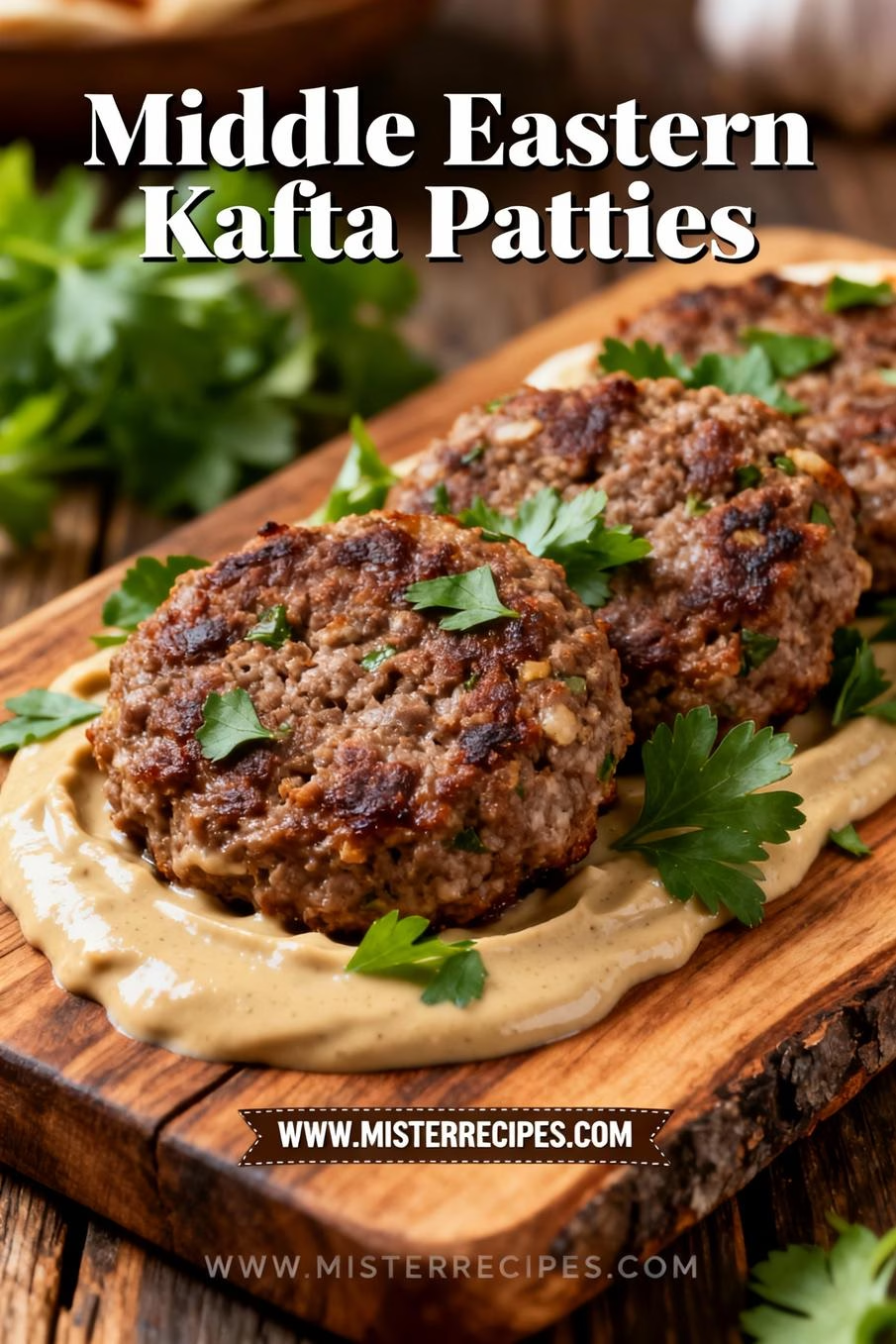

Middle Eastern Kafta Patties
Ingredients
Equipment
Method
- Prepare the Aromatics & Herbs: Use a box grater or food processor to finely grate the onion into a large mixing bowl, releasing its moisture. Add the minced garlic, finely minced fresh parsley, finely minced fresh mint (if using), Lebanese 7 spices (or Baharat), kosher salt, and black pepper.
- Combine the Kafta Meat Mixture: Add the ground beef to the bowl with the aromatics and spices. If using, incorporate the lightly beaten egg. Using your hands, gently fold the ingredients together until just combined, ensuring the herbs are evenly distributed. Do not over-mix to avoid tough patties.
- Chill the Mixture: Cover the bowl and refrigerate for at least 30 minutes, or up to 4 hours, to allow flavors to meld and the mixture to firm up.
- Shape the Kafta Patties: Retrieve the chilled mixture. Scoop about 1/3 cup of mixture and roll into a ball, then flatten slightly into an oval or round patty, about 3/4 inch thick. For skewers, mold around metal skewers (wet hands to avoid sticking). Wipe hands with water if moist.
- Cook the Kafta: For pan-frying, heat 1-2 tablespoons of olive oil in a large cast iron skillet over medium-high heat. Add patties and cook for 4-5 minutes per side, until browned and internal temperature reaches 160°F. For grilling, preheat to medium-high (400°F), brush grates with oil, grill 3-4 minutes per side until charred.
- Rest and Serve: Let patties rest for 5 minutes, then garnish with extra parsley and a sprinkle of sumac if desired. Serve warm.