
The Simmer and the Story: Finding Home in a Bowl of Spicy Nigerian Chicken Stew
There are certain smells that don’t just fill a room, they fill you. They snag the air in your lungs and rewind the clock, depositing you gently back into a moment you didn’t even realize you missed. For me, one of those smells is the deep, comforting aroma of roasted peppers and slow-simmered tomatoes that forms the heart of a truly great, spicy Nigerian chicken stew.
It was a Saturday last fall, cold and drizzly in Bend, and Ethan, my husband, was scrolling through old photos on the iPad. He paused on an image from our tiny, first apartment kitchen. I was stirring a massive pot, cheeks flushed from the steam and the heat of a dozen habanero peppers. “Remember that time you tried to make enough stew for a week, and we ended up eating it for two?” he laughed. That stew was my first tentative foray into West African cooking, heavily inspired by a dear friend’s mother.
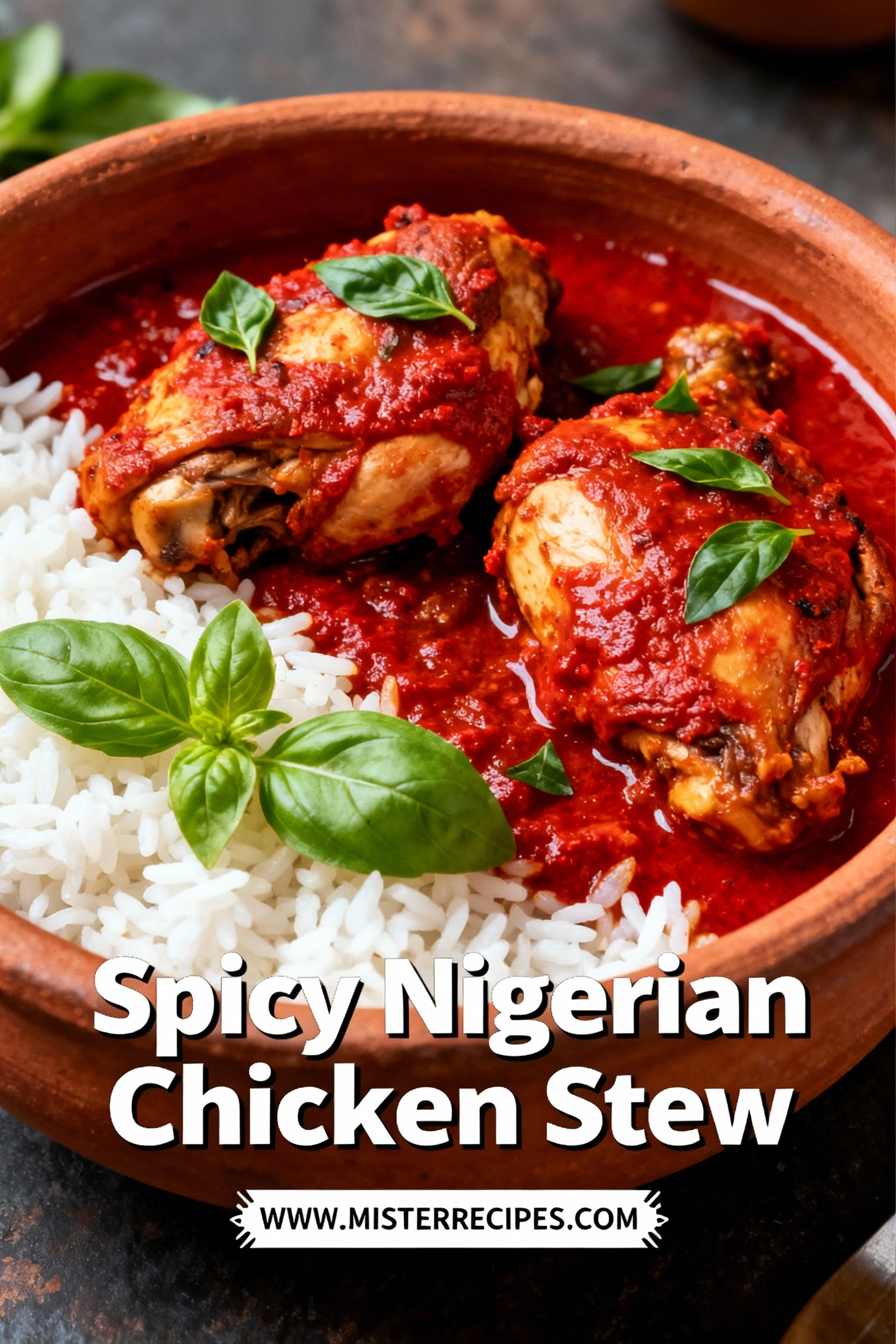
I realized then that this dish, more than just a recipe, is a marker of time, a delicious testament to the power of bold, complex flavors that can transform even the simplest comfort food. If you are looking for an authentic spicy Nigerian chicken stew recipe that is rich, bold, and incredibly satisfying, you have found it. This dish takes humble ingredients—chicken, tomatoes, onions, and peppers—and elevates them into something transcendent. It’s the perfect centerpiece for a family meal, especially when served over simple white rice or fluffy plantains. Today, I want to share my version of how to make spicy Nigerian chicken stew, emphasizing that wonderful depth of flavor that comes from roasting the base.
Why You’ll Love This Spicy Nigerian Chicken Stew
For those of us who appreciate food that sings with flavor and history, this recipe for Nigerian chicken stew with tomatoes and peppers is revolutionary. It’s not just another weeknight dinner, it’s an experience. Long-tail search data shows many of you are looking for an easy spicy Nigerian chicken stew recipe, and I promise, while the flavor is deep, the technique is straightforward and approachable, even for beginners.
This recipe consistently delivers on flavor and connection, making it one of the most requested meals among our neighbors and family. Here are a few reasons why this particular take on the West African chicken stew deserves a prime spot in your kitchen rotation:
- Unmatched Depth of Flavor: Unlike some rushed stews, we take the time to blend and lightly cook our pepper base (the tatashe, tomato, and scotch bonnet mix). This reduces the acidic tang of the tomatoes and creates that signature, deep red color and savory profile characteristic of Nigerian red stew.
- Perfect for Meal Prep: This bold and spicy chicken stew tastes even better the next day, making it an ideal candidate for batch cooking. It’s fantastic for work lunches or busy weeknight dinners. Just store it in individual containers, and you have a ready-made, high-protein meal.
- Customizable Heat: We use the potent, traditional combination of bell peppers and optional scotch bonnet peppers, which delivers incredible heat and flavor. However, I provide simple instructions on how to adjust the spice level, ensuring you can tailor the dish to your family’s preferences. Want a little less fire? Substitute jalapeño peppers for some of the habanero.
- Uses Humble, Wholesome Ingredients: The beauty of this comfort food lies in its simplicity. It relies on fresh produce and simple spices like curry powder and thyme, proving that the most memorable meals often come from the most basic, whole ingredients. We focus on the best quality chicken thighs or drumsticks, as they hold up beautifully to the long simmer.
- A True Connector: Food is language, and this stew tells a story of warmth and hospitality. Serving a homemade bowl of authentic Nigerian chicken stew is a gesture of love. It’s what we serve when we want our guests to feel deeply cared for, offering them a taste of a vibrant and rich culinary tradition. The rich aroma alone is enough to bring everyone to the table, usually with much anticipation.
Learning how to make spicy Nigerian chicken stew has enriched my life, not just my cooking, and I know it will do the same for you. It’s a hearty, thick stew that is satisfying, flavorful, and incredibly versatile, pairing wonderfully with everything from rice to fluffy Nigerian plantain.
Ingredients for Spicy Nigerian Chicken Stew
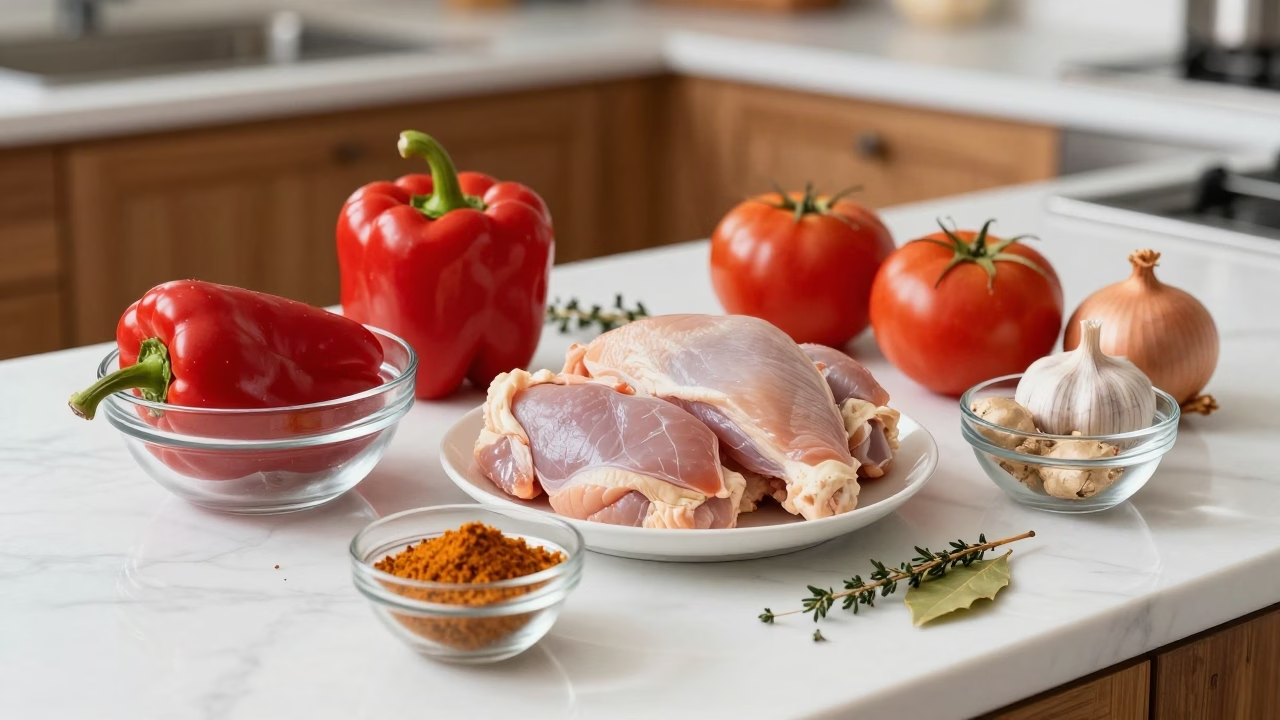
The success of the best Nigerian chicken stew lies in the foundation: the pepper mix, or ‘obe ata’. This combination of fresh vegetables creates the beautiful texture and color of the finished dish. We are going to focus on using fresh ingredients for the freshest flavor.
For the Chicken:
- 2.5 lbs Chicken pieces (Thighs and drumsticks are best. They yield a tender, moist result and are excellent for a bold and spicy chicken stew).
- 1 large Onion, chopped.
- 1 Tbsp Curry powder.
- 1 tsp Dried thyme.
- 1 Bouillon cube (or powder).
- Pinch of salt and black pepper.
- 1 cup Water or chicken stock.
For the Pepper Base (Obe Ata):
- 4-5 large Red bell peppers (known as tatashe in Nigeria).
- 2 medium Plum tomatoes or 1 (14.5 oz) can of canned crushed tomatoes.
- 1 medium Onion, roughly chopped.
- 1-3 Scotch bonnet or habanero peppers (Adjust to control the spice level. Use 3 for maximum, authentic heat—great for an spicy Nigerian tomato stew).
- 3 cloves Garlic.
- 1 inch Ginger, peeled.
For the Stew:
- 1/2 cup Vegetable oil (or olive oil).
- 1 small can (6 oz) Tomato paste.
- Remaining seasoning from cooking the chicken (bouillon, curry, thyme).
- Salt to taste.
Substitution Note: If you prefer a less fiery stew, substitute the scotch bonnet with 1-2 jalapeño peppers or simply omit them entirely for a mild Nigerian chicken stew.
How to Make Spicy Nigerian Chicken Stew
This process is broken down into three crucial stages: preparing and cooking the chicken, creating the pepper base, and finally, combining them for the long, fragrant simmer. This method gives us a beautiful thick hearty Nigerian stew every time.
Step-by-Step Instructions: The Secret to the Best Nigerian Red Stew
- Season and Cook the Chicken: In a large pot, combine the chicken thighs and drumsticks with the chopped onion, curry powder, thyme, bouillon cube, and a pinch of salt and pepper. Add 1 cup of water or stock. Bring to a boil, then reduce heat and simmer gently until the chicken is tender and cooked through (about 20-25 minutes). Remove the chicken and set aside. Crucially, reserve the flavorful broth; this is gold!
- Brown the Chicken (Optional but Recommended): For a deeper flavor and beautiful texture, you can quickly broil the chicken pieces in the oven or air fry them until the skin is golden brown and crispy. This step gives the spicy Nigerian chicken stew an extra layer of delicious complexity.
- Prepare the Pepper Base (The Obe Ata): Combine the red bell peppers, tomatoes, onions, garlic, ginger, and scotch bonnet peppers in a blender. Blend until perfectly smooth. This is the sauce base for your Nigerian tomato stew.
- Boil Down the Pepper Mix: Pour the smooth pepper puree into a clean pot and bring to a rolling boil over high heat. Cook uncovered for about 20-30 minutes, stirring occasionally. The goal here is to reduce the raw liquid content and volume by about one-third. The sauce will thicken considerably and darken slightly, concentrating the flavor. This step is vital for the authentic Nigerian chicken stew recipe; it prevents the final stew from tasting sour or watery.
- Start the Stew Base: In a separate, heavy-bottomed pot or Dutch oven, heat the vegetable oil over medium heat. Once shimmering, add the tomato paste. Fry the tomato paste for 5-7 minutes, stirring constantly. This step, sometimes called ‘caramelizing’ or ‘frying’ the paste, removes the metallic taste and deepens the color, which contributes significantly to the characteristic Nigerian chicken red stew color.
- Combine and Season: Pour the reduced pepper mix into the pot with the fried tomato paste. Stir well to combine. Let this mixture simmer for another 10-15 minutes, allowing the oil to separate and float to the top; this process, known as ‘bleeding the oil’, is another hallmark of a perfectly cooked Nigerian stew, indicating the water content is low.
- Finish the Stew: Add the reserved broth from cooking the chicken to the stew base. Stir in the remaining seasoning (bouillon, thyme, curry powder). Taste and adjust salt and pepper. The consistency should be thick, rich, and spoon-coating.
- Add the Chicken: Gently place the cooked or browned chicken pieces into the stew. Reduce the heat to low, cover the pot partially, and let the spicy Nigerian chicken stew simmer for at least 10 minutes (up to 30 minutes for a deeper infusion of flavor). This allows the chicken to absorb the rich sauce.
Pro Tips & Variations for Your African Chicken Stew
Making a great African chicken stew recipe is about technique and knowing how to adapt. These tips address different cooking challenges and dietary preferences, helping you customize this beloved dish.
Achieving the Perfect Red Color and Texture
One common issue is a stew that looks pink instead of the desired vibrant red. This is usually due to insufficient cooking time for the pepper base or not using enough high-quality red bell peppers (tatashe). Always ensure you boil down the pepper blend until it has significantly reduced in volume, and don’t skimp on the frying of the tomato paste!
Nigerian Chicken Stew with Chicken Thighs (My Preference)
While you can use breast meat, I highly recommend bone-in Nigerian chicken stew with chicken thighs and drumsticks. The bone and higher fat content infuse the stew with more flavor and keep the meat incredibly tender during the long, slow simmer. If you only use breasts, make sure to add them at the very end to prevent them from becoming dry or stringy.
Alternative Heat Source: Oven Roasted Peppers
For an incredibly deep, smoky flavor, try making oven roasted pepper Nigerian chicken stew. Instead of blending the raw bell peppers, onions, and tomatoes, halve them, brush with oil, and roast at 400°F until the skins are slightly charred (about 25 minutes). Then blend as instructed. This delivers a rich, complex undertone that enhances the entire tomato pepper chicken stew experience.
Low Carb Nigerian Chicken Stew Variation
If you’re following a low-carb diet, focus on making a robust, oil-rich stew base, use chicken thighs, and serve it over a non-traditional base. For a keto friendly Nigerian chicken stew, substitute the typical rice base with cauliflower rice. This is a brilliant way to enjoy the rich, satisfying flavor of this spicy Nigerian stew without the carbs, and the texture pairing is surprisingly excellent.
Spicy Nigerian Chicken Stew for Beginners (Mild Version)
If you love the flavor but not the fire, you can make a delicious, authentic red stew without the intense heat. Use only one (or zero) habanero/scotch bonnet peppers. You can substitute the missing heat with a touch of smoked paprika and a very small pinch of cayenne pepper, which provides warmth without the overwhelming capsaicin punch. This is a great mild Nigerian chicken stew without habanero for family meals involving young children or spice-sensitive guests.
Spicy Nigerian Chicken Stew Serving Suggestions
In Nigeria, this stew is often referred to as ‘stew for rice’ because it is essentially the quintessential pairing for that starchy staple. But the versatility of this thick hearty Nigerian stew goes far beyond. When considering what to serve with your spicy Nigerian chicken stew, think about things that can soak up that incredible, rich sauce.
1. White Rice or Jollof Rice
The traditional and most popular accompaniment. Simple, fluffy white rice is perfect because it lets the complexity of the stew shine. For a celebratory meal, consider pairing your Nigerian chicken stew for rice with a classic Jollof rice, creating a vibrant, flavorful plate often served at parties.
2. Fried Plantain (Dodo)
The sweetness of perfectly ripe, fried plantain (dodo) offers a wonderful counterpoint to the heat and acidity of the stew. The soft inner texture and sweet flavor are a fantastic palate cleanser. Serving Nigerian chicken stew with plantain is a match made in culinary heaven.
3. Tubers and Starches (Fufu, Pounded Yam, Eba)
For a truly traditional African meal experience, serve the stew alongside a swallow, such as pounded yam, fufu, or eba. These starches are used to scoop up the stew, facilitating the mixing of the bold sauce and preventing waste. The chewiness of the swallows contrasts beautifully with the tender Nigerian chicken stew with chicken thighs.
4. Simple Steamed Vegetables
To lighten the meal and add some green, a side of lightly steamed kale, collard greens, or spinach tossed simply with salt and a touch of butter is a delicious, healthy option. This is especially good if you are making a healthy spicy Nigerian chicken stew with little oil and want to boost your fiber intake.
Spicy Nigerian Chicken Stew Storage & Reheating
This spicy Nigerian chicken stew is perhaps best known for its incredible meal prep potential. It’s a dish that benefits immensely from sitting overnight as the flavors marry and the spices truly settle into the sauce.
Storage:
- Refrigerator: Store leftover stew in airtight containers. It keeps beautifully for 4 to 5 days. For ease of use, I recommend storing the stew and the rice/sides separately. This stew is ideal for meal prep containers.
- Freezer: This stew freezes exceptionally well! Ladle the cooled stew into freezer-safe bags or containers (leaving some headspace for expansion). It holds its quality for up to 3 months. Thaw overnight in the refrigerator before reheating. Note that if you used bone-in meat, freeing may cause the chicken bones to become slightly brittle upon thawing, but the flavor will remain superb.
Reheating:
- Stovetop (Best Method): Pour the stew into a saucepan and reheat gently over medium-low heat, stirring occasionally. If the stew has thickened too much during cooling, add a splash of water or chicken stock to reach your desired consistency.
- Microwave: Great for quick lunches! Heat individual portions in 30-second bursts, stirring in between to ensure even heating.
FAQ about Spicy Nigerian Chicken Stew
Let’s answer some of the most common questions surrounding this savory, West African chicken stew, addressing points that often come up when readers ask how to make spicy Nigerian chicken stew.
Q: What is the difference between Nigerian Chicken Stew and Nigerian Red Stew?
A: The terms are often used interchangeably, but ‘Nigerian Red Stew’ refers to the base sauce, also known as ‘Obe Ata’ (pepper sauce). When a protein (like chicken, beef, or fish) is added to the sauce, it becomes the defined stew (e.g., Nigerian chicken pepper stew). Essential ingredients for both involve a blend of tomatoes, red bell peppers, onions, and often, scotch bonnet peppers.
Q: Can I make this stew with fresh tomatoes instead of canned?
A: Absolutely! Using fresh tomatoes is traditional and encouraged. For an authentic spicy Nigerian chicken stew with fresh tomatoes, use 8-10 ripe Roma or plum tomatoes. Be aware that the cook time for your pepper base (Step 4) might be slightly longer, as fresh tomatoes contain more water than canned ones. The key is reducing the water content until the oil ‘bleeds’ out for maximum flavor concentration.
Q: Can I use pre-cooked, store-bought rotisserie chicken?
A: Yes, you can use pre-cooked chicken, which makes this an even faster, easy spicy Nigerian chicken stew. Skip steps 1 and 2 and use bone broth or stock to cook the spices (curry powder, thyme) down a little before adding to the stew base. Add the shredded or cubed rotisserie chicken only in the last 5 minutes of simmering to prevent it from becoming tough.
Q: I am new to African cooking; what is the easiest way to make the stew flavorful?
A: The single most critical step for flavor is taking the time to slowly fry the tomato paste (Step 5) and then gently simmering the pepper mix until it has significantly reduced (Steps 4 and 6). When the oil begins to float to the top and the sauce’s color deepens to a rich red, that’s your sign that the sour flavors have been cooked out, leaving behind a rich, umami-packed sauce suitable for the traditional spicy Nigerian party chicken stew.
Q: Where can I find more resources on West African recipes?
A: I highly recommend checking out resources like HomeDishy.com, who have an excellent take on this dish, and often feature other wonderful African food staples like jollof rice and plantains. You can see their version of the spicy Nigerian chicken stew here: rich and spicy Nigerian stew.
Final Thoughts: Gratitude in the Kitchen
Cooking this spicy Nigerian chicken stew always reminds me that cooking is not about speed; it’s about paying attention. This dish demands time—time to blend, time to reduce, time to simmer. And in that slow, deliberate process, we find a grounding gratitude for the ingredients, the process, and the people we are feeding.
The kitchen is often where the most important conversations happen, and dishes like this, which take a little love and patience, are the perfect soundtrack to those moments. When Ethan came in from the cold that night, pulling the kids into the kitchen, the warmth of the spices and the rich color of the sauce felt like a hug. Food is memory made tangible, and I hope this rich, bold, and traditional Nigerian chicken stew becomes a beautiful memory for you and your family, too.
Happy cooking, and remember: connection, not perfection, is the goal.
If you tried this recipe, please leave a comment below and let me know how it turned out! Be sure to pin this recipe to your favorite boards! Easy chicken stew for dinner is always welcome.

Spicy Nigerian Chicken Stew
Ingredients
Equipment
Method
- In a large pot, combine chicken pieces, chopped onion, curry powder, thyme, bouillon cube, salt, and pepper. Add 1 cup water or chicken stock.
- Bring to a boil over medium-high heat, then reduce heat to low and simmer gently for 20-25 minutes until chicken is tender and cooked through.
- Remove chicken pieces and set aside. Reserve the flavorful broth for later use - this is essential for the stew's flavor.
- For extra flavor and texture, brown the chicken pieces in an air fryer or under a broiler until golden and crispy (optional but recommended).
- Combine red bell peppers, tomatoes, onion, garlic, ginger, and scotch bonnet peppers in a blender. Blend until perfectly smooth.
- Pour the smooth pepper puree into a clean pot and bring to a rolling boil over high heat.
- Cook uncovered for 20-30 minutes, stirring occasionally, until the mixture reduces by about one-third and thickens. The color will darken slightly.
- In a heavy-bottomed Dutch oven, heat vegetable oil over medium heat. Once shimmering, add tomato paste.
- Fry the tomato paste for 5-7 minutes, stirring constantly, until it darkens in color and loses its metallic taste.
- Pour the reduced pepper mix into the pot with the fried tomato paste. Stir well to combine.
- Let this mixture simmer for 10-15 minutes until the oil begins to separate and float to the top (this is called 'bleeding the oil').
- Add the reserved chicken broth to the stew base. Stir in any remaining seasoning from the chicken cooking process.
- Taste and adjust salt and pepper as needed. The consistency should be thick, rich, and spoon-coating.
- Gently place the cooked chicken pieces into the stew. Reduce heat to low, partially cover the pot, and simmer for 10-30 minutes to allow flavors to meld.