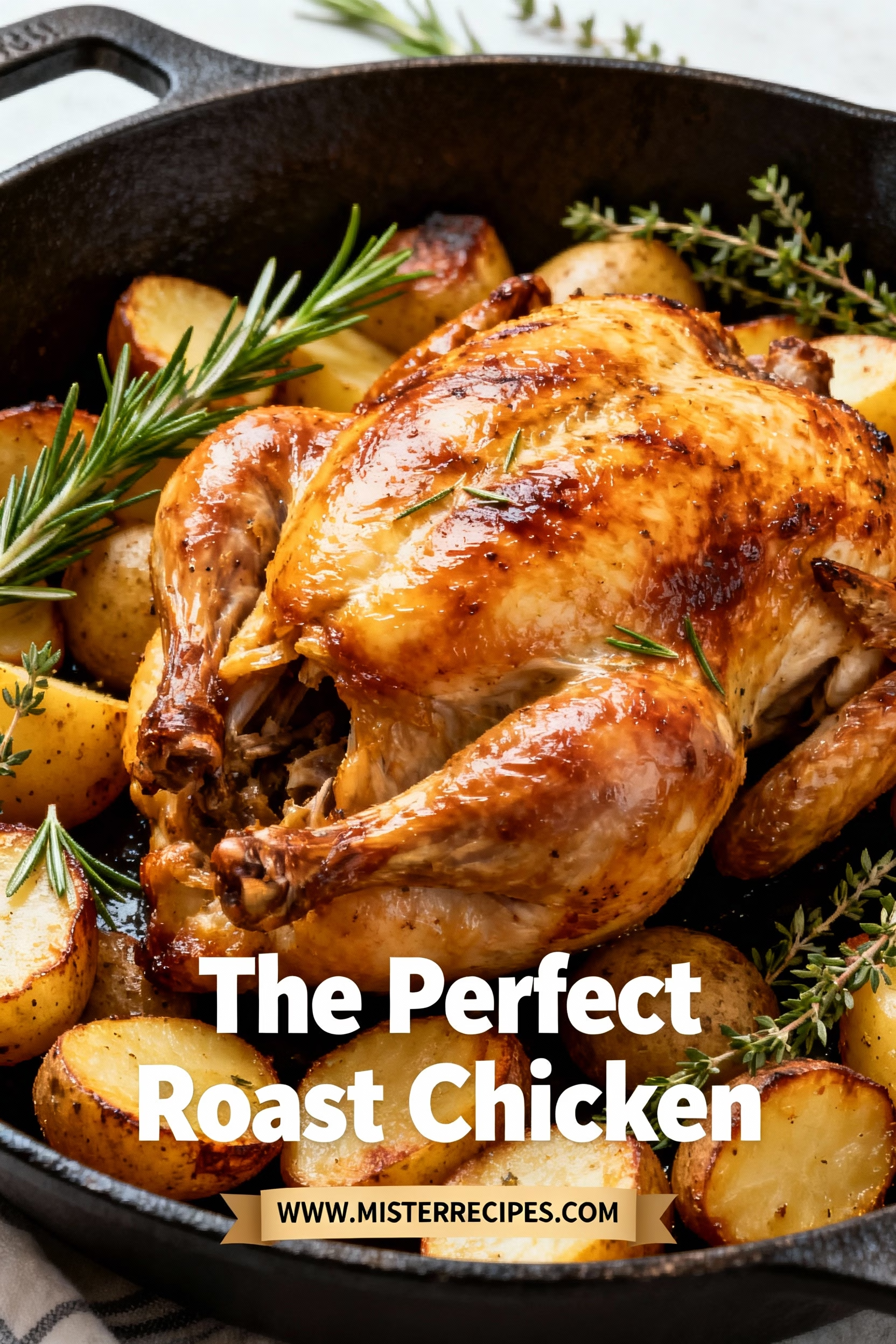
The Perfect Roast Chicken: More Than Just Sunday Supper
Is there a dish that anchors your heart to the kitchen quite like a perfectly roasted chicken? For me, the answer is no. This recipe for The Perfect Roast Chicken isn’t just about food, it’s about a feeling. It’s the scent of fresh rosemary and browning butter that signals everyone to drop their devices, shed their hurried day, and come home. Ethan calls it my ‘culinary siren call,’ and frankly, he’s not wrong. Every time I set a golden, glistening bird on the table, it instantly erases the chaos of the week. This isn’t one of those fussy recipes. This is the simple, delicious, and family-friendly method that produces the most tender, juicy meat and skin you could possibly ask for. We’ll be focusing on making a true crispy skin roast chicken, getting that deep, savory flavor, and learning the simple tricks to make this dish a total weekly staple. If you’ve ever wondered how to roast a chicken in 90 minutes that rivals any restaurant, stick with me. We are going to turn an ordinary Tuesday into a feast of gratitude.
Why You’ll Love This The Perfect Roast Chicken Method
When I think about the meals that have defined our family life, so many of them feature a centerpiece like this roast chicken. It’s comforting, economical, and incredibly versatile. Here’s why this particular approach simplifies things without sacrificing flavor:
- Effortless Comfort Food: I promise, roasting a chicken is far less intimidating than you might think. This method uses high heat initially to ensure the skin crisps up beautifully, then lowers it to cook the meat through evenly, resulting in meat that falls off the bone. It’s the ultimate ‘set it and forget it’ for family dinners.
- Crispy Skin Guarantee (The Secret is Butter and Salt): We utilize a simple technique of slathering the bird in softened butter, mixed with fresh herbs and a generous amount of coarse salt. This creates a protective, flavor-infusing crust that guarantees that audible crunch every time. If you’re looking for a simple whole roast chicken recipe that delivers on texture, look no further.
- Two Meals In One: The true value of a roast chicken, particularly for busy parents like us, is what comes next. Once the initial meal is done, the carcass is immediately transformed into the best homemade chicken stock. This not only stretches your dollars but also fills your freezer with nutrient-dense goodness. Nothing goes to waste here, which speaks directly to my philosophy of minimal waste in the kitchen.
- Kid-Friendly Perfection: Let’s face it, getting Adams and Jana to agree on a dinner usually involves tough negotiations. But a roast chicken? That’s universal approval. They love pulling apart the drumsticks and savoring the simple, savory flavor of the meat seasoned only with herbs, salt, and pepper. It’s a clean flavor palate that pairs well with virtually any side dish, from roasted potatoes to simple steamed green beans.
- Incredible Aromatics: The combination of fresh rosemary, thyme, and lemon stuffed inside the cavity fills the entire house with the most intoxicating scent. It’s deeply satisfying and immediately elevates the mood. Whether it’s Sunday dinner or just a mid-week pick-me-up, this recipe promises an exceptional culinary experience.
- Dietary Flexibility: Naturally gluten-free and low-carb, this recipe is incredibly adaptable. It’s simply perfectly seasoned poultry, allowing it to fit into most healthy eating plans. We often serve it alongside a big winter salad or vibrant steamed vegetables.
Ingredients for The Perfect Roast Chicken
Keep your ingredients simple and high-quality. A better bird and fresher herbs make all the difference when you are aiming for true comfort food. This recipe is designed for a 4 to 5-pound chicken.
- One (4 to 5 pound) whole chicken, giblets removed
- 1 large lemon, halved
- 1 head of garlic, sliced in half horizontally
- 2 sprigs fresh rosemary
- 4 sprigs fresh thyme
- 4 tablespoons unsalted butter, softened
- 2 teaspoons coarse kosher salt, plus more for seasoning
- 1 teaspoon freshly ground black pepper
- 1 tablespoon olive oil (optional for the potatoes)
- Optional: 1 pound small potatoes (like Yukon Gold or fingerling), halved, if roasting simultaneously.
Substitutions Note: If you don’t have fresh herbs, use 1 teaspoon dried rosemary and 1/2 teaspoon dried thyme, but fresh is strongly encouraged for the best flavor and aroma!
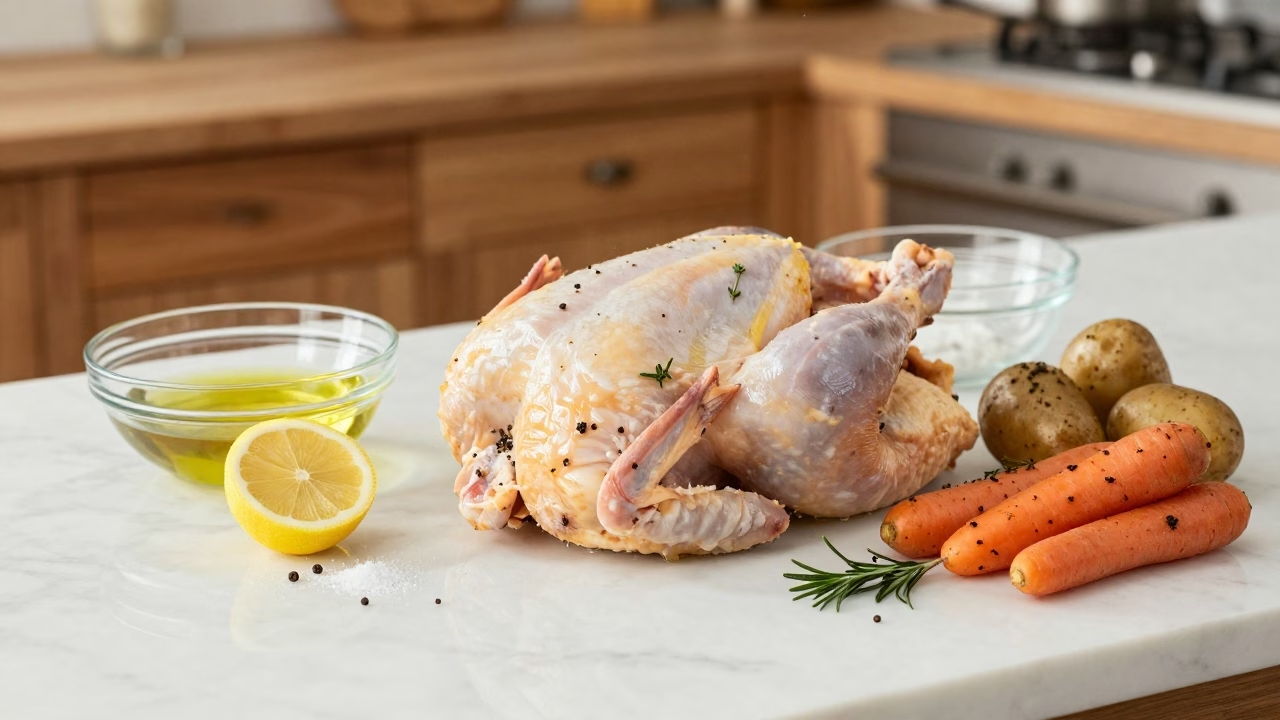 The Perfect Roast Chicken – Crispy Skin Family Favorite in 90 Minutes.
How to Make The Perfect Roast Chicken: Achieving the Crispy Skin Family Favorite
This process is about layering flavor and managing heat. Follow these steps for the juiciest interior and the crunchiest exterior.
Step-by-Step Instructions: Mastering the Crispy Skin Roast Chicken
- Prep the Bird (Crucial Step): Remove the chicken from its packaging. Using paper towels, pat the chicken thoroughly dry, both inside and out. Wet skin results in steam, and steam prevents crispiness. Dryness is key to achieving that perfect crispy skin roast chicken. Place the dried chicken in a large roasting pan or cast-iron skillet.
- The Herb Butter Rub: In a small bowl, mix the 4 tablespoons of softened butter with 2 teaspoons of coarse salt, 1 teaspoon of pepper, and the fresh leaves stripped from two sprigs of thyme and one sprig of rosemary. It should look like a pale green, fragrant paste.
- Seasoning Strategy: Using your fingers, gently separate the skin from the breast meat. Push about half of the herb butter mixture underneath the skin, distributing it evenly over the breast meat. This infuses the white meat with moisture and flavor. Then, spread the remaining butter mixture all over the outside of the skin, rubbing it thoroughly into the legs and wings. Be generous with the remaining kosher salt sprinkled over the entire surface now. This ensures the crispiest chicken skin.
- Stuffing the Cavity: Place the halved lemon, the halved head of garlic, and the remaining sprigs of rosemary and thyme inside the chicken cavity. This creates internal steam and perfume, flavoring the meat from the inside out. Ethan always advises me to make sure the door to the cavity is open enough for air circulation, but the aromatics should be snugly fit. You can truss the legs with kitchen twine if you like a tidy presentation, but for everyday cooking, I skip this step.
- Preheat and High-Heat Blast: Preheat your oven to a high temperature, 425°F (220°C). If you are using potatoes, toss them with a little olive oil, salt, and pepper and scatter them around the chicken in the pan. The potatoes will absorb the delicious rendered chicken fat as they roast. Place the chicken in the center rack.
- The 90-Minute Roast Method: Roast the chicken at 425°F for the first 25 minutes. This high heat is what shocks the skin and locks in that intense crunch.
- Reduce and Finish: After 25 minutes, reduce the oven temperature to 375°F (190°C) without opening the door if possible. Continue roasting for another 60 to 70 minutes, or until the internal temperature registered in the thickest part of the thigh (avoiding the bone) reaches 165°F (74°C). The skin should be a deep, beautiful golden brown. Total cooking time for a 5-pound bird is usually around 90 minutes. This is how we achieve a perfect, quick roast chicken that’s still unbelievably tender.
- Resting is Non-Negotiable: Carefully remove the pan and transfer the chicken to a large cutting board. This is arguably the most important step for juicy chicken. Tent it loosely with aluminum foil and let it rest for at least 15 minutes. This allows the juices, which have been pushed to the center of the bird by the heat, to redistribute throughout the meat. Cutting too soon equals dry chicken.
- Carve and Serve: Carve the chicken and serve immediately with the roasted potatoes and any pan juices spooned over the top. The aroma alone will have everyone rushing to the table.
Pro Tips & Variations for The Ultimate Roast Dinner
Roast chicken is a canvas, not a rigid rule. Here are my favorite ways to adjust and perfect this simple masterpiece, ensuring you get the most out of your weeknight roast chicken.
Tip 1: The Butter-Under-the-Skin Trick
I know I mentioned it, but it bears repeating. Getting that herbed butter under the skin is the single greatest technique for ensuring the white meat stays supremely moist while the exterior crisps up. Don’t be afraid to really work your fingers under there. You’re essentially bâti-ing the breast meat from the inside out. This makes the crucial difference between a good chicken and The Perfect Roast Chicken.
Tip 2: Mastering the Temperature
An instant-read meat thermometer is a non-negotiable kitchen tool for poultry. While 165°F is the standard safe temperature, many chefs pull it between 160°F and 162°F, knowing that carryover cooking will bring it up to 165°F while it rests. If you are roasting a particularly large bird (over 6 pounds), consider using a slightly lower temperature (400°F reduced to 350°F) to ensure the heat penetrates slowly and evenly to prevent the outside from drying out before the inside is cooked. For busy weeknight dinners, sticking to the 90-minute high-heat variation works best for 4-5 pound birds.
Tip 3: The Pan Drippings Are Liquid Gold
Don’t toss those juices left in the roasting pan! They are packed with flavor. After you remove the chicken, place the pan on the stovetop over medium heat. Add about a cup of dry white wine or chicken stock, scraping up all the browned bits from the bottom. Simmer quickly for about 5 minutes until reduced slightly. Strain this quick pan sauce. This concentrated flavor bomb is an incredible accompaniment and uses up all the lovely rendered fats.
Variation 1: Spatchcocking for Speed
If you need your chicken done even faster, consider spatchcocking (removing the backbone and laying the chicken flat). This significantly reduces cooking time, usually down to about 60 minutes for a standard 4-pound bird, and provides maximum skin exposure for ultimate crispiness. It’s the best option for those super quick weeknight roast dinners. Simply proceed with the butter rub and seasoning, but place the flattened chicken on a wire rack set over a baking sheet.
Variation 2: Spice Rub Instead of Butter
For a different flavor profile, especially if you want a bolder, smoky flavor, replace the herb butter with a generous rub of smoked paprika, garlic powder, onion powder, and a pinch of cayenne pepper mixed with olive oil. This is fantastic when you want a break from the classic French-style butter chicken and results in a beautiful, rich mahogany color. We often make this version when hosting game nights.
The Perfect Roast Chicken Serving Suggestions
One of the beauties of a simple, perfectly seasoned roast chicken is its ability to pair with nearly anything. It truly is the centerpiece of a nourishing meal. Here are some of our family’s favorite companions:
- Roasted Root Vegetables: If you didn’t manage to squeeze them in the pan with the chicken, a simple mix of carrots, parsnips, and sweet potatoes tossed in maple syrup and thyme roasted at the same temperature is divine.
- Creamy Mashed Potatoes: Nothing says Sunday dinner like a towering serving of fluffy, buttery mashed potatoes, perfect for soaking up those luscious pan drippings. For an easier weeknight version, try a quick mash of celery root and potatoes.
- A Bright, Acidic Salad: To cut through the richness of the chicken, I love serving a simple salad of mixed greens, shaved fennel, and segments of orange tossed in a bright vinaigrette. The acidity is a wonderful counterpoint to the savory meat.
- Simple Green Beans Almondine: A quick, classic side. Blanch the green beans, then sauté them quickly with sliced almonds and a little butter. It adds a lovely textural element and a pop of green freshness.
- Homemade Gravy: If you have the time and the drippings, a rich, flavorful gravy using flour or cornstarch as a thickener is always a winner. It elevates this dish from a simple meal to a true celebration of food.
The Perfect Roast Chicken Storage & Reheating
If you’re anything like us, you plan on leftovers. Roast chicken leftovers are infinitely useful, providing the base for quick salads, sandwiches, and soups all week long.
Storage
Once the chicken has cooled completely (about 1 to 2 hours at room temperature), carve the remaining meat off the bone. Store the leftover meat in an airtight container in the refrigerator for up to 4 days. I like to keep the white and dark meat separated. Pro tip: Don’t dispose of the bones! Place the carcass, neck, and wing tips in a large pot or freezer bag. This is the foundation for an incredible, deeply flavorful homemade chicken broth.
Reheating
Reheating roasted chicken without drying it out is an art. Avoid the microwave, which often makes the meat rubbery.
- Oven Method (Best for Crispy Skin): Preheat your oven to 300°F (150°C). Place the carved chicken pieces (or the remaining leg/breast) on a baking sheet. Drizzle with a tablespoon or two of chicken stock and cover the dish tightly with foil. Heat for 15 to 20 minutes, or until warmed through. The stock creates steam, rehydrating the meat gently.
- Air Fryer Method (Best for Small Batches): If you only have a few pieces, the air fryer at 325°F for about 5 to 7 minutes works exceptionally well to crisp up the skin again while ensuring the meat stays moist inside.
FAQ about The Perfect Roast Chicken
Over the years, readers have asked me the same few questions about how to get that perfect result. Here are the answers to the most common queries:
Q: Do I need to rinse or wash the chicken before roasting?
A: Absolutely not, and please don’t! Washing raw poultry in the sink actually increases the risk of cross-contamination by splashing bacteria (like salmonella) onto your counters and utensils. The high heat of the oven will kill any bacteria. The only necessary prep step is to vigorously pat the chicken dry with paper towels to ensure crispy skin.
Q: What kind of roasting pan is best for crispy skin?
A: I prefer a shallow roasting pan (like a cast-iron skillet or an aluminum sheet pan with raised sides) rather than a deep vessel. The deeper the pan, the more the sides block the heat from circulating around the bottom and sides of the bird. Good air circulation is essential for crispy skin underneath the bird. If you have a wire rack that fits inside your pan, use it, as this lifts the chicken out of the rendered fat.
Q: Can I really get a whole roast chicken ready in 90 minutes?
A: Yes, for chickens weighing 5 pounds or less, roasting a chicken in 90 minutes is entirely achievable using the high-heat method detailed here. Remember, total time is crucial: 25 minutes at 425°F, followed by 60-70 minutes at 375°F, plus 15 minutes of resting time. Always confirm doneness with a meat thermometer.
Q: What can I do with the flavorful pan drippings?
A: Besides making the simple pan sauce I described earlier, the drippings are perfect for tossing with your roasted vegetables right before serving, or you can refrigerate them. Once chilled, the rendered chicken fat (schmaltz) separates from the juices. Skim off the schmaltz and use it as a highly flavorful cooking fat for frying eggs, sautéing vegetables, or making perfect potato latkes. Serious Eats often highlights the versatility of chicken drippings.
Q: Why is resting the chicken so important?
A: Rest is rest! Think of the meat resting as essential as the cooking itself. When the chicken is in the hot oven, the muscle fibers contract and push all the moisture (juices) to the center. If you slice into it immediately, those juices spill out onto the cutting board, resulting in dry breast meat. Allowing it to rest loosely tented for 15 minutes allows the muscle fibers to relax and reabsorb that moisture, resulting in a significantly more tender and juicy final product.
Final Thoughts on the Language of Food
Cooking The Perfect Roast Chicken is not about achieving some impossible, idealized standard found in a magazine; it’s about the connection it fosters. It’s the ritual of taking something simple, adding a few fresh herbs, and transforming it into a meal that draws everyone closer. I remember the year Ethan and I first made this exact recipe in our tiny Bend kitchen. The power went out mid-roast, and we finished it on the grill, a smoky, slightly charred testament to perseverance. Adams still talks about that dinner.
Food, especially this simple, perfect kind of food, is memory in action. It’s a quiet reflection on gratitude, a reminder that the greatest comfort is often found not in complexity, but in the shared, simple pleasure of breaking bread (or carving a chicken, as it were) with the people we love. Don’t worry about perfection tonight. Just enjoy the process, savor the aroma, and watch your family gather around the warmth of the skillet.
If you loved this crispy skin roast chicken recipe, don’t forget to save it to your favorite Pinterest board, share it with a friend who needs a comforting meal, and subscribe to our newsletter for more stories from the skillet and reliable family recipes! Click here for more dinner ideas!