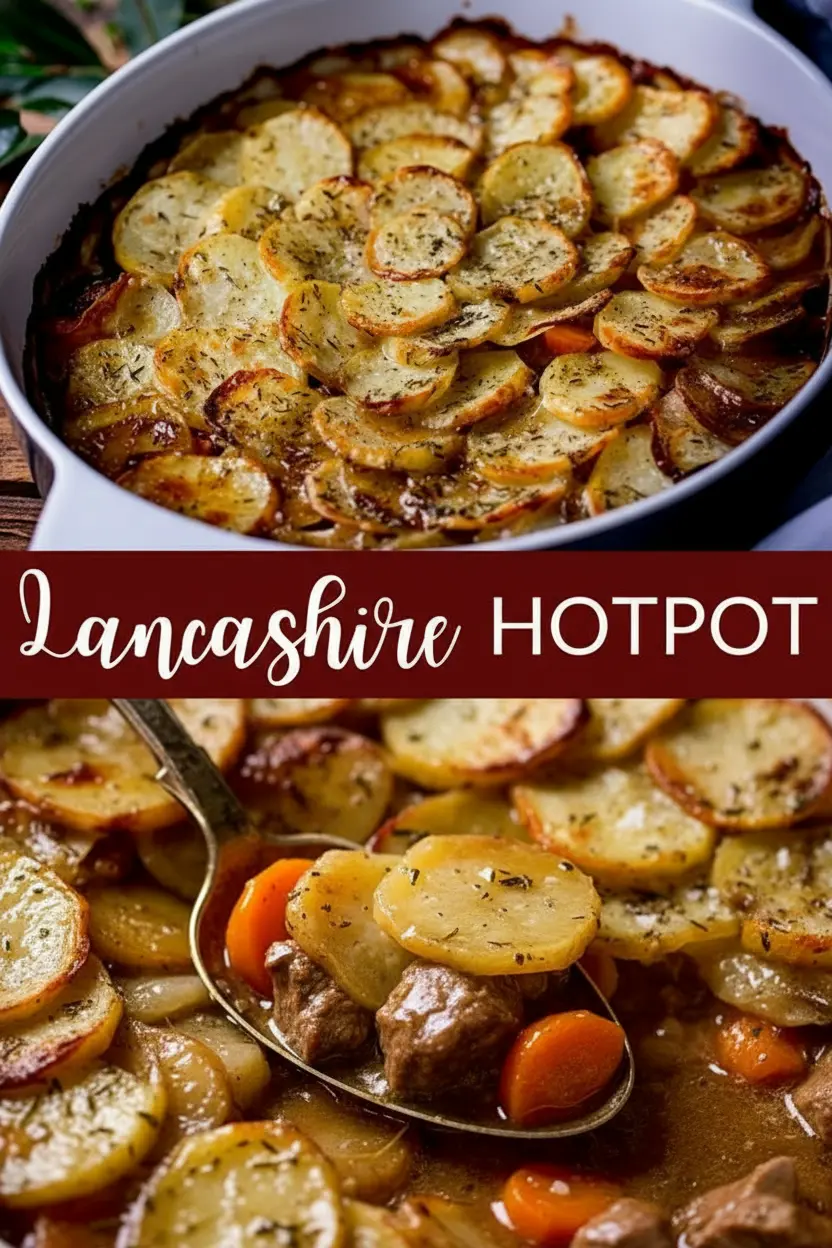
When autumn leaves begin to twirl outside our Bend kitchen window, bringing with them a crispness that whispers of longer nights and cozy fires, my thoughts, almost without fail, drift to dishes that warm you from the inside out. There’s a certain magic in a meal that arrives bubbling and golden from the oven, filling the house with an aroma that feels like a hug. That’s precisely the spell a Traditional Lancashire Hotpot casts. This isn’t just about cooking, it’s about connection, about moments etched in memory, and for me, it always brings me back to Ethan, our two children, and the comforting pulse of home.
I remember the first time I made an authentic Lancashire Hotpot here in Oregon, years ago. Ethan, always my biggest culinary adventurer, had heard about it from a British colleague. He described it with such longing, this hearty stew with its iconic crispy potato topping. I pictured something rustic, wholesome, and profoundly satisfying. It felt like bringing a piece of distant culinary history right into our own dining room, a little British comfort food straight to the Pacific Northwest. The preparation unfolded over a quiet afternoon, a true labor of love that filled our home with the savory scent of slow-cooked lamb and onions. When it finally emerged, golden and steaming, the kids, Adams and Jana, were practically bouncing with curiosity. That first spoonful, rich and tender below the buttery, crisp potatoes, was pure bliss. It’s funny how food can be a time machine, isn’t it? One bite, and you’re transported to a specific place, a specific feeling, or in my case, a particularly heartwarming memory around our family table.
This classic hotpot, with its humble origins and robust flavors, speaks a language of nourishment and love. It’s a dish that demands a little patience, a willingness to let simple, quality ingredients shine, and in return, it offers an unparalleled sense of contentment. If you’ve been looking for an easy Lancashire hotpot recipe that delivers on both taste and tradition, you’ve found it here. We’ll explore how to achieve that perfect balance of tender lamb and a gloriously golden, crunchy potato crust, making weeknight dinners or cozy weekend meals truly special.
Table of Contents
- Why You’ll Love This Traditional Lancashire Hotpot
- Ingredients for Traditional Lancashire Hotpot
- How to Make Traditional Lancashire Hotpot
- Pro Tips & Variations
- Traditional Lancashire Hotpot Serving Suggestions
- Traditional Lancashire Hotpot Storage & Reheating
- FAQ about Traditional Lancashire Hotpot
- Final Thoughts
Why You’ll Love This Traditional Lancashire Hotpot
There’s a reason some dishes transcend generations and geography, becoming ingrained in the fabric of comfort food, and this traditional Lancashire Hotpot recipe is absolutely one of them. For me, it’s more than just a meal, it’s an experience. The aromas alone, as it slowly bakes, are enough to make your heart feel full. From its rich history to its undeniable appeal on a cold evening, here’s why I know you’ll fall head over heels for this recipe, just as my family has:
- Ultimate Comfort in Every Bite: Is there anything more comforting than a hearty stew, brimming with tender meat and vegetables, topped with perfectly roasted potatoes? I think not. This is pure, unadulterated comfort food that speaks to the soul. It’s the kind of meal that wraps around you like your favorite old blanket after a long day.
- A Feast for the Senses: The crispy, golden brown potato topping is truly the star, offering a delightful textural contrast to the melt-in-your-mouth lamb and rich gravy beneath. The sight of it emerging from the oven is enough to elicit oohs and aahs, and the smell will have everyone gathering in the kitchen.
- Surprisingly Simple, Deeply Flavorful: Don’t let the old-world charm intimidate you. While it bakes for a while, the hands-on preparation for this slow-cooked Lancashire hotpot is surprisingly straightforward. It relies on the magic of slow cooking to transform humble ingredients into something truly extraordinary. You’re creating layers of flavor with minimal fuss, which is a win in any home kitchen.
- Family-Friendly and Crowd-Pleasing: This dish is a guaranteed hit with both adults and picky eaters, including Adams and Jana. The mild, savory flavors are universally appealing, and what child can resist those crispy potatoes? It’s perfect for a weeknight family dinner, but also impressive enough to serve when friends gather around your table.
- Minimal Waste, Maximum Flavor: Embracing the philosophy of using whole ingredients and creating minimal waste, this recipe often lends itself to using cuts of lamb that might be overlooked, like shoulder or neck, which become incredibly tender and flavorful with slow cooking. It’s a testament to how humble ingredients, treated with respect, can yield the most delicious results.
- Connection, Not Perfection: This hotpot reminds me that cooking isn’t about achieving a flawless culinary masterpiece each time, but about the joy of the process, the act of nourishing those we love, and the memories created around the table. It’s a forgiving dish that celebrates resilience and simple goodness.
- History on a Plate: Each spoonful connects you to centuries of culinary tradition. This isn’t just a British dish, it’s a living piece of culinary heritage, and you can truly taste that depth in its rustic simplicity. You’re partaking in a legacy, which I find incredibly moving. For more historical context, I often look to resources like Kitchen Sanctuary, which provides some fascinating insights into the history of dishes like this.
So, get ready to embrace the warmth and tradition of this incredible dish. It’s more than just a meal; it’s an invitation to slow down, savor, and connect.
Ingredients for Traditional Lancashire Hotpot
Gathering your ingredients is the first step in creating this truly magnificent traditional Lancashire Hotpot. The beauty of this recipe lies in its simplicity and the quality of its components. Here’s what you’ll need to bring this classic to life:
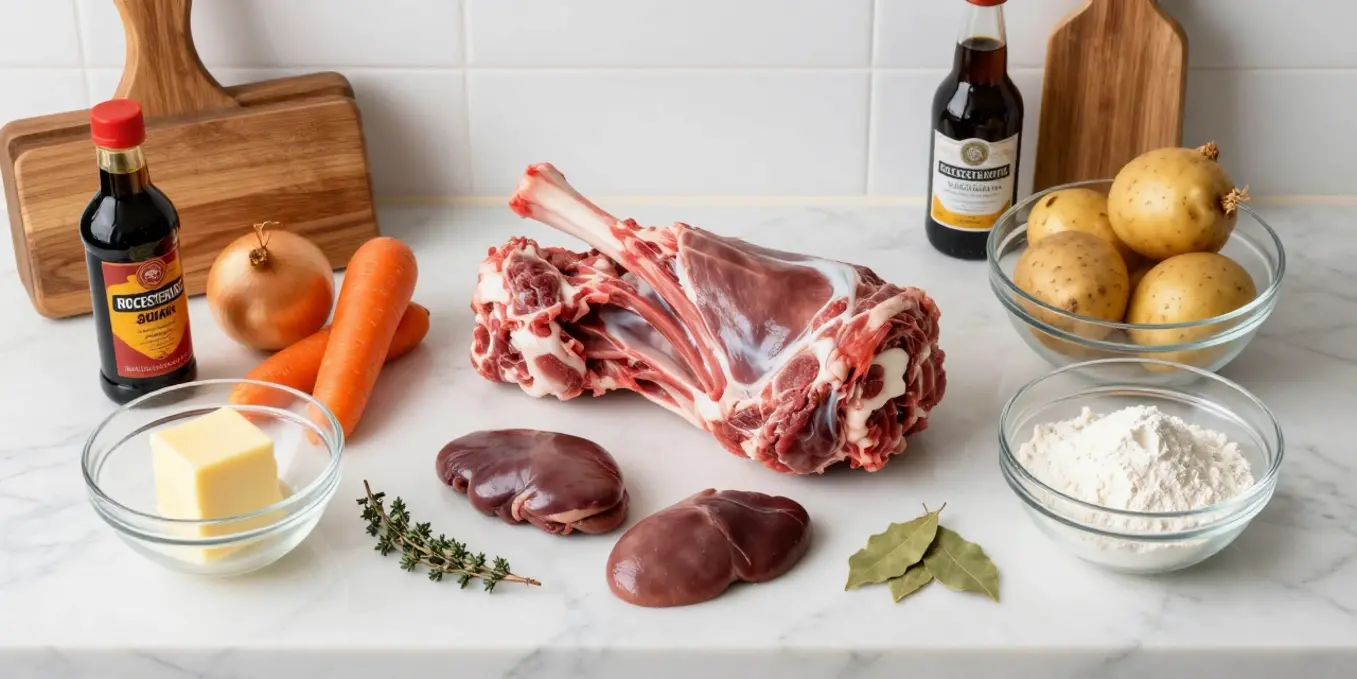
- Lamb Shoulder or Neck Fillet: About 2 pounds, cubed into 1,5 inch pieces. This cut is perfect for slow cooking, becoming incredibly tender and flavorful.
- Potatoes: Approximately 2,5 pounds. Opt for starchy varieties like Russet or Yukon Gold, as they crisp up beautifully and absorb flavor from the stew below.
- Onions: 2 large, sliced thinly. They add a wonderful sweetness and depth when caramelized.
- Carrots: 2 medium, peeled and sliced into rounds. For a touch of color and earthy sweetness.
- Lamb Stock: 4 cups, good quality. This forms the base of your rich gravy. Beef stock can be substituted in a pinch.
- All-Purpose Flour: 2 tablespoons. To help thicken the stew slightly.
- Worcestershire Sauce: 1 tablespoon. A secret weapon for adding umami and a wonderfully savory kick.
- Butter: 2 tablespoons, unsalted, plus extra for dotting the potatoes. For sautéing and enriching the dish.
- Olive Oil: 1 tablespoon. For searing the lamb.
- Salt and Freshly Ground Black Pepper: To taste. Essential for seasoning every layer of flavor.
- Bay Leaves: 2, dried. Their subtle aroma adds a classic note to the stew.
- Fresh Thyme Sprigs: 2-3 (optional). For an extra layer of aromatic complexity.
- Optional additions: For an even more historically accurate flavor, consider adding a few lamb kidneys, trimmed and halved, alongside the lamb. They add a rich, deep flavor that’s truly traditional. Sometimes, I even include a handful of sliced mushrooms for an extra earthy dimension.
How to Make Traditional Lancashire Hotpot
Step-by-Step Instructions
Making a traditional Lancashire Hotpot is a journey, not a race. It’s an act of love, truly, and with each step, you’ll feel the comforting anticipation build. Let’s create something delicious, together.
- Prepare Your Lamb: Begin by patting your cubed lamb pieces completely dry with paper towels. This crucial step ensures a good sear. Season generously with salt and freshly ground black pepper. In a large, oven-safe Dutch oven or heavy-bottomed pot, heat the olive oil and 1 tablespoon of butter over medium-high heat. Once shimmering, brown the lamb in batches until nicely colored on all sides. Don’t overcrowd the pot, give the lamb space to sear, not steam. Remove the browned lamb to a plate and set aside.
- Build the Flavor Base: Reduce the heat to medium. Add the remaining 1 tablespoon of butter to the pot. Add your thinly sliced onions and carrots. Sauté gently, stirring occasionally, until the onions are softened and translucent, about 8-10 minutes. This slow rendering of the onions is really important; it lays down a sweet, savory foundation that will permeate the entire dish.
- Thicken and Deglaze: Sprinkle the flour over the softened vegetables, stirring constantly for about 1 minute. It will form a thick paste. Slowly pour in the lamb stock, stirring constantly to scrape up any browned bits from the bottom of the pot. This is where all those incredible flavors get released. Bring the mixture to a gentle simmer, then stir in the Worcestershire sauce, bay leaves, and fresh thyme sprigs if using.
- Combine and Season: Return the browned lamb (and any accumulated juices) to the pot. Stir gently to combine everything. Taste the liquid and adjust the seasoning with more salt and pepper if needed. Remember, the flavors will deepen as it cooks, but it’s good to have a solid base now.
- Prepare the Potatoes: While the stew simmers briefly, peel your potatoes and slice them into uniform 1/8 to 1/4-inch thick rounds. This consistency is key for even cooking and achieving that coveted crispy top. Place them in a bowl with cold water to prevent browning if you’re not layering them immediately.
- Layer the Hotpot: Arrange a single layer of sliced potatoes over the lamb stew, overlapping them slightly like shingles on a roof. This creates a beautiful, continuous crust. You can be quite artistic here! Dot the potato layer generously with small pieces of butter, then season lightly with a little salt and pepper.
- Slow Bake to Perfection: Cover your Dutch oven or pot tightly with a lid or aluminum foil. Transfer it to a preheated oven at 325°F (160°C). Bake for 1,5 to 2 hours. This initial slow braise allows the lamb to become fork-tender and the flavors to meld beautifully. You’ll begin to smell the most incredible aromas filling your kitchen.
- Crispy Top Finish: After the initial baking time, remove the lid or foil. Increase the oven temperature to 375°F (190°C). Continue to bake uncovered for another 30-45 minutes, or until the potatoes are gloriously golden brown and wonderfully crispy. Keep a watchful eye, as ovens can vary. That rich, golden crust is what makes a Lancashire hotpot truly iconic.
- Rest and Serve: Once the hotpot is beautifully browned and bubbling, remove it from the oven and let it rest for 10-15 minutes before serving. This allows the sauce to settle and thicken slightly, making for an even more satisfying experience.
Pro Tips & Variations
Over the years, I’ve learned a few tricks and experimented with different approaches to make this Traditional Lancashire Hotpot even more delightful. Here are some of my go-to tips and variations that you might enjoy trying:
- The Art of Potato Layering: For the crispiest topping, ensure your potato slices are of even thickness. Aim for about 1/8 to 1/4 inch. Overlapping them slightly and resisting the urge to pile them too high will allow them to crisp up beautifully. Don’t skimp on the butter dots on top, they are essential for that golden-brown finish!
- Embrace Mutton: Historically, mutton hotpot was the true original. If you can find good quality mutton, it offers an even deeper, more robust flavor than lamb. The longer cooking time required for mutton actually benefits this slow-cooked dish even more.
- Flavor Boost with Ale: For an extra layer of depth, consider adding about half a cup of a malty, dark ale (like a stout or porter) after deglazing with the stock. Let it simmer and reduce for a few minutes before adding the lamb back in. It adds a wonderful complexity.
- Vegetarian Lancashire Hotpot? Yes! You can absolutely create a delicious vegetarian version. Substitute the lamb with hearty root vegetables like parsnips, celeriac, and sweet potatoes, along with a medley of mushrooms and maybe some green or brown lentils for protein. Use a rich vegetable stock and a splash of vegetarian Worcestershire sauce. The crispy potato topping remains the star!
- GF-Friendly Adaptation: If you’re cooking for gluten-free diets, simply substitute the all-purpose flour with a gluten-free all-purpose flour blend or use cornstarch (slurry it with a little cold water before adding) to thicken the sauce. Ensure your stock and Worcestershire sauce are also gluten-free.
- Oyster Hotpot: For a truly traditional, albeit niche, historical take, some older recipes call for adding fresh oysters on top of the stew before the final crisping of the potatoes. The oysters plump up beautifully as they cook, adding a unique briny dimension. It’s a taste of history!
- Slow Cooker Method: While I prefer the oven for the crispiest top, a slow cooker can handle the stew portion beautifully. Brown the lamb and sauté the vegetables as instructed, then transfer to a slow cooker with the stock and seasonings. Cook on low for 6-8 hours. About an hour before serving, transfer the stew to an oven-safe dish, top with potatoes, and bake in a hot oven (400°F/200°C) until golden and crispy. This is a great tip for an easy Lancashire hotpot on a busy day. For more inspiration on slow cooker meals, you might find some useful tips on Recipes Smile.
Traditional Lancashire Hotpot Serving Suggestions
A beautifully baked Traditional Lancashire Hotpot is a meal in itself, hearty and complete. However, just like any good host knows, a few thoughtful accompaniments can elevate the experience and balance the rich flavors beautifully. Here are some of my favorite ways to serve this classic dish:
- Simple Green Salad with a Tangy Vinaigrette: The richness of the hotpot is wonderfully complemented by a fresh, crisp green salad. Think mixed greens, a few cherry tomatoes, and a bright vinaigrette made with good quality olive oil, Dijon mustard, and a touch of apple cider vinegar. The acidity cuts through the richness of the lamb and potatoes, offering a refreshing contrast.
- Crusty Bread for Sopping: While the potatoes provide plenty of bulk, a good, crusty bread, especially a rustic sourdough or a chewy baguette, is perfect for soaking up every last bit of that luscious gravy. My husband, Ethan, insists on this, and he’s not wrong. Every drop of that rich liquid is too good to leave behind!
- Steamed Green Vegetables: Think perfectly steamed green beans, tender broccoli florets, or vibrant asparagus. A simple preparation, perhaps just a knob of butter and a pinch of salt, lets their natural freshness shine. They add a lovely burst of color and a welcome nutritional balance to the meal.
- Pickled Red Cabbage or Beetroot: For a truly authentic British touch, serve your hotpot with a side of pickled red cabbage or beetroot. Their sharp, vinegary notes provide yet another delightful counterpoint to the savory and earthy flavors of the hotpot. This combination is a revelation.
- Warm Red Cabbage and Apple Slaw: Another favorite pairing for me is a warm slaw made with finely shredded red cabbage, thinly sliced apples (like Honeycrisp or Granny Smith for tartness), and a light dressing of apple cider vinegar, a touch of honey, and a hint of caraway seeds. It’s both comforting and bright. This is an especially wonderful side if you’re making a lamb hotpot for a cold evening.
Ultimately, the beauty of a dish like this is that it’s so satisfying on its own, but these simple additions can truly enhance the dining experience, making it a perfectly balanced and unforgettable meal for your family and friends. This traditional Lancashire hotpot recipe is incredibly versatile in its companions.
Traditional Lancashire Hotpot Storage & Reheating
One of the many beautiful things about a traditional Lancashire Hotpot, besides its incredible flavor, is how well it keeps and reheats. It’s perfect for meal prepping or enjoying delicious leftovers the next day. Sometimes, I find the flavors deepen and become even more harmonious after a day in the fridge!
Storage:
- Refrigerator: Once the hotpot has cooled completely, transfer it to an airtight container. It will keep beautifully in the refrigerator for up to 3-4 days. For optimal freshness, I usually separate the crispy potato topping if possible, as it can soften in the fridge.
- Freezer: The stew portion of the hotpot freezes exceptionally well. I recommend removing the potato topping (it won’t retain its crispiness after freezing and thawing) and freezing just the lamb and vegetable stew. Transfer the cooled stew to freezer-safe containers or heavy-duty freezer bags, leaving a little headspace. It can be frozen for up to 3 months.
Reheating:
- From the Refrigerator (Whole Hotpot with Potatoes): If you’re reheating a full, leftover hotpot with the potato topping still intact, you can carefully rewarm it in the oven. Preheat your oven to 350°F (175°C). Cover loosely with foil (to prevent the potatoes from over-browning too quickly) and bake for about 20-30 minutes, or until heated through. For a crisper topping, remove the foil for the last 10 minutes.
- From the Refrigerator (Stew Only): Individual portions of the stew can be reheated gently on the stovetop over medium-low heat, stirring occasionally, until simmering and heated through. You can also microwave individual servings, covering them, for 2-3 minutes, stirring halfway through.
- From the Freezer (Stew Only): Thaw the frozen stew overnight in the refrigerator. Then, reheat using one of the methods above (stovetop or microwave). If you want to recreate that iconic crispy potato topping, you can transfer the thawed stew to an oven-safe dish, arrange fresh, thinly sliced potatoes on top, dot with butter, season, and bake as per the original recipe’s finishing steps (uncovered at 375°F/190°C until golden and crispy). This is my preferred method if I’ve frozen the stew without the potatoes.
No matter how you store and reheat it, this lamb hotpot is designed to bring warmth and flavor to your table, time and time again.
FAQ about Traditional Lancashire Hotpot
When I share recipes like this traditional Lancashire Hotpot, I often get wonderful questions from readers. It’s always so inspiring to hear your curiosity! Here are some common questions I receive, especially regarding this wonderful dish:
Q: What kind of lamb is best for a traditional Lancashire Hotpot?
A: For optimal tenderness and flavor in your traditional Lancashire hotpot recipe, I highly recommend using lamb shoulder or lamb neck fillet. These cuts have a good amount of connective tissue and fat, which break down beautifully during the slow cooking process, resulting in incredibly succulent and flavorful meat. While leg of lamb can be used, it’s leaner and might not become as melt-in-your-mouth tender.
Q: Can I make Lancashire Hotpot with beef instead of lamb?
A: Absolutely! While a truly ‘traditional’ Lancashire Hotpot uses lamb (or mutton), a version made with beef is essentially a delicious beef stew with a potato topping. You can use beef chuck or stewing steak, adjusting the cooking time slightly as needed, perhaps adding an extra 30-60 minutes to ensure the beef is fork-tender. It will still be a wonderfully comforting meal!
Q: How do I get the crispiest potato topping for my Hotpot?
A: The secret to a truly crispy topping for your Lancashire hotpot oven recipe lies in a few key steps: First, slice your potatoes thinly and uniformly (about 1/8 to 1/4 inch). Second, arrange them tightly and overlapping over the stew, avoiding creating too many gaps. Third, generously dot the surface with butter and season with salt and pepper. Finally, and crucially, bake uncovered at a higher temperature for the last 30-45 minutes of cooking. This allows the moisture to evaporate and the potatoes to brown and crisp up beautifully.
Q: Is it okay to prepare the hotpot ahead of time?
A: Yes, you can certainly prepare parts of the easy Lancashire hotpot ahead! You can brown the lamb and cook the stew base a day in advance, storing it in the refrigerator. On the day of serving, transfer the stew to an oven-safe dish, top with fresh potato slices, and bake as directed. This makes weeknight or entertaining significantly easier, allowing you to enjoy the process without feeling rushed.
Q: What makes Lancashire Hotpot “authentic”?
A: An authentic Lancashire hotpot is characterized by a few key elements: slow-cooked lamb or mutton, often with root vegetables like onions and carrots, simmered in a rich gravy, and crucially, topped with a layer of thinly sliced potatoes that crisp up beautifully in the oven. Historically, some versions even included lamb kidneys. The simplicity of quality ingredients and the method of slow oven cooking are what define its traditional character, delivering that comforting, hearty flavor. The process embodies the essence of a true British hotpot.
Final Thoughts
As the final notes of this story fade, much like the lingering warmth from a perfectly baked Traditional Lancashire Hotpot, I find myself reflecting on the power of food beyond sustenance. For me, cooking, especially dishes that carry a whisper of history and a deep resonance of comfort, is a living prayer of gratitude. It’s in the quiet hum of the oven, the rhythmic chop of vegetables, and the shared laughter around a steaming dish that we find our most profound connections. Ethan often remarks how a simple meal can anchor us, reminding us of the steady pulse of our family life, no matter the changes outside our window. The children, Adams and Jana, may not articulate it the same way, but the way their eyes light up at the sight of those golden, crispy potatoes speaks volumes.
This lamb hotpot isn’t just about the recipe, it’s about inviting patience, savoring the process, and understanding that the most perfect meals aren’t those without flaw, but those rich with love and shared moments. It’s a testament to minimal waste, to making the most of wholesome ingredients, and appreciating the deep, emotional language food speaks. May this dish bring as much warmth, joy, and connection to your home as it has to ours. Remember, in your kitchen, what truly matters is the love you stir in. Happy cooking, friend, and thank you for being a part of my story today.
If this recipe brought a smile to your face or warmth to your kitchen, please consider saving it to your favorite Pinterest board, leaving a comment below to share your hotpot stories, and subscribing to MisterRecipes.com for more heartfelt culinary adventures. Your support means the world!