
The Scent of Connection: Easy Korean BBQ Bulgogi Bowls in 30 Minutes
The first time I cooked Korean BBQ Bulgogi Bowls for Ethan, it wasn’t a grand gesture, it was a whisper. It was a Tuesday evening, the kind of evening when the Oregon drizzle makes the kitchen feel like the warmest, most necessary place on earth. The memory of that night, the way the sesame oil and garlic mingled with the sizzle of thinly sliced beef, is the smell of us settling into home, truly. If you’ve ever dreamt of recreating that deeply satisfying, savory, sweet-and-spicy flavor experience you get at the best Korean restaurants, but you need it fast, tonight we are making the world’s most quick bulgogi bowl for dinner. This recipe is for those nights, the ones that need comfort, flavor, and require minimal fuss. Ready in about 30 minutes, this interpretation of a traditional Korean beef bowl transforms dinner from a chore into a simple, joyful event. It’s the perfect centerpiece for a family meal, delivering enormous flavor payoff without demanding hours of your time. If you want a truly easy Korean BBQ bulgogi bowl recipe, look no further.
We focus on the magic of the marinade, which tenderizes the meat while infusing it with layers of umami and sweetness. This is truly the ultimate Korean BBQ bowl experience, perfect for meal prepping or just a delicious, weeknight dinner.
Why You’ll Love This Korean BBQ Bulgogi Bowls Recipe
This isn’t just a recipe, it’s a blueprint for a happier, flavor-packed dinner table. I started developing this specific bulgogi bowl recipe years ago because I realized that while I loved the idea of traditional Korean cooking, my schedule often demanded speed. When you combine simple pantry staples with quality ingredients, the transition from ‘hungry’ to ‘satisfied’ can be astonishingly quick.
- Speed and Simplicity: The secret to making this an easy bulgogi bowl is using pre-sliced meat like sirloin or ribeye (more on that later) and letting the marinade do the heavy lifting in about 15 minutes. This entire Korean beef rice bowl is ready in the time it takes to boil water for the rice.
- Deep, Complex Flavor Profile: The sweet and savory balance of the bulgogi sauce, featuring soy sauce, brown sugar, sesame oil, and loads of garlic, is deeply addictive. It caramelizes beautifully on the beef, creating irresistibly tender morsels.
- Customizable Comfort Food: A bowl meal is inherently flexible. Adams, my son, loads his up with extra rice and maybe just a dash of kimchi. My daughter, Jana, loves the crunch of fresh cucumber and shredded carrot. You can easily adapt this to make a healthy Korean bulgogi bowl by substituting white rice with quinoa or cauliflower rice.
- Perfect for Meal Prep: This recipe converts effortlessly into meal prep bulgogi bowls. Cook the beef and rice separately, then assemble the components in individual containers. The flavors actually deepen overnight, making lunch the next day something to truly look forward to.
- Engaging the Senses: From the moment the marinated beef hits the hot pan, the sound and smell transport you. It’s a truly engaging cooking process, far more rewarding than simply heating something up. The sensory richness of this simple dish is what keeps it rotating through our weekly menu. It’s what I call ‘deep comfort’ food.
- Economically Friendly: While some cuts of beef can be pricey, the volume of flavor here means you don’t need a huge amount of meat per person, especially when combined with a generous base of rice and fresh vegetables. It’s an affordable way to have a high-end, international-flavor experience at home. This Korean BBQ meat bowl saves us money compared to takeout, without sacrificing quality or taste.
We’re aiming for connection, not perfection. This bowl is designed to be tossed together, enjoyed heartily, and leave everyone feeling warm and nourished.
Ingredients for Korean BBQ Bulgogi Bowls
For the best Korean BBQ Bulgogi Bowls, we rely on a few key ingredients to build that signature, explosive flavor. Choose quality beef, as it’s the star of the show. We’re using ingredients readily available, ensuring anyone can make this authentic-tasting meal.
For the Bulgogi Beef:
- Beef: 1 1/2 lbs thinly sliced beef (sirloin, ribeye, or top round). Slicing thin is crucial for quick cooking and tenderness. Ask your butcher!
- Soy Sauce: 1/2 cup low-sodium soy sauce, the backbone of the marinade.
- Sweetener: 1/4 cup brown sugar (or honey/maple syrup for a cleaner sweetness).
- Aromatic Depth: 3-4 cloves fresh garlic, minced, and 1 tsp grated fresh ginger.
- Tenderizer: 1/4 cup shredded or pureed pear or apple. This traditional Korean element contains enzymes that naturally tenderize the beef. Highly recommended!
- Sesame Oil: 2 Tbsp sesame oil, for nutty fragrance.
- Seasoning: 1/2 tsp black pepper.
For the Bowls:
- Base: 4 cups cooked white rice, brown rice, or cauliflower rice (for a low-carb Korean bowl).
- Fresh Vegetables: Shredded carrots, thinly sliced cucumber, and spinach (or your favorite greens).
- Kimchi: A must-have side! A portion of fermented kimchi for that signature tangy spice.
- Toppings: Sliced green onions and toasted sesame seeds.
- Optional Heat: Gochujang (Korean chili paste) for folks who like a spicy Korean BBQ bowl.
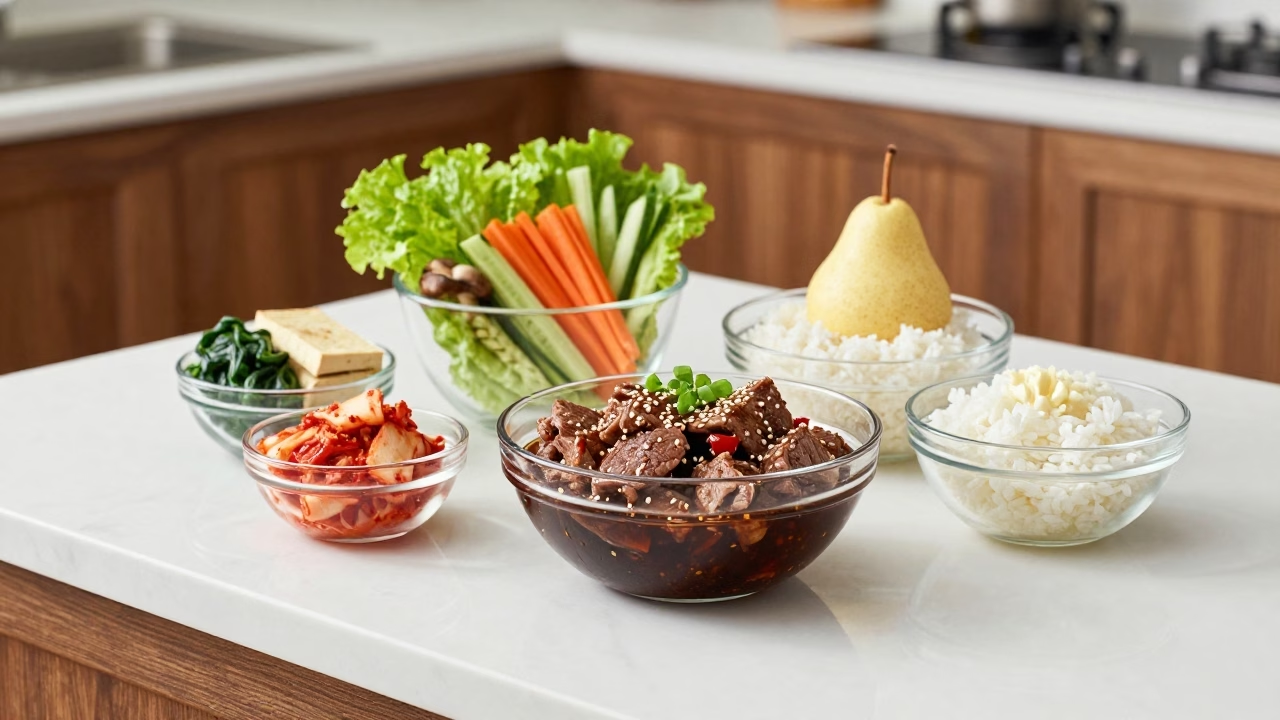
How to Make Korean BBQ Bulgogi Bowls
Step-by-Step Instructions for the Perfect Korean BBQ Bowl
The beauty of this Korean beef bowl lies in its simplicity. The cooking process is fast and fiery, resulting in beautifully caramelized, tender beef.
- Marinate the Beef (The Critical Step): In a medium bowl, whisk together the bulgogi marinade ingredients: soy sauce, brown sugar, sesame oil, garlic, ginger, pear/apple puree, and black pepper. Add the thinly sliced beef and toss until every piece is coated. For a quick dinner, 15 minutes of marinating is sufficient, but if you have the time, 2 to 4 hours in the refrigerator yields even deeper flavor and tenderness.
- Prep Your Components: While the beef marinates, cook your rice according to package directions or reheat leftovers. Prepare your toppings: shred the carrots, slice the cucumber, chop the green onions. Have your kimchi and gochujang ready. This practice of having all components ready, called ‘mise en place,’ makes dinner feel effortless.
- Heat the Pan: Heat a large skillet or wok over screaming high heat. Add just a drizzle of neutral oil (like canola or grapeseed). The pan needs to be hot enough to sear, not steam, the meat.
- Cook the Bulgogi: Add the marinated beef, careful not to overcrowd the pan. You may need to cook the beef in two batches. Spread the meat in a single layer and let it sit for about 60 to 90 seconds without stirring. This allows for excellent caramelization, building that prized Korean BBQ char.
- Stir and Finish: Stir the beef, continuing to cook for another 2 to 3 minutes until all pieces are cooked through and the marinade has thickened into a glossy glaze coating the beef. Remove the skillet from the heat immediately.
- Assemble the Korean Beef Rice Bowl: Divide the cooked rice among four large bowls. Arrange the bulgogi beef on one side of the rice. Artfully arrange the fresh vegetables, kimchi, and any other desired toppings around the bulk of the beef.
- Garnish and Serve: Sprinkle generously with sliced green onions and toasted sesame seeds. Serve immediately, perhaps with a dash of extra gochujang paste on the side for those who want a spicy kick.
The results are incredibly rewarding: glossy, savory Korean-style beef bowl that beats any takeout!
Pro Tips & Variations for Your Bulgogi Dish
To truly master the Korean BBQ Bulgogi Bowls, a few small tweaks can make a huge difference. Remember, the kitchen is where we experiment, and these tips help ensure successful, repeat performances.
Cindy’s Kitchen Hacks:
- The Thin Slice is EVERYTHING: If you can’t trust your butcher to slice the beef paper-thin for you, stick the beef cut (sirloin or ribeye works best) in the freezer for about 30-45 minutes until it is very firm but not frozen solid. This makes it incredibly easy to slice against the grain into thin strips, which are necessary for the fast cooking time and signature bulgogi texture.
- Don’t Waste the Marinade: After removing the beef from the marinade, don’t discard the leftover liquid! When you cook the beef, the remaining marinade goes into the pan. As it reduces and thickens, it creates a luscious, intense glaze that coats the meat beautifully.
- Maximize Searing Power: Cook the bulgogi in batches. Overcrowding the pan reduces the temperature immediately and causes the beef to steam instead of sear. We are looking for high heat and rapid cooking to achieve that Korean BBQ flavor.
Dietary and Ingredient Variations:
- Vegetarian Bulgogi Bowl (Tofu or Mushrooms): For a simple vegetarian bulgogi bowl, substitute the beef with firm, pressed tofu or thick-sliced portobello mushrooms. Marinate the tofu/mushrooms for at least 30 minutes to allow the flavor to penetrate deeply. Sear just as you would the beef. This is an incredible tofu bulgogi bowl option.
- Gluten-Free Option: The traditional marinade relies heavily on soy sauce. To make a gluten-free Korean bulgogi bowl, simply substitute the soy sauce with tamari or a high-quality coconut aminos. The flavor profile remains rich and satisfying.
- For Weight Loss or Low-Carb Diets: Swap out the white rice for cauliflower rice or zucchini noodles—this creates a fulfilling Korean bowl with cauliflower rice or a wonderful keto Korean beef bowl. You can slightly reduce the brown sugar in the marinade as well, ensuring it remains a bulgogi bowl for weight loss.
- Add Extra Crunch: Introduce additional vegetables like matchstick bell peppers or thinly sliced white onion directly to the pan during the last minute of cooking the beef for a bit of warmth and crunch.
By keeping these simple variations in mind, you can ensure that this dynamic bulgogi bowl with vegetables appeals to everyone at your table.
Korean BBQ Bulgogi Bowls Serving Suggestions
The Korean BBQ Bulgogi Bowl is truly a meal in itself, built on a foundation of rice, protein, and vegetables. However, complementing it with traditional Korean side dishes (banchan) elevates the entire experience and brings a deeper authenticity to your kitchen.
- Kimchi (Always): As mentioned, kimchi is essential. Its spicy, fermented crunch cuts through the richness of the beef perfectly and is a digestive aid. You can even mix warm kimchi into your rice before assembling the bowl for an added layer of flavor.
- Seasoned Spinach (Sigeumchi Namul): A simple, often overlooked side, this soft, blanched spinach is seasoned lightly with sesame oil, a touch of soy sauce, and garlic. It provides a lovely, mild contrast to the bold flavors of the bulgogi.
- Soybean Sprout Salad (Kongnamul Muchim): This cold side dish offers a refreshing crunch. Steamed soybean sprouts are dressed in a light mix of sesame oil, salt, and sometimes chili powder. It’s a great way to cool the palate between bites of the spicy Korean BBQ bowl.
- Quick Pickled Vegetables: While we include fresh vegetables in the bowl, a quick batch of Korean bowl with pickled vegetables, like thinly sliced daikon radish or cucumbers marinated briefly in vinegar, sugar, and salt, adds a layer of bright acidity.
- Egg on Top: A fried egg with a crispy edge and runny yolk draped over the center of the bulgogi is a non-traditional but universally appreciated addition. The yolk becomes a creamy sauce for the rice below.
Remember, the spirit of Korean dining is abundance and variety. Don’t feel obligated to make all the banchan, but pairing your Korean beef rice bowl with at least one fresh and one fermented side will make the meal truly special. Seriouseats has a great article on maximizing flavors of beef bowls, which you can read here: Serious Eats: Korean BBQ Flavor, which pairs nicely with our simple preparation.
Korean BBQ Bulgogi Bowls Storage & Reheating
One of the best benefits of making Korean BBQ Bulgogi Bowls is how well they adapt to storage, making them a fantastic choice for weekly meal preparation. This dish is forgiving and flavorful even days after cooking.
Storage:
- The Beef: Store the cooked bulgogi beef in an airtight container in the refrigerator for up to 4 days. Since the beef is thinly sliced and heavily marinated, it retains moisture well.
- The Rice & Veggies: Keep the rice and the fresh vegetable components separate from the beef if you anticipate multiple servings. Moisture from the vegetables can make the rice soggy. Store rice in one container, and the washed/sliced raw vegetables (like carrots and cucumber) in another.
- Freezing (Beef Only): You can easily freeze the cooked bulgogi beef. Place it in a freezer-safe bag or container and freeze for up to 3 months. Thaw overnight in the refrigerator before reheating. Do not freeze the full assembled bowl with fresh vegetables, as texture degradation will occur.
Reheating:
- Best Method (Stovetop): The best way to reheat the bulgogi beef is to use a medium-heat skillet on the stovetop. Add a splash of water or a teaspoon of sesame oil to prevent sticking, and briefly sauté the beef until heated through (about 3 minutes). This helps to re-caramelize the glaze slightly and brings the beef back to its original tenderness.
- Quick Method (Microwave): If you are reheating individual, already assembled bulgogi bowls for lunch, remove the cold components (like kimchi and fresh cucumber) and microwave the beef and rice together on medium heat for 60-90 seconds, stirring once.
Reassembly is key: always add the fresh, crisp components cucumber, lettuce, carrots after the warmth of the meat and rice reheat.
FAQ about Korean BBQ Bulgogi Bowls
Here are answers to common questions I get about making the ultimate Korean BBQ Bulgogi Bowls at home:
What is the best cut of beef for bulgogi?
The best cuts are those that are tender enough to slice thinly and cook quickly, such as ribeye, sirloin, or tenderloin. Ribeye is fatty and flavorful, while sirloin is generally leaner. Always ensure the beef is thinly sliced against the grain for maximum tenderness. This makes for the best Korean beef experience.
Can I make a quick bulgogi bowl without marinating?
Technically, yes, but the deeper flavor and critical tenderness come from the marinade. If truly pressed for time, use a highly flavorful, condensed marinade and aim for at least 10 minutes, but 30 minutes is the minimum I recommend for satisfactory results when making a copycat Korean BBQ bowl recipe.
How do I make a spicier Korean BBQ bowl?
To make a spicy Korean BBQ bowl, you have a few options. You can add 1 to 2 tablespoons of gochujang (Korean chili paste) directly into the marinade, or stir in 1 to 2 teaspoons of gochugaru (Korean chili flakes). For a milder heat, simply serve the gochujang on the side as a condiment.
Can I grill the bulgogi instead of cooking it in a skillet?
Absolutely! Traditional Korean BBQ is cooked over a grill. For a perfect grilled bulgogi, thread the thin strips onto skewers and grill over medium-high heat for about 2-3 minutes per side until caramelized. This method gives you excellent char and is a wonderful way to enjoy the beef.
Final Thoughts on Gratitude and the Simple Bowl
There is a profound beauty in the simple act of building a bowl. Rice, meat, vegetables, flavor. It’s elemental. Making these Korean BBQ Bulgogi Bowls isn’t just about feeding the family; it’s about providing a moment of global connection, a delicious reminder that even on the busiest Tuesday, we can sit down to something vibrant, something that tastes like it took all day. As the sun sets behind the pines here in Bend, and the scent of sesame oil lingers, I’m reminded to be grateful for the simplest things: a hot meal, the clatter of spoons, and the easy rhythm of life around the table with Ethan. Look forward to the connection, not the perfection. This recipe will deliver both. If you loved discovering the depth and ease of this bulgogi bowl with rice, please save this recipe to your Pinterest boards, leave a comment about your favorite topping, and subscribe to Stories from the Skillet!
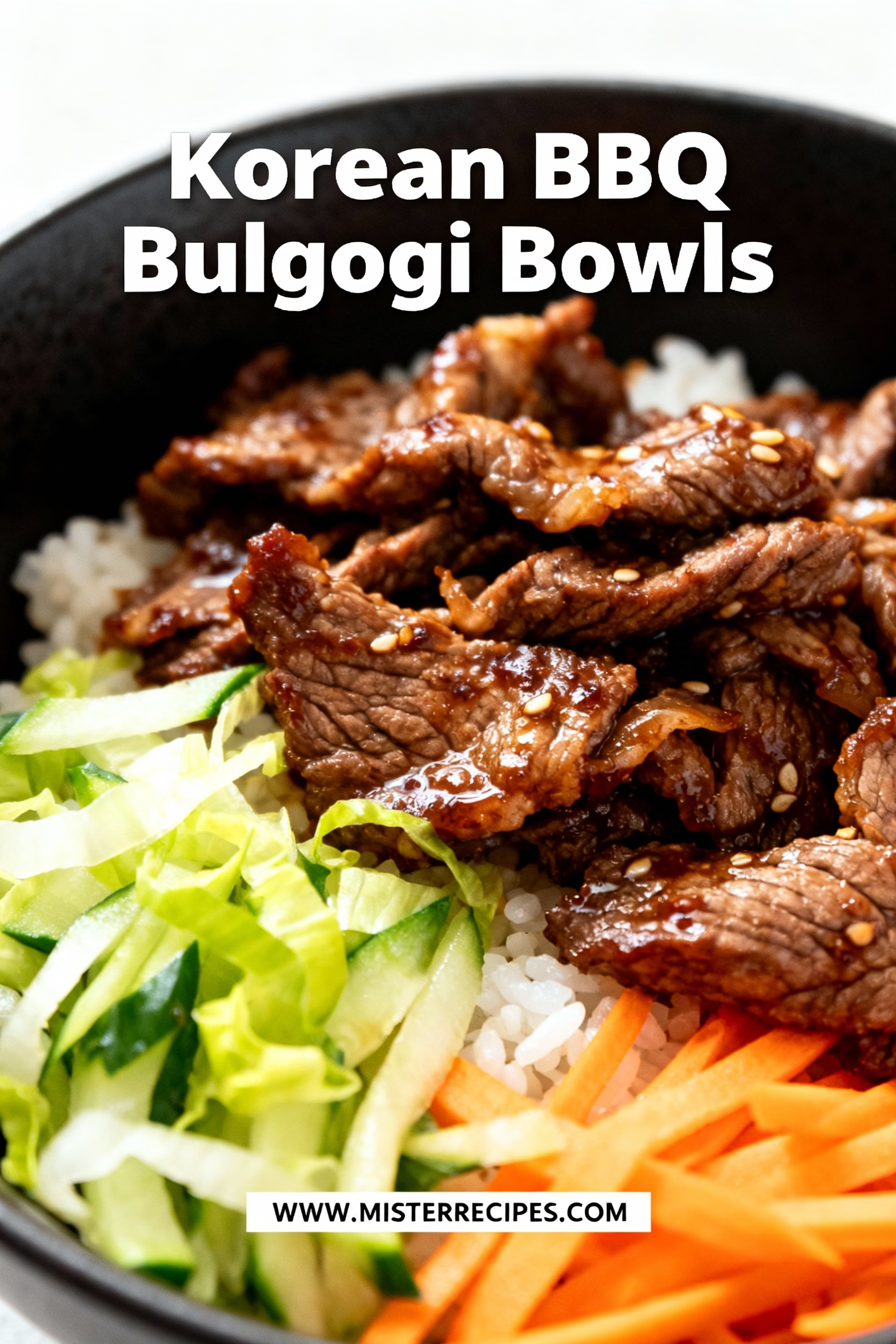

The Scent of Connection: Easy Korean BBQ Bulgogi Bowls in 30 Minutes
Ingredients
Method
- Marinate the Beef (The Critical Step): In a medium bowl, whisk together the bulgogi marinade ingredients: soy sauce, brown sugar, sesame oil, garlic, ginger, pear/apple puree, and black pepper. Add the thinly sliced beef and toss until every piece is coated. For a quick dinner, 15 minutes of marinating is sufficient, but if you have the time, 2 to 4 hours in the refrigerator yields even deeper flavor and tenderness.
- Prep Your Components: While the beef marinates, cook your rice according to package directions or reheat leftovers. Prepare your toppings: shred the carrots, slice the cucumber, chop the green onions. Have your kimchi and gochujang ready. This practice of having all components ready, called ‘mise en place,’ makes dinner feel effortless.
- Heat the Pan: Heat a large skillet or wok over screaming high heat. Add just a drizzle of neutral oil (like canola or grapeseed). The pan needs to be hot enough to sear, not steam, the meat.
- Cook the Bulgogi: Add the marinated beef, careful not to overcrowd the pan. You may need to cook the beef in two batches. Spread the meat in a single layer and let it sit for about 60 to 90 seconds without stirring. This allows for excellent caramelization, building that prized Korean BBQ char.
- Stir and Finish: Stir the beef, continuing to cook for another 2 to 3 minutes until all pieces are cooked through and the marinade has thickened into a glossy glaze coating the beef. Remove the skillet from the heat immediately.
- Assemble the Korean Beef Rice Bowl: Divide the cooked rice among four large bowls. Arrange the bulgogi beef on one side of the rice. Artfully arrange the fresh vegetables, kimchi, and any other desired toppings around the bulk of the beef.
- Garnish and Serve: Sprinkle generously with sliced green onions and toasted sesame seeds. Serve immediately, perhaps with a dash of extra gochujang paste on the side for those who want a spicy kick.
Nutrition
Notes
- The Thin Slice is EVERYTHING: If you can’t trust your butcher to slice the beef paper-thin for you, stick the beef cut (sirloin or ribeye works best) in the freezer for about 30-45 minutes until it is very firm but not frozen solid. This makes it incredibly easy to slice against the grain into thin strips, which are necessary for the fast cooking time and signature bulgogi texture.
- Don’t Waste the Marinade: After removing the beef from the marinade, don’t discard the leftover liquid! When you cook the beef, the remaining marinade goes into the pan. As it reduces and thickens, it creates a luscious, intense glaze that coats the meat beautifully.
- Maximize Searing Power: Cook the bulgogi in batches. Overcrowding the pan reduces the temperature immediately and causes the beef to steam instead of sear. We are looking for high heat and rapid cooking to achieve that Korean BBQ flavor.
- Vegetarian Bulgogi Bowl: For a simple vegetarian bulgogi bowl, substitute the beef with firm, pressed tofu or thick-sliced portobello mushrooms. Marinate the tofu/mushrooms for at least 30 minutes to allow the flavor to penetrate deeply. Sear just as you would the beef.
- Gluten-Free Option: The traditional marinade relies heavily on soy sauce. To make a gluten-free Korean bulgogi bowl, simply substitute the soy sauce with tamari or a high-quality coconut aminos. The flavor profile remains rich and satisfying.
- For Weight Loss or Low-Carb Diets: Swap out the white rice for cauliflower rice or zucchini noodles—this creates a fulfilling Korean bowl with cauliflower rice or a wonderful keto Korean beef bowl. You can slightly reduce the brown sugar in the marinade as well, ensuring it remains a bulgogi bowl for weight loss.
- Kimchi (Always): As mentioned, kimchi is essential. Its spicy, fermented crunch cuts through the richness of the beef perfectly and is a digestive aid. You can even mix warm kimchi into your rice before assembling the bowl for an added layer of flavor.
- Seasoned Spinach (Sigeumchi Namul): A simple, often overlooked side, this soft, blanched spinach is seasoned lightly with sesame oil, a touch of soy sauce, and garlic. It provides a lovely, mild contrast to the bold flavors of the bulgogi.
- Soybean Sprout Salad (Kongnamul Muchim): This cold side dish offers a refreshing crunch. Steamed soybean sprouts are dressed in a light mix of sesame oil, salt, and sometimes chili powder. It’s a great way to cool the palate between bites of the spicy Korean BBQ bowl.
- Quick Pickled Vegetables: While we include fresh vegetables in the bowl, a quick batch of Korean bowl with pickled vegetables, like thinly sliced daikon radish or cucumbers marinated briefly in vinegar, sugar, and salt, adds a layer of bright acidity.
- Egg on Top: A fried egg with a crispy edge and runny yolk draped over the center of the bulgogi is a non-traditional but universally appreciated addition. The yolk becomes a creamy sauce for the rice below.
- Storage: Store the cooked bulgogi beef in an airtight container in the refrigerator for up to 4 days. Since the beef is thinly sliced and heavily marinated, it retains moisture well. Keep the rice and the fresh vegetable components separate from the beef if you anticipate multiple servings. Moisture from the vegetables can make the rice soggy. Store rice in one container, and the washed/sliced raw vegetables (like carrots and cucumber) in another. You can easily freeze the cooked bulgogi beef. Place it in a freezer-safe bag or container and freeze for up to 3 months. Thaw overnight in the refrigerator before reheating. Do not freeze the full assembled bowl with fresh vegetables, as texture degradation will occur.
- Reheating: The best way to reheat the bulgogi beef is to use a medium-heat skillet on the stovetop. Add a splash of water or a teaspoon of sesame oil to prevent sticking, and briefly sauté the beef until heated through (about 3 minutes). This helps to re-caramelize the glaze slightly and brings the beef back to its original tenderness. If you are reheating individual, already assembled bulgogi bowls for lunch, remove the cold components (like kimchi and fresh cucumber) and microwave the beef and rice together on medium heat for 60-90 seconds, stirring once.
- Reassembly is key: always add the fresh, crisp components—cucumber, lettuce, carrots—after the warmth of the meat and rice reheat.