
Ingredients
Method
- Marinate the Beef (The Critical Step): In a medium bowl, whisk together the bulgogi marinade ingredients: soy sauce, brown sugar, sesame oil, garlic, ginger, pear/apple puree, and black pepper. Add the thinly sliced beef and toss until every piece is coated. For a quick dinner, 15 minutes of marinating is sufficient, but if you have the time, 2 to 4 hours in the refrigerator yields even deeper flavor and tenderness.
- Prep Your Components: While the beef marinates, cook your rice according to package directions or reheat leftovers. Prepare your toppings: shred the carrots, slice the cucumber, chop the green onions. Have your kimchi and gochujang ready. This practice of having all components ready, called 'mise en place,' makes dinner feel effortless.
- Heat the Pan: Heat a large skillet or wok over screaming high heat. Add just a drizzle of neutral oil (like canola or grapeseed). The pan needs to be hot enough to sear, not steam, the meat.
- Cook the Bulgogi: Add the marinated beef, careful not to overcrowd the pan. You may need to cook the beef in two batches. Spread the meat in a single layer and let it sit for about 60 to 90 seconds without stirring. This allows for excellent caramelization, building that prized Korean BBQ char.
- Stir and Finish: Stir the beef, continuing to cook for another 2 to 3 minutes until all pieces are cooked through and the marinade has thickened into a glossy glaze coating the beef. Remove the skillet from the heat immediately.
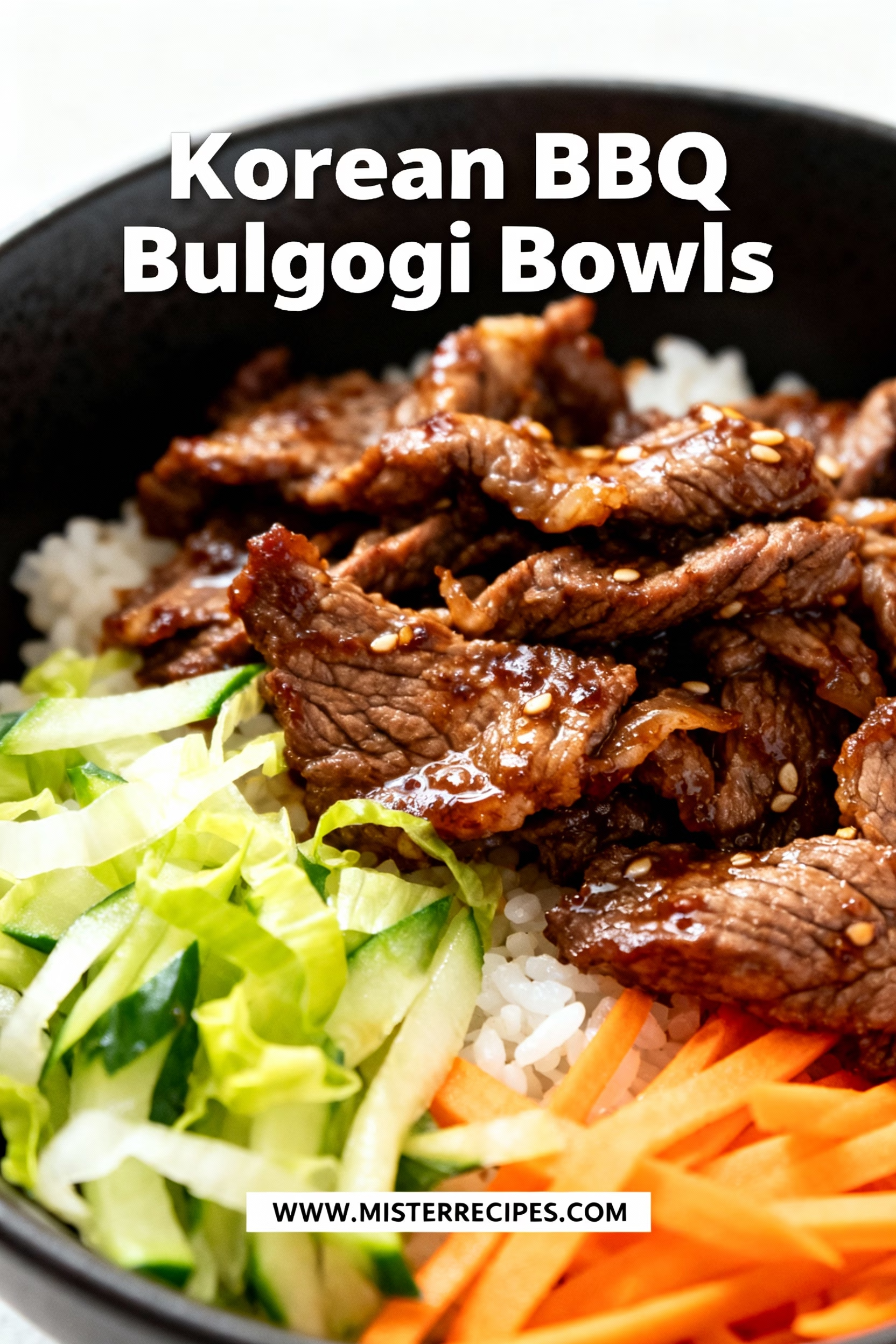
- Assemble the Korean Beef Rice Bowl: Divide the cooked rice among four large bowls. Arrange the bulgogi beef on one side of the rice. Artfully arrange the fresh vegetables, kimchi, and any other desired toppings around the bulk of the beef.
- Garnish and Serve: Sprinkle generously with sliced green onions and toasted sesame seeds. Serve immediately, perhaps with a dash of extra gochujang paste on the side for those who want a spicy kick.
Nutrition
Calories: 650kcalCarbohydrates: 75gProtein: 35gFat: 18gSaturated Fat: 6gCholesterol: 70mgSodium: 1200mgPotassium: 450mgFiber: 4gSugar: 15gVitamin A: 8000IUVitamin C: 15mgCalcium: 60mgIron: 3.5mg
Notes
Pro Tips & Variations:
- The Thin Slice is EVERYTHING: If you can’t trust your butcher to slice the beef paper-thin for you, stick the beef cut (sirloin or ribeye works best) in the freezer for about 30-45 minutes until it is very firm but not frozen solid. This makes it incredibly easy to slice against the grain into thin strips, which are necessary for the fast cooking time and signature bulgogi texture.
- Don't Waste the Marinade: After removing the beef from the marinade, don't discard the leftover liquid! When you cook the beef, the remaining marinade goes into the pan. As it reduces and thickens, it creates a luscious, intense glaze that coats the meat beautifully.
- Maximize Searing Power: Cook the bulgogi in batches. Overcrowding the pan reduces the temperature immediately and causes the beef to steam instead of sear. We are looking for high heat and rapid cooking to achieve that Korean BBQ flavor.
- Vegetarian Bulgogi Bowl: For a simple vegetarian bulgogi bowl, substitute the beef with firm, pressed tofu or thick-sliced portobello mushrooms. Marinate the tofu/mushrooms for at least 30 minutes to allow the flavor to penetrate deeply. Sear just as you would the beef.
- Gluten-Free Option: The traditional marinade relies heavily on soy sauce. To make a gluten-free Korean bulgogi bowl, simply substitute the soy sauce with tamari or a high-quality coconut aminos. The flavor profile remains rich and satisfying.
- For Weight Loss or Low-Carb Diets: Swap out the white rice for cauliflower rice or zucchini noodles—this creates a fulfilling Korean bowl with cauliflower rice or a wonderful keto Korean beef bowl. You can slightly reduce the brown sugar in the marinade as well, ensuring it remains a bulgogi bowl for weight loss.
- Kimchi (Always): As mentioned, kimchi is essential. Its spicy, fermented crunch cuts through the richness of the beef perfectly and is a digestive aid. You can even mix warm kimchi into your rice before assembling the bowl for an added layer of flavor.
- Seasoned Spinach (Sigeumchi Namul): A simple, often overlooked side, this soft, blanched spinach is seasoned lightly with sesame oil, a touch of soy sauce, and garlic. It provides a lovely, mild contrast to the bold flavors of the bulgogi.
- Soybean Sprout Salad (Kongnamul Muchim): This cold side dish offers a refreshing crunch. Steamed soybean sprouts are dressed in a light mix of sesame oil, salt, and sometimes chili powder. It’s a great way to cool the palate between bites of the spicy Korean BBQ bowl.
- Quick Pickled Vegetables: While we include fresh vegetables in the bowl, a quick batch of Korean bowl with pickled vegetables, like thinly sliced daikon radish or cucumbers marinated briefly in vinegar, sugar, and salt, adds a layer of bright acidity.
- Egg on Top: A fried egg with a crispy edge and runny yolk draped over the center of the bulgogi is a non-traditional but universally appreciated addition. The yolk becomes a creamy sauce for the rice below.
- Storage: Store the cooked bulgogi beef in an airtight container in the refrigerator for up to 4 days. Since the beef is thinly sliced and heavily marinated, it retains moisture well. Keep the rice and the fresh vegetable components separate from the beef if you anticipate multiple servings. Moisture from the vegetables can make the rice soggy. Store rice in one container, and the washed/sliced raw vegetables (like carrots and cucumber) in another. You can easily freeze the cooked bulgogi beef. Place it in a freezer-safe bag or container and freeze for up to 3 months. Thaw overnight in the refrigerator before reheating. Do not freeze the full assembled bowl with fresh vegetables, as texture degradation will occur.
- Reheating: The best way to reheat the bulgogi beef is to use a medium-heat skillet on the stovetop. Add a splash of water or a teaspoon of sesame oil to prevent sticking, and briefly sauté the beef until heated through (about 3 minutes). This helps to re-caramelize the glaze slightly and brings the beef back to its original tenderness. If you are reheating individual, already assembled bulgogi bowls for lunch, remove the cold components (like kimchi and fresh cucumber) and microwave the beef and rice together on medium heat for 60-90 seconds, stirring once.
- Reassembly is key: always add the fresh, crisp components—cucumber, lettuce, carrots—after the warmth of the meat and rice reheat.
Tried this recipe?Let us know how it was!
