The first time Ethan and I made Pad Thai together, we were in our tiny, sun-drenched apartment in Bend. It was one of those crisp Oregon evenings where the light catches the dust motes dancing in the kitchen air, and we were attempting to recreate the magic from a small Thai cart we loved. We thought achieving that perfect balance of sweet, sour, salty, and spicy was some closely guarded secret, attainable only by true culinary masters. We were completely wrong of course, but the memory, the laughter shared over burned peanuts and misplaced fish sauce, is one of those foundational stones of our life together. Cooking, I’ve found, is always more about the memory you make around the stove than the precision of the final dish.
For years, I tested and tweaked this recipe, trying to capture that elusive taste of authentic Pad Thai, simplifying the complex steps without sacrificing the deep, complex flavors. What I needed was an easy Pad Thai recipe in 30 minutes, something fast enough for a Tuesday night when the kids are tired and hungry, but delicious enough to transport us back to that little food cart. This is it. This homemade Pad Thai from scratch uses readily available ingredients and achieves that beautiful, authentic, slightly sticky texture we all crave. You will find that making Thai comfort food at home is remarkably simple, and yes, it truly tastes better than any delivery option! Forget searching for “Pad Thai near me,” because you are about to make the best Pad Thai right here in your own kitchen.
Why You’ll Love This Pad Thai
This isn’t another complicated Thai kitchen recipe requiring a trip to four different specialty stores. This is practical, beautiful, soulful cooking. Over the years, this dish has become a staple in our home, adaptable for both Adams’ love of chicken and Jana’s preference for tofu. It’s what I pull out when I need a quick win, a meal that feels celebratory yet takes less time than ordering takeout.
- It’s Truly Quick: This easy Asian noodles dish is designed to be ready in less than 30 minutes from start to finish. Once your noodles are soaked (not boiled!), the rest is a flash in the pan. Perfect for busy weeknights when you need quick Thai recipes.
- The Perfect Pad Thai Sauce Recipe: We nail the balance. The key here is the Pad Thai tamarind sauce, balanced with savory fish sauce, a touch of sweetness (I use brown sugar), and a bright squeeze of lime. This is the heart of what makes homemade Thai food stand out.
- Customizable Protein: Whether you want chicken Pad Thai recipe, shrimp Pad Thai, or a tofu Pad Thai recipe (which Jana prefers), the base recipe works beautifully with any protein. This adaptability makes it a recurring favorite.
- Authentic Flavor, Approachable Recipe: This recipe utilizes the traditional combination of ingredients that gives the dish its complex layers, focusing on Thai rice noodles, fresh bean sprouts, and the savory undertone of preserved radish (optional, but highly recommended for authentic taste!).
- Family and Entertaining Friendly: The vibrant colors and satisfying texture of this noodle stir fry recipe make it a crowd-pleaser. It’s a fun, hands-on meal where everyone can top their plate with crushed peanuts, lime wedges, and extra chili, just like at a street food stall.
- High-Value Comfort Food: There is nothing more satisfying than a bowl of warm, slightly sticky, richly flavored Thai noodle stir fry. It fulfills that deep craving for something rich in flavor but light in texture.
- Better Than Takeout: By controlling the quality of ingredients, like fresh eggs and good quality oil, your thai fusion noodles will taste exponentially fresher and cleaner than any restaurant version. Plus, you control the spice level!
By simplifying the ingredient prep and focusing on the correct cooking technique for the noodles, we guarantee a dish that is sticky, savory, and satisfying every single time. It truly is the ultimate homemade Pad Thai.
Ingredients for Pad Thai
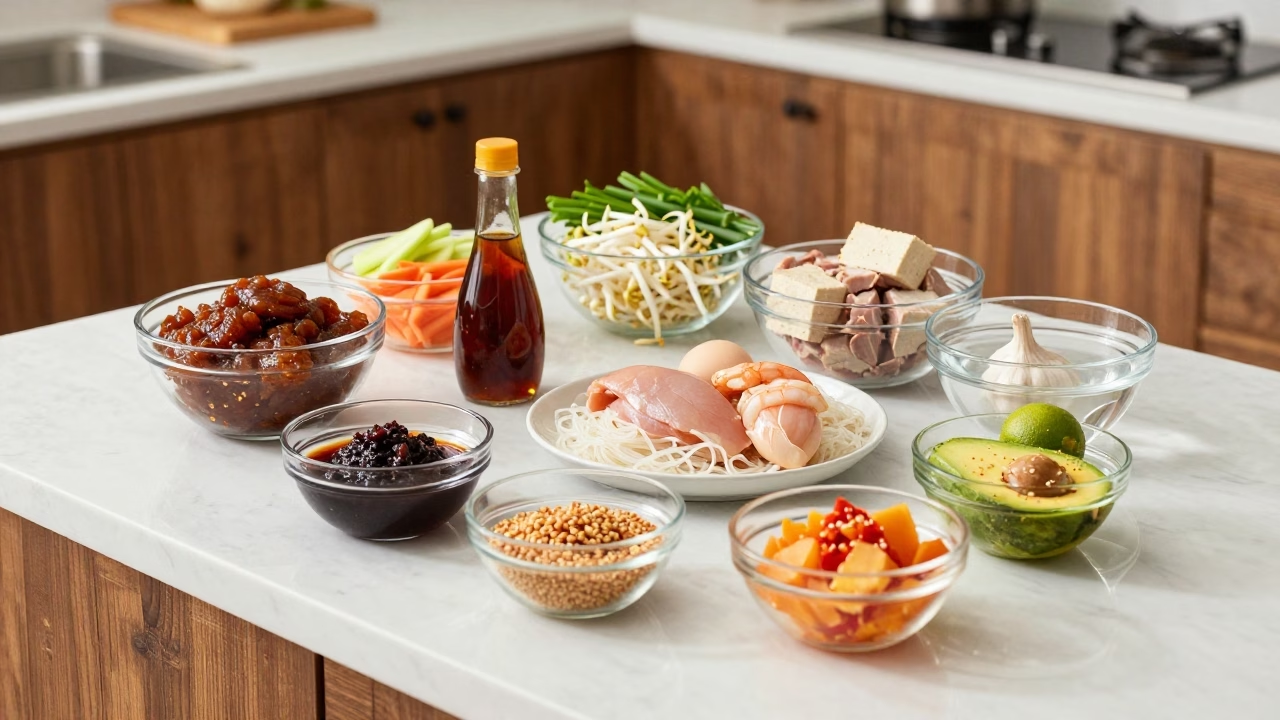
The secret to a complex flavor profile is assembling the right group of high-quality, whole ingredients. Don’t shy away from the fish sauce or tamarind. They are crucial for that authentic umami depth.
- The Noodles: 8 oz Pad Thai noodles (dried thin rice stick or rice flat noodles). Look for the 3mm width. Do not use cellophane noodles.
- The Sauce Base:
- 3 Tbsp fish sauce (essential for the savory, umami flavor).
- 3 Tbsp tamarind paste or concentrate (critical for the sour tang. If unavailable, see Pro Tips).
- 4 Tbsp light brown sugar (or palm sugar for authentic Pad Thai).
- 1 Tbsp soy sauce (or tamari for a gluten-free option).
- 1 tsp sriracha or chili flakes (optional, for heat).
- Oil and Aromatics:
- 3 Tbsp peanut oil or avocado oil (high smoke point is key for stir-frying).
- 3 cloves garlic, minced.
- 1 small shallot, thinly sliced (or half a red onion).
- Protein: 1 lb protein, cut into bite-sized pieces (We love Pad Thai chicken, tiger Pad Thai shrimp, or extra firm Pad Thai tofu).
- The Eggs: 2 large eggs, lightly beaten.
- The Veggies and Crunch:
- 2 cups fresh bean sprouts, divided.
- 1/2 cup chopped green onions (scallions), divided.
- 2 Tbsp dried Chinese preserved radish (optional, but adds a traditional salty bite).
- For Serving (Must-Haves):
- 1/4 cup roasted peanuts, coarsely chopped.
- Lime wedges (the final, essential flavor burst).
- Fresh cilantro or Thai basil, chopped.
Remember that the quality of your ingredients directly impacts the final flavor of your Asian noodle stir fry. Use the freshest herbs you can find!
 Easy Pad Thai Recipe – Ready in 30 Minutes!.
How to Make Pad Thai
This process is about speed. Once you start the stir-fry, it moves quickly. Have all your ingredients prepped and within easy reach, what chefs call ‘mise en place.’ This is the critical step to ensuring an easy Pad Thai experience.
Step-by-Step Instructions
- Prep the Noodles: Place the Pad Thai noodles in a large bowl. Cover them completely with hot tap water (not boiling, just hot). Let them soak for 15-20 minutes, or until they are pliable, still slightly firm, and bend easily without breaking. Drain immediately and toss them with 1 tsp of oil to prevent sticking. Do not oversoak.
- Mix the Pad Thai Sauce: In a small bowl, whisk together the fish sauce, tamarind paste, brown sugar, soy sauce, and sriracha (if using). Taste it. It should be intensely balanced: sweet, sour, and salty. Set aside.
- Cook the Protein: Heat 2 Tbsp of the peanut oil in a large wok or very large non-stick skillet over medium-high heat. Add your protein (chicken, shrimp, or tofu). Stir-fry until cooked through, about 3-5 minutes. Remove the protein from the pan and set aside, reserving the remaining oil in the wok.
- Sauté the Aromatics: Reduce the heat slightly to medium. Add the remaining 1 Tbsp of oil to the wok, along with the minced garlic and sliced shallots. If using, add the preserved radish now. Stir-fry for 30-60 seconds, until fragrant. Do not burn the garlic.
- Scramble the Eggs: Push the aromatics to one side of the wok. Pour the beaten eggs into the cleared space. Quickly push the eggs around until they are just set into a soft scramble. Break them up roughly with your spatula.
- Combine and Introduce Noodles: Return the cooked protein to the wok. Add the drained, prepared noodles to the center. Pour the prepared Pad Thai sauce over the noodles.
- Stir-Fry for Success: Increase the heat to high. Tossing constantly with two wooden spoons or spatulas (using one to lift and one to turn), stir-fry aggressively for 2-3 minutes. This intense heat and movement are what make the sugar caramelize and the sauce stick beautifully to the Thai rice noodles. The noodles should soften perfectly, losing that slight chalky firmness.
- Add Final Veggies: Remove the wok from the heat. Stir in 1.5 cups of the fresh bean sprouts and most of the green onions. The residual heat will warm them slightly without making them limp. This ensures that essential crunch.
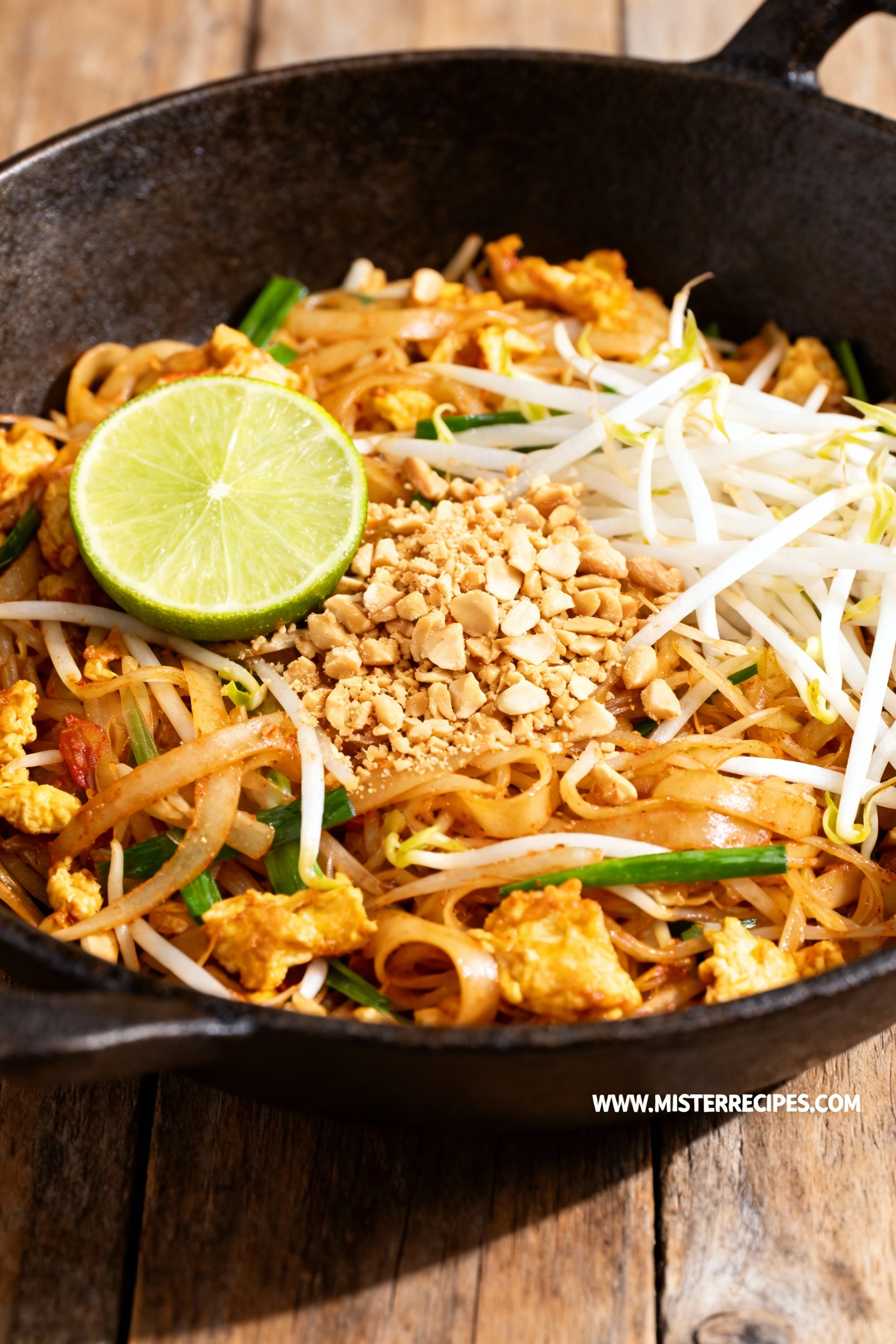
- Serve Immediately: Plate the Pad Thai. Garnish generously with the remaining fresh bean sprouts, chopped peanuts, fresh cilantro, and the all-important squeeze of fresh lime juice. The lime brightens the entire dish and is non-negotiable for authentic Pad Thai flavor.
Pro Tips & Variations
After years of making this dish, I’ve gathered a few key insights. These tips help ensure your homemade Pad Thai from scratch is absolutely perfect, regardless of dietary needs.
The Tamarind Trick
Tamarind paste/concentrate is the ingredient that truly elevates this from an average noodle dish to the real deal. It provides a unique, fruity sourness that vinegar or lime alone cannot replicate. If you absolutely cannot find it, you can substitute with 1 Tbsp rice vinegar mixed with 1 tsp ketchup (or 2 tsp lime juice and 1 tsp brown sugar), but I urge you to seek out the tamarind for the best result. Check international Asian food stores; they almost always carry it.
Achieving the Perfect Noodle Texture
The biggest mistake people make with Pad Thai noodles is boiling them. Boiling makes them too soft and starchy, leading to a gluey, clumpy mess when stir-frying. Soaking in hot water, as described above, allows them to hydrate evenly while retaining the necessary structure to withstand the high-heat stir-fry without breaking or sticking. You want them about 90% done before hitting the wok.
Mastering the Wok Temperature
You need heat. Serious heat. If your wok is not hot enough, the ingredients will steam instead of stir-fry, resulting in a watery sauce rather than the sticky, caramelized coating we want. Make sure your wok is smoking slightly before adding the first drop of oil. If your skillet is too small, cook the recipe in two batches to avoid overcrowding and lower the temperature.
Dietary Adjustments: Vegan, Gluten-Free, and Keto
- Vegan/Vegetarian Pad Thai Recipe: This is a simple adaptation. Skip the protein and increase the amount of Pad Thai tofu to 1.5 lbs, pressed and cubed. Replace the fish sauce with a high-quality vegan Pad Thai sauce (made from mushroom or soy base), or use 3 Tbsp of reduced sodium soy sauce and 1/2 tsp of salt. This makes a wonderful vegetarian Pad Thai recipe.
- Gluten-Free Pad Thai: This recipe is naturally gluten-free if you ensure two substitutions: use Tamari instead of conventional soy sauce, and confirm your fish sauce brand is gluten-free (most are, but always check). The rice noodle dishes are usually safe.
- Health-Conscious Variations: If you are looking for a keto Pad Thai option, you can substitute the rice noodles with spiralized zucchini noodles (zoodles) or spaghetti squash Pad Thai. Reduce the sugar in the sauce to 1-2 Tbsp and use an erythritol or stevia-based sweetener. It still captures the flavor, just without the refined carbs.
- Peanut Alternatives: We need that crunch! If you have nut allergies, substitute the peanuts with toasted sesame seeds or roasted sunflower seeds. You can also make a delicious but untraditional version using crumbled crispy fried shallots for textural contrast.
By employing these tips, you guarantee a perfect result, making the whole experience of cooking this easy Asian noodles dish a pure joy.
Pad Thai Serving Suggestions
While Pad Thai is certainly a complete meal on its own (it contains protein, carbs, and vegetables), serving it alongside a fresh, bright side can elevate the entire experience and make it feel like a real feast. Ethan always insists on serving the whole dish family-style, letting everyone dig in right from the wok.
- Crispy Spring Rolls or Egg Rolls: A classic pairing. The contrast between the hot, soft noodles and a crisp, deep-fried spring roll is perfect. You can find pre-made spring rolls in the freezer section if you need a truly quick Thai recipe addition.
- Simple Thai Cucumber Salad: A quick salad made with thinly sliced cucumbers, red onions, rice vinegar, a touch of sugar, and water. The cool, tangy crunch cuts through the richness of the noodle stir fry beautifully.
- Tom Yum Soup: For a more ambitious, restaurant-style full meal, start your dinner with a small cup of Prawn or Mushroom Tom Yum Soup. The lemongrass and galangal notes set an excellent stage for the flavor profile of the Pad Thai.
- Thai Iced Tea or Coffee: Nothing complements the sweet and savory notes of this dish quite like the rich, creamy sweetness of a traditional Thai Iced Tea, made with spices and condensed milk.
- Fresh Herbs and Condiments: A small presentation board of optional garnishes is half the fun. Offer extra lime wedges, a jar of chili garlic sauce (like Sriracha), extra reserved green onions, and some red pepper flakes for those who want their pad thai with sriracha heat. I sometimes add a dash of oyster sauce to the chicken marinade for extra depth before cooking.
Pad Thai Storage & Reheating
Leftovers of this Thai street food Pad Thai are absolutely delicious, though the noodles do tend to absorb the sauce and soften somewhat overnight. The leftovers surprisingly maintain their intense flavor.
- Storage: Allow the cooled homemade Pad Thai to cool completely before transferring it to an airtight container. It will keep beautifully in the refrigerator for 3 to 4 days. I do not recommend freezing rice noodle dishes, as the texture suffers significantly upon thawing.
- Reheating Method: The best way to reheat Pad Thai is not the microwave, which often makes the noodles rubbery. Heat a small amount of oil (about 1 Tbsp) in your wok or skillet over medium-high heat. Add the leftovers and stir-fry quickly for 2 to 3 minutes, adding a tablespoon or two of water or chicken broth if the sauce seems too dry. The water/broth helps loosen the absorbed sauce and revitalizes the noodles. Finish with a fresh squeeze of lime, which works wonders on leftovers.
FAQ about Pad Thai
Here are some of the most common questions I get about making the best Pad Thai at home.
Can I make the Pad Thai sauce in advance?
Absolutely! Preparing the concentrated Pad Thai sauce recipe is a great way to save time. Whisk together all the sauce ingredients and store them in a jar in the refrigerator for up to 1 week. This means when you are ready to cook, your easy Pad Thai recipe in 30 minutes is reduced to about 15 minutes of actual cooking time. This is my secret weapon for a fast weeknight meal!
What is the difference between Pad Thai and Pad See Ew?
Pad Thai uses the thinner, flat rice stick noodles and features the classic sour-sweet-salty profile dominated by tamarind and fish sauce. Pad See Ew (sister dish) uses much wider, sometimes charred, flat rice noodles (often darker in color) and features a savory, less sweet profile, relying heavily on dark soy sauce and oyster sauce. Both are marvelous Asian noodle stir fry dishes, but they taste distinctly different.
Where do I find tamarind paste for authentic flavor?
Tamarind is getting much easier to find. I usually locate Pad Thai with tamarind paste at Asian markets, specialty food stores, or often now, in the ethnic aisle of larger standard grocery stores. Look for jars labeled ‘Tamarind Concentrate’ or ‘Tamarind Paste.’ A little goes a long way, so one jar will last you many batches of homemade Pad Thai.
How can I make chicken Pad Thai recipe with less oil?
If you prefer a lighter version, reduce the oil used for the stir-fry and ensure you use a great quality nonstick pan. You can also substitute pan-fried or grilled protein (like Pad Thai chicken or shrimp) instead of stir-frying them with the aromatics. This reduces surface oil absorption, making for a healthier homemade Pad Thai.
Is this Pad Thai spicy?
My base recipe is mildly spiced, often only from the chili in the sauce or a small amount of sriracha—perfect for the kids. However, you can control the heat! For serious spice lovers, add one red Thai chili (or serrano) sliced thinly along with the garlic in the stir-fry step, or serve with a side of chili oil or a garnish of crushed red pepper flakes. This allows everyone around the table to customize their desired level of spice.
Final Thoughts
There is a profound comfort in a dish that balances so many flavors so successfully. It’s an edible metaphor for life, isn’t it? All those different elements, the sour, the sweet, the heat, coming together not to cancel each other out, but to create something entirely richer and more beautiful than they were alone. Every bowl of Pad Thai I make is a brief memoir, a sticky, savory passage back to that sunny apartment with Ethan, back to the simple realization that the best things in life, the deepest connections, are found in the shared acts of sustenance.
I hope this recipe brings a little bit of that gentle, heartfelt connection into your own kitchen. Find the gratitude in the simple act of cooking for those you love, and know that connection, not perfection, is the universal language of the heart. Happy cooking, friends.
If you loved this Thai comfort food recipe, please save it to your Pinterest board or leave a comment below. What’s your favorite version: Pad Thai chicken or Pad Thai shrimp? Tell me all about your dinner!

Stories from the Skillet: My Recipe for the Ultimate, Easy Pad Thai (Ready in 30 Minutes!)
Ingredients
Equipment
Method
- Place the Pad Thai noodles in a large bowl. Cover them completely with hot tap water (not boiling, just hot). Let them soak for 15-20 minutes, or until they are pliable, still slightly firm, and bend easily without breaking. Drain immediately and toss them with 1 tsp of oil to prevent sticking. Do not oversoak.
- In a small bowl, whisk together the fish sauce, tamarind paste, brown sugar, soy sauce, and sriracha (if using). Taste it. It should be intensely balanced: sweet, sour, and salty. Set aside.
- Heat 2 Tbsp of the peanut oil in a large wok or very large non-stick skillet over medium-high heat. Add your protein (chicken, shrimp, or tofu). Stir-fry until cooked through, about 3-5 minutes. Remove the protein from the pan and set aside, reserving the remaining oil in the wok.
- Reduce the heat slightly to medium. Add the remaining 1 Tbsp of oil to the wok, along with the minced garlic and sliced shallots. If using, add the preserved radish now. Stir-fry for 30-60 seconds, until fragrant. Do not burn the garlic.
- Push the aromatics to one side of the wok. Pour the beaten eggs into the cleared space. Quickly push the eggs around until they are just set into a soft scramble. Break them up roughly with your spatula.
- Return the cooked protein to the wok. Add the drained, prepared noodles to the center. Pour the prepared Pad Thai sauce over the noodles.
- Increase the heat to high. Tossing constantly with two wooden spoons or spatulas (using one to lift and one to turn), stir-fry aggressively for 2-3 minutes. This intense heat and movement are what make the sugar caramelize and the sauce stick beautifully to the Thai rice noodles. The noodles should soften perfectly, losing that slight chalky firmness.
- Remove the wok from the heat. Stir in 1.5 cups of the fresh bean sprouts and most of the green onions. The residual heat will warm them slightly without making them limp. This ensures that essential crunch.
- Plate the Pad Thai. Garnish generously with the remaining fresh bean sprouts, chopped peanuts, fresh cilantro or Thai basil, and the all-important squeeze of fresh lime juice. The lime brightens the entire dish and is non-negotiable for authentic Pad Thai flavor.