
Ingredients
Equipment
Method
- Place the Pad Thai noodles in a large bowl. Cover them completely with hot tap water (not boiling, just hot). Let them soak for 15-20 minutes, or until they are pliable, still slightly firm, and bend easily without breaking. Drain immediately and toss them with 1 tsp of oil to prevent sticking. Do not oversoak.
- In a small bowl, whisk together the fish sauce, tamarind paste, brown sugar, soy sauce, and sriracha (if using). Taste it. It should be intensely balanced: sweet, sour, and salty. Set aside.
- Heat 2 Tbsp of the peanut oil in a large wok or very large non-stick skillet over medium-high heat. Add your protein (chicken, shrimp, or tofu). Stir-fry until cooked through, about 3-5 minutes. Remove the protein from the pan and set aside, reserving the remaining oil in the wok.
- Reduce the heat slightly to medium. Add the remaining 1 Tbsp of oil to the wok, along with the minced garlic and sliced shallots. If using, add the preserved radish now. Stir-fry for 30-60 seconds, until fragrant. Do not burn the garlic.
- Push the aromatics to one side of the wok. Pour the beaten eggs into the cleared space. Quickly push the eggs around until they are just set into a soft scramble. Break them up roughly with your spatula.
- Return the cooked protein to the wok. Add the drained, prepared noodles to the center. Pour the prepared Pad Thai sauce over the noodles.
- Increase the heat to high. Tossing constantly with two wooden spoons or spatulas (using one to lift and one to turn), stir-fry aggressively for 2-3 minutes. This intense heat and movement are what make the sugar caramelize and the sauce stick beautifully to the Thai rice noodles. The noodles should soften perfectly, losing that slight chalky firmness.
- Remove the wok from the heat. Stir in 1.5 cups of the fresh bean sprouts and most of the green onions. The residual heat will warm them slightly without making them limp. This ensures that essential crunch.
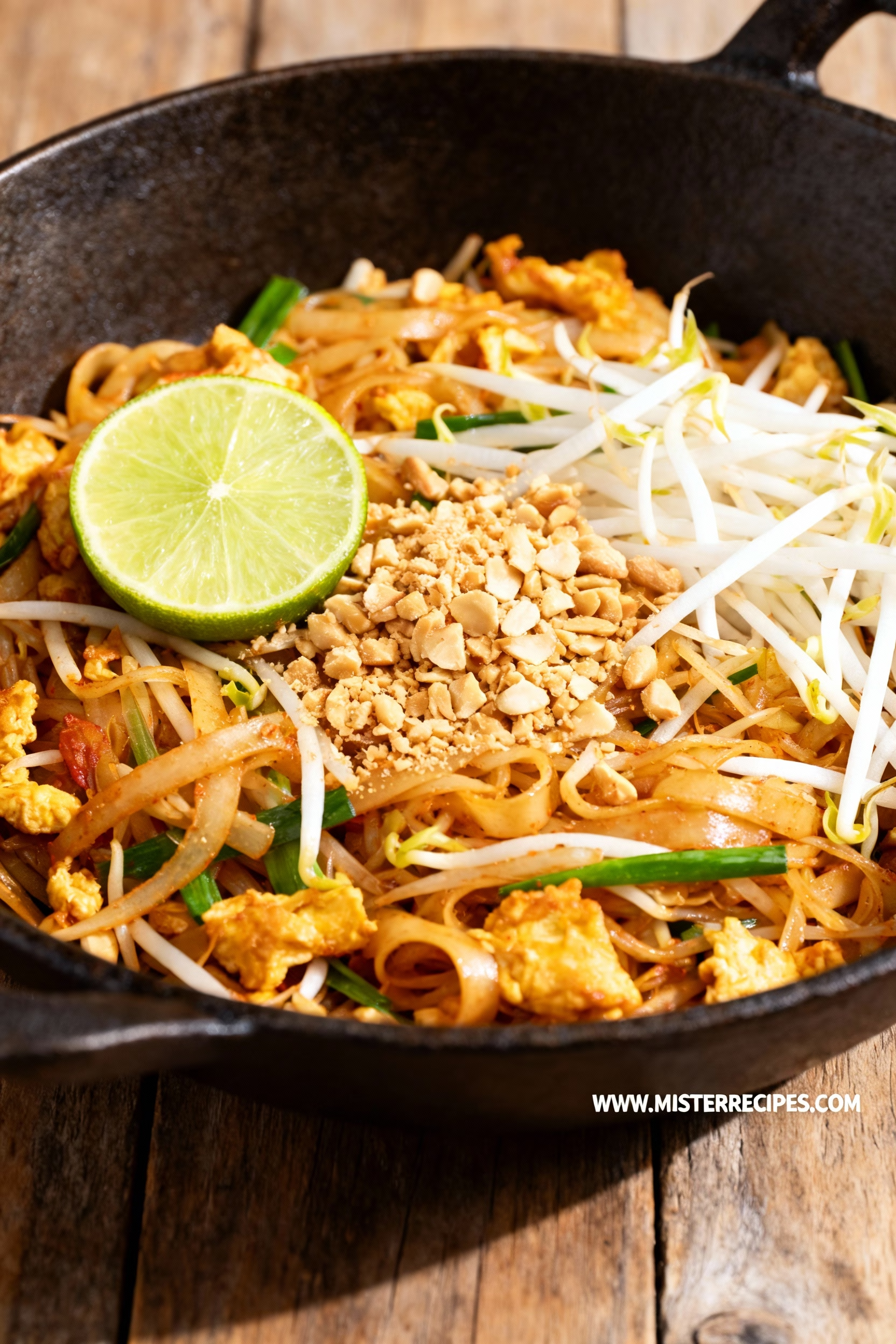
- Plate the Pad Thai. Garnish generously with the remaining fresh bean sprouts, chopped peanuts, fresh cilantro or Thai basil, and the all-important squeeze of fresh lime juice. The lime brightens the entire dish and is non-negotiable for authentic Pad Thai flavor.
Nutrition
Calories: 650kcalCarbohydrates: 80gProtein: 25gFat: 22gSaturated Fat: 4gCholesterol: 180mgSodium: 1200mgPotassium: 400mgFiber: 4gSugar: 10gVitamin A: 300IUVitamin C: 15mgCalcium: 50mgIron: 3.5mg
Notes
Storage & Reheating: Allow the cooled Pad Thai to cool completely before transferring it to an airtight container. It will keep beautifully in the refrigerator for 3 to 4 days. The best way to reheat is not the microwave, which often makes the noodles rubbery. Heat a small amount of oil (about 1 Tbsp) in your wok or skillet over medium-high heat. Add the leftovers and stir-fry quickly for 2 to 3 minutes, adding a tablespoon or two of water or chicken broth if the sauce seems too dry. The water/broth helps loosen the absorbed sauce and revitalizes the noodles. Finish with a fresh squeeze of lime, which works wonders on leftovers.
Pro Tips: Tamarind paste/concentrate is the ingredient that truly elevates this from an average noodle dish to the real deal. It provides a unique, fruity sourness that vinegar or lime alone cannot replicate. If you absolutely cannot find it, you can substitute with 1 Tbsp rice vinegar mixed with 1 tsp ketchup (or 2 tsp lime juice and 1 tsp brown sugar), but I urge you to seek out the tamarind for the best result. Check international Asian food stores; they almost always carry it.
Dietary Adjustments: For a vegan/vegetarian Pad Thai, skip the protein and increase the amount of Pad Thai tofu to 1.5 lbs, pressed and cubed. Replace the fish sauce with a high-quality vegan Pad Thai sauce (made from mushroom or soy base), or use 3 Tbsp of reduced sodium soy sauce and 1/2 tsp of salt. This makes a wonderful vegetarian Pad Thai recipe.
FAQ: Can I make the Pad Thai sauce in advance? Absolutely! Preparing the concentrated Pad Thai sauce recipe is a great way to save time. Whisk together all the sauce ingredients and store them in a jar in the refrigerator for up to 1 week. This means when you are ready to cook, your easy Pad Thai recipe in 30 minutes is reduced to about 15 minutes of actual cooking time. This is my secret weapon for a fast weeknight meal!
This recipe is naturally gluten-free if you ensure two substitutions: use Tamari instead of conventional soy sauce, and confirm your fish sauce brand is gluten-free (most are, but always check). The rice noodle dishes are usually safe.
Tried this recipe?Let us know how it was!
