Ingredients
Equipment
Method
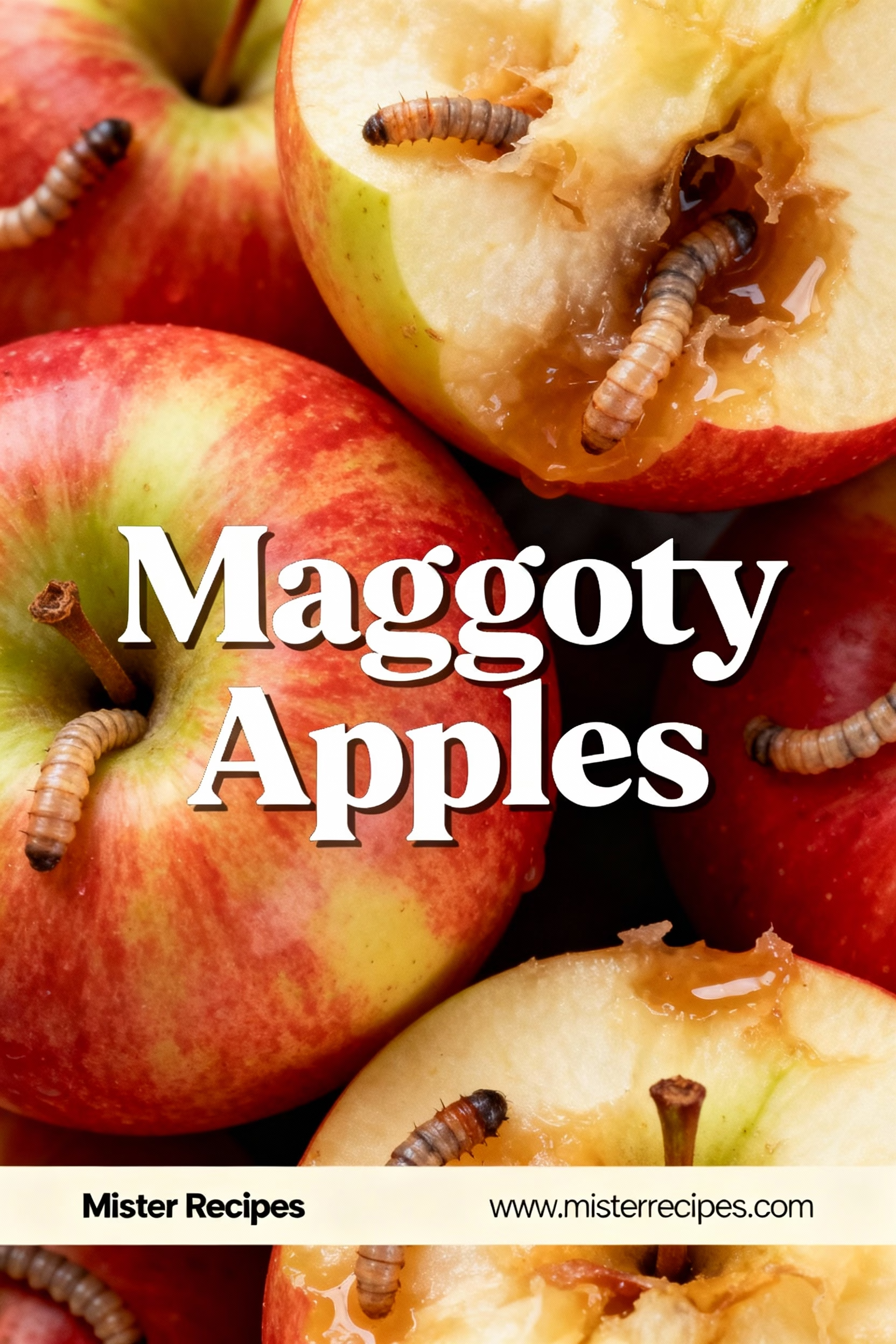
- Understand Your Adversaries (Early Spring): Learn about apple maggot flies and codling moths, their life cycles, and when they emerge to plan your prevention strategy.
- Sanitation is Key (Year-Round): In fall and winter, rake up and dispose of fallen apples, especially those showing signs of worms. In spring and summer, promptly pick up and destroy any windfalls or visibly maggoty apples to disrupt the pest life cycle.
- Monitor with Traps (Late Spring to Early Summer): Hang red sphere traps or yellow sticky traps in your apple trees in late May to early June. Place them strategically, about eye-level, on the sunny side of the tree. Check them frequently. Pheromone traps for codling moths can be hung around bloom time.
- Consider Physical Barriers (Early Fruit Development): As fruit sets and reaches about 1 inch in diameter, individually bag apples using small paper bags or specialized fruit protection bags. For younger trees, cover the entire tree with fine insect netting once the fruit has set, securing it around the trunk.
- Utilize Organic Sprays (Targeted & Timely): If monitoring shows high pest pressure, apply kaolin clay to cover apples and leaves once they reach pea-size, forming a deterrent barrier. Reapply after heavy rains. Use horticultural oil like neem oil before bud break or during the growing season as a repellent and to disrupt pest feeding.
- Beneficial Insects (Year-Round): Encourage natural predators by planting diverse flowers and herbs around your orchard to attract beneficial insects like parasitic wasps, lacewings, and predatory mites.
- Proper Pruning & Tree Health (Dormant Season & Growing Season): During late winter or early spring, prune trees for good air circulation and sunlight penetration. Remove dead or diseased branches. Ensure your apple tree receives adequate water, especially during dry spells, and appropriate nutrition.
Notes
This guide emphasizes Integrated Pest Management (IPM) for maggoty apples, combining cultural practices, monitoring, and targeted treatments. Consistency and timing are key for effective organic prevention. Consider "trap and trick" methods with decoy trees and trunk banding for codling moths as additional strategies.
Tried this recipe?Let us know how it was!
